Public Domain 2022: Join Us 20 January for a Celebration of Sound
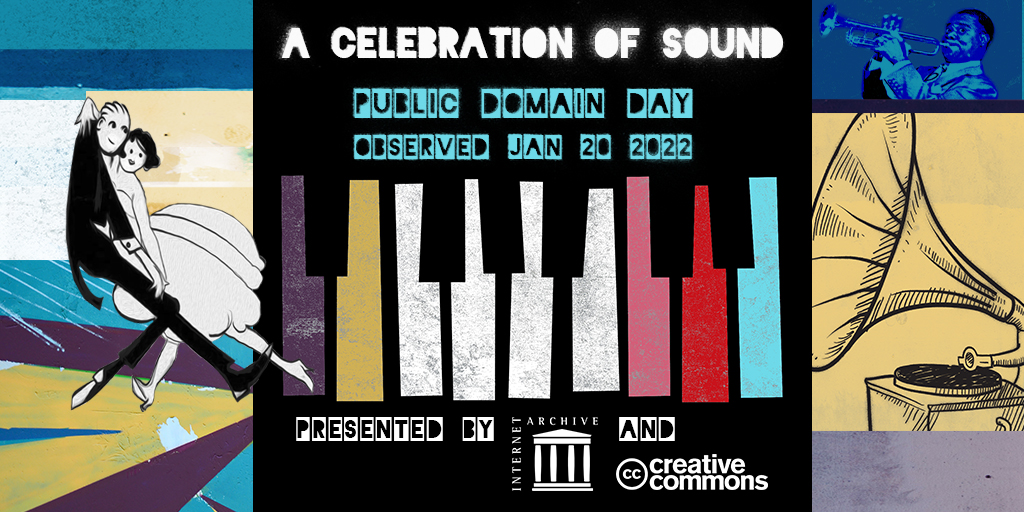
Every year, on 1 January, advocates of free and open content celebrate the works of art that have entered the public domain around the world. Why New Year’s Day? Copyrighted works such as books, artworks or music are only protected for a certain number of years, and this protection ends on 1 January.
On 20 January 2022, Creative Commons, the Internet Archive, and various other Open Movement leaders will honor the amazing works published in 1926 that will enter the public domain for the first time.
Next year’s public domain celebration will be one for the history books, as approximately 400,000 sound recordings from the pre-1923 era will join the public domain for the first time in our history due to the recently enacted Music Modernization Act in the United States. That’s why this year, our theme is a Celebration of Sound.
Virtual Celebration
Join us for a virtual party on 20 January 2022 at 1pm PT/4pm ET/9pm UTC with a keynote from Senator Ron Wyden, champion of the Music Modernization Act, and a host of musical acts, dancers, historians, librarians, academics, activists and other leaders from the Open world! This event will explore the rich historical context of recorded sound from its earliest days, including early jazz and blues, classical, and spoken word recordings reflecting important political and social issues of the era.
Additional sponsoring organizations include: Library Futures, SPARC, Authors Alliance, the Bioheritage Diversity Library, Public Knowledge, ARSC, the Duke Center for the Study of the Public Domain, and the Music Library Association.
Register for the virtual event here!
In-person Celebration
The Internet Archive will also host an in-person Dance Party on Thursday, January 20, 2022 at 6pm at 300 Funston Ave in San Francisco. There you can mingle with like-minded public-domain enthusiasts while sipping a Gin Rickey, a Hanky Panky or a Singapore Sling. Dine on shrimp cocktail, cucumber sandwiches or Waldorf salad. There will be dance instructors to help you learn the 1920’s dance sensation – the Charleston. Period costumes encouraged. Let’s kick up our heels for the Public Domain!
Register for the live, in-person Internet Archive event in San Francisco here.
Principles for License Enforcement Published
The principles for license enforcement are now published. The consultation period has ended, and we’re grateful to everyone who contributed their many thoughtful comments!
These principles will be useful for:
- Platforms that host CC-licensed materials and want to incorporate them into site policy to guide user expectations
- Creators who want to enforce rights under a CC license, but aren’t sure how to do it without being overly aggressive
- Reusers who want to know whether a copyright enforcer might be trolling
- Lawyers or other professionals who want to give informed advice to creators and users of CC licensed works about enforcement of rights
Although the draft comment period is over, you can always continue to suggest improvements or ask questions in our community channels.
This is just one part of CC’s resources for addressing license enforcement issues, and we look forward to sharing more of them over the coming year.
UNESCO Recommendation on Open Science Ratified
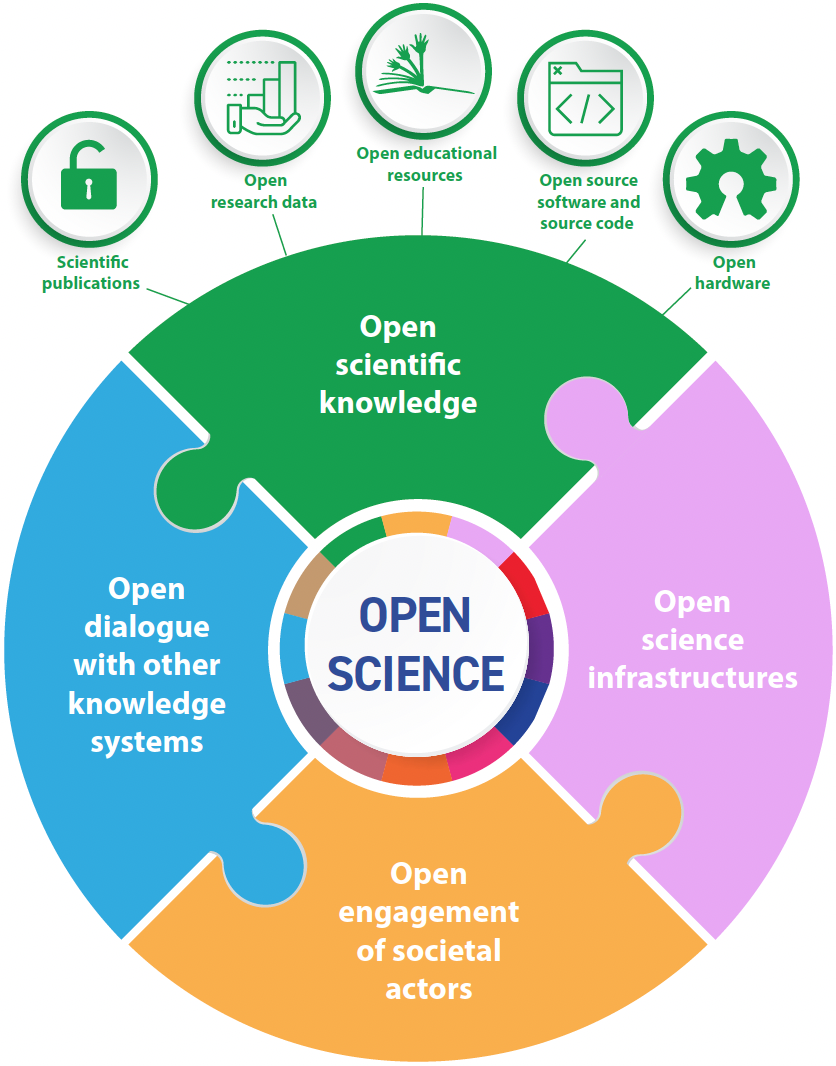
Graphic on page 11. UNESCO Recommendation on Open Science. CC BY IGO 3.0
Creative Commons (CC) applauds the unanimous ratification of the UNESCO Recommendation on Open Science at UNESCO’s 41st General Conference. This landmark document is a major step forward towards creating a world in which better sharing of science is open and inclusive by design.
CC is honored to have been part of the global community that drafted, reviewed and revised the Recommendation. We firmly believe open access to knowledge is a necessary, though not sufficient, condition to solving big, complex problems. Better sharing of scientific articles, data and science educational resources is a necessary condition to make progress on solving the UN Sustainable Development Goals, the global grand challenges we face today.
As the COVID pandemic and climate change have exemplified, there is an urgent need to accelerate change in how we produce, share, and communicate scientific knowledge. The UNESCO Recommendations on Open Science and Open Educational Resources are international frameworks that can guide national governments, funders, educational institutions, scientists, educators, and civil society organizations as we work to create a world in which open access to knowledge is a basic human right.
The Recommendation sets an international standard for the definition of open science and associated policies and practices to drive better sharing throughout the global science community. It details seven broad areas for action:
- Promoting a common understanding of open science and its benefits and challenges, as well as diverse paths to open science
- Developing and enabling a policy environment for open science
- Investing in open science infrastructures and services
- Investing in human resources, training, education, digital literacy and capacity building
- Fostering a culture of open science and aligning incentives
- Promoting innovative approaches for open science across the scientific process
- Promoting cooperation in the context of open science to reduce digital, technological and knowledge gaps
For details on the multi-stakeholder consultations, the open science advisory committee, and the UNESCO global open science partnership, please visit the Recommendation on Open Science website.
Of course, adopting the Recommendation for Open Science is just the first step. The real work is in the implementation of the actions. Broad implementation success will require governments to: prioritize this work, partner with international NGOs and other stakeholders working in open science, and work with and learn from other governments. Creative Commons stands ready to partner with national governments, UNESCO, NGOs, and the global research community to implement the actions detailed in this Recommendation to build a brighter future for everyone, everywhere.
Eight open GLAM case studies selected: discover the successful projects and their leaders!
In October 2021, Creative Commons launched a call for case studies on open access in cultural institutions, such as galleries, libraries, archives and museums (GLAMs), from low-capacity, non-Western institutions, or representing marginalized, underrepresented communities from various regions.
The aim of the open call was to help generate a more global, inclusive, and equitable picture and understanding of open GLAM, highlighting the needs and expectations of a variety of communities and institutions from diverse regions and backgrounds. We hope the outcomes will provide some insights to guide the development of avenues of engagement with the global open GLAM community.
We received many excellent submissions, and we thank the Creative Commons Open GLAM Platform members for their interest and efforts in responding to our call. An evaluation committee was tasked with selecting the applications.
Without further ado, meet our successful applicants and read about their upcoming case studies!
Case 1: Common voices: contributing oral histories to the open knowledge ecosystem in Brazil
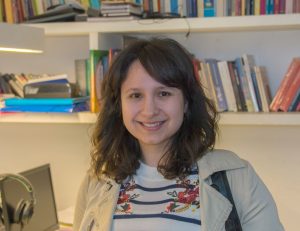
Érica Azzellini is the Communications Manager of the User Group Wiki Movimento Brasil. Graduated in Journalism at Faculdade Cásper Líbero, she is a former researcher of the Scientific Journalism program at the Research, Innovation and Dissemination Center for the Neuromathematics at the University of São Paulo.
João Alexandre Peschanski is a Professor of Journalism at Faculdade Cásper Líbero, in São Paulo, Brazil. He holds a PhD in Sociology from the University of Wisconsin-Madison. He is currently the executive director of the User Group Wiki Movimento Brasil and is a board member of the User Group Wikipedia & Education.
In Brazil, Museu da Pessoa is a virtual museum that gathers and disseminates oral histories. Anyone can participate, and contributions are based on crowdsourced methodologies. The museum was created in 1991 and, since 2021, partners with the Wikimedia affiliate Wiki Movimento Brasil to share around 12,000 oral histories to Wikimedia projects. The case study will present this unique GLAM, a collection of lives, and the importance and methodological challenges to bringing oral histories to the open knowledge ecosystem, including challenges related to content licensing.
Case 2: Open Access practices: Limitations and opportunities in Public Libraries in Nigeria
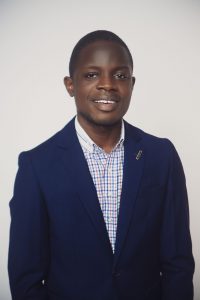
Isaac Oloruntimilehin, Isaac Oloruntimilehin, CC BY 4.0 International.
Isaac Oloruntimilehin is a member of the Wikimedia movement in Nigeria and co-founder of Free Knowledge Africa. He previously led the Wikimedia Club at the University of Ilorin. Isaac is also a member of the Creative Commons Global Network, Europeana Network Association, and actively contributes to open source projects. He is an alumnus of the Millennium Fellowship (2019 class) and a Local Pathways Fellow (2020 cohort) at the United Nations SDSN Youth. He is an environmentalist and an advocate of the SDGs.
This case study will highlight the current open access practices in public libraries in various locations in Nigeria. It will examine the opportunities that currently exist, potential areas of benefits, and the limitations in terms of resources, legal instruments, technical skills and facilities.
Case 3: Campaigns to digitize Treasures in the Tiny Home of the First Printing Press in Asia
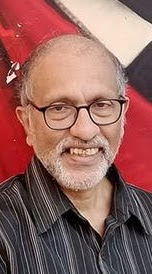
Frederick Noronha, Frederick Noronha, CC BY-SA 4.0 International.
Frederick Noronha, PhD, has been a journalist, alternative book publisher, and photography enthusiast for his working life. He was born in Cubatão, SP, Brazil, to Indian migrant parents, and lives in Goa, on the west coast of South Asia. Over the past two decades, he has been closely tracking, involved with, and writing about India’s Free Software, Open Source, Wikipedia, and Open Access campaigns. He is a strong votary for sharing information, knowledge, and software in a way that makes a difference in the lives of millions. He co-founded BytesForAll, which has focused on the use of ICT and the Internet for the benefit of the deprived, particularly in South Asia. In addition, he is deeply involved in building cybernetworks in his home region of Goa, India’s tiniest state, but among the most active by way of cyber initiatives. His PhD was completed in January 2021, after a lifetime in journalism-publishing, focusing on publishing, and was undertaken through Goa University.
Goa was the home to the first Gutenberg printing press in the whole of Asia, way back in 1556. Once the center of knowledge exchange between Asia and Europe has rich archives and copyright-expired resources (in various languages, some relatively inaccessible now). This study will look at initiatives at digitization and sharing such resources, how much has been digitized, factors that might have blocked the same, and suggestions that could make a difference.
Photo: Frederick Noronha, Frederick Noronha, CC BY-SA 4.0 International
Case 4: Better together! Malopolska Virtual Museums – a regional hub for access to local heritage and best Open GLAM practices
Marta is an animator of educational projects on the Web and an independent OpenGLAM specialist. She coordinates projects based on open content, working with museum staff and visitors. In 2014-2019, as the coordinator of GLAM-Wiki at Wikimedia Polska, she helped the National Museum in Warsaw, National Archives, and the National Library of Poland share their collections with Wikipedia, and ran projects such as Carpathian Ethnography, the Faras Wikiproject and the Digital Museum (Muzeum Cyfrowe 2016) conference. She edited the Open Cultural Projects guidebook and is the author of School Navigator (nawigatorszkolny.net) – a teachers’ roadmap to reusing digital content from Polish museums, archives and libraries (Ministry of Culture and National Heritage of Poland grant, 2000).
The case study discusses the plan, development and results of the Małopolska Virtual Museums project – an innovative digitization effort based on establishing a hub for best Open GLAM practices in cooperation with 48 regional institutions from Małopolska, many of them small, under-resourced local museums. The case study will analyze the initial assumptions, openness strategy and working method, and then examine the project results in terms of usability of all the new digital content for learning and further innovation for local and global users and audiences.
Case 5: Inside the Badagry slave heritage museum in Nigeria
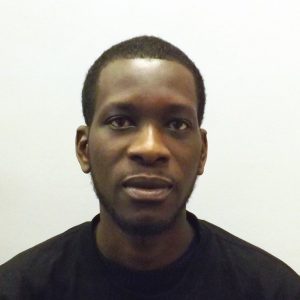
Charles Ikem, Charles, Ikem, CC BY-NC 4.0 International.
Charles Ikem is the co-founder of PolicyLab Africa based in Lagos, Nigeria. Charles is an open access and open data advocate. His focus is on supporting breakthrough research and policy at the nexus of technology, open policy, and humanity, and leading high-impact change projects in Africa.
This case study project will document the history and foundations of the Badagry Slave Heritage Museum in Nigeria, with the artifacts as the subject. Using photo documentaries to showcase historical artifacts and oral narrations by the elders of the Badagry community to produce a substantial body of work to support the case study.
Case 6: The State of Open Access in Chilean Museums in 2021
Patricia Díaz Rubio is a Chilean social communicator (Universidad de Chile) passionate about collective work and social impact. Since 2018, she has been working at Wikimedia Chile, promoting local and open content on the Internet. She has a cultural heritage diploma (USACH) and a Master’s degree in Development Studies (Université Panthéon Sorbonne). She is interested in emerging new narratives within digital environments, and in promoting dissemination policies and open access to culture, collective memory, and cultural heritage.
According to the Survey of GLAM open access policy and practice (McCarthy & Wallace, 2018), only two museums in Chile develop some open-access policies or practices: the Memory and Human Rights Museum and the National Natural History Museum. Which is the current situation of “open” within Chilean museums in 2021? Has it changed or improved somehow? Or, more specifically: Which is the situation of public Chilean museums’ digital collections? Which are the licenses that they use to display their collections online? And mostly: Which are the limitations they put on their digital collections and copies? This case study will present the current status of these institutions, in particular public ones, and their online collections, and how they are used (or not) to promote and diffuse their contents.
Case 7: Open Access Cultural Heritage Outlook in Pakistan: Case Study on GLAMs in Karachi
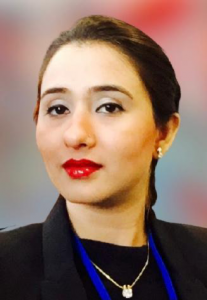
Amber Osman, CC-BY-SA 4.0 International.
Amber Osman is a passionate expert in open science and a research enthusiast. Over the last decade, Amber has been actively involved in different international academic, research & publishing organizations, and with the Higher Education Commission (Govt. of Pakistan). She has been an award-winning journal editor for advancing the publishing process by adopting innovative research and publishing solutions. Amber advocates for best practices in open access scholarly content and has positively conducted & contributed to workshops, talks, training sessions globally while writing on the given matters in articles. She has two masters, one in Philosophy and one in Marketing.
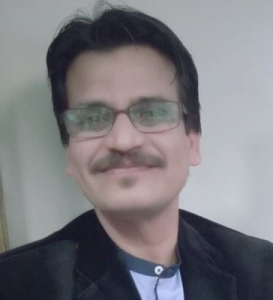
Dr Muhammad Imtiaz Subhani, CC-BY-SA 4.0 International.
Dr Muhammad Imtiaz Subhani (Thomson Reuters Award-Winning Editor, (2015)) is a Doctor of Philosophy in Financial Econometrics. He is currently Dean of Business School at ILMA University, Pakistan, and contributes as an Education committee member at Society for Scholarly Publishing, USA, member of Creative Commons Global Network, and scientific publishing consultant at Higher Education Commission, Govt. of Pakistan. He is also an Editor at PLOSONE.
To identify different aspects of GLAM in Karachi, the study will look at Pakistan’s organizations/institutions and see how they provide access to cultural heritage content. We will target universities/institutions/ rendering different teaching perspectives on ancient history, culture preservation, the country’s historical tools & ranges; whether they know about the CC GLAM movement to enrich & collaborate at a global level, which helps highlight and restore the country’s historical/cultural values.
Case 8: Spreading Creative Commons’ Open GLAM message in Brazil
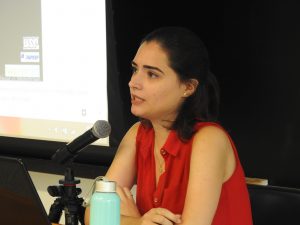
Giovanna Fontenelle is a Journalist, Historian, Wikimedian, and Master’s student in Social History at the University of São Paulo. She works as a Program Officer, GLAM and Culture, at the Wikimedia Foundation. She’s also a member of Creative Commons Brasil (CCBR), Creative Commons Global Network, Wiki Movimento Brasil User Group, and ICOM Brazil. At CCBR, she coordinates the areas of Open GLAM and Wikimedia. Her current work activities are related to GLAM-Wiki, Open GLAM, linked open data, in addition to carrying out projects on diversity and knowledge equity.
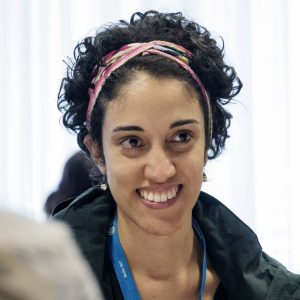
Juliana Monteiro holds a bachelor’s degree in Museology and a Master’s degree in Information Science. She has been working in the collection management area for 14 years. She worked as a museologist at the São Paulo Energy Museum (2007-2008); as coordination assistant of the Museum Heritage Preservation Unit of the State Secretariat for Culture (2008-2015), where she coordinated the Museum Collection Policy Committee. Later, she was the manager of the Preservation Center of the São Paulo Immigration Museum (2015-2016). She is also a member of COMCOL-ICOM and of the advisory board of ICOM Brazil. She has been a professor of museology at ETEC Parque da Juventude since 2010, giving classes on documentation and databases for museums. She is the representative of the Creative Commons Brazilian chapter in the Global Council Network. She has also worked in the articulation between Wikimedia projects and cultural institutions, as a member of the Wiki Educação Brasil Group. She has been a regional ambassador for countries in the Portuguese-speaking community of the Art+Feminism international campaign since 2019.
GLAMs have become more interested in sharing their collections online using open licenses, due to the COVID-19 pandemic and the inability to access the physical space of cultural institutions. However, in places such as the Global South, this interest and some punctual actions were not necessarily accompanied by actual long-term open initiatives, on account of the difficulty in sharing the open GLAM ideals with institutions, especially considering the lack of resources by and for institutions in these regions. This case study aims to present Creative Commons Brasil’s work and workflow, providing guidance for Brazilian GLAMs during 2020 and 2021, to not only present the group’s work, but also to share the workflows of this process with other Creative Commons chapters and advocates, to help and inspire them to overcome barriers in the process of sharing and advocating for Open GLAM. It is an opportunity to discuss the cultural heritage situation in Global South places like Brazil and Latin America. And finally, it aims to engage more Brazilian GLAMs to know and understand Creative Commons, the licenses, open GLAM, and how to open their collections in such under-resourced regions.
As one of the program’s key components, community engagement aims to foster community-driven initiatives and underline community members’ efforts to provide better access to cultural heritage materials.
We are delighted to showcase regional and national open GLAM initiatives and encourage sharing feedback from open experiences within cultural heritage institutions.
The case studies will be published under CC BY licenses in early 2022 on our Medium account, and shared on our various communication channels.
Have you found these projects interesting? Are you curious to know more? Join the Creative Commons Open GLAM Platform by filling out our membership form and subscribe to our Open GLAM mailing list!
In Response to NFT Debate
On Wednesday, November 24, Creative Commons (CC) shared an article on our social media channels from Cuseum titled How 21 Museums & Cultural Organization Engaged with NFTS in 2021.
At CC, we pride ourselves on raising issues thoughtfully and often share articles on our platforms about the digital space where we work. Many times CC staff will expand on these topics through our blog, to provide a perspective that reflects CC’s experiences around our work to support, steward and provide legal and technical assistance for the maximization of digital creativity, innovation and sharing. It is our hope that this open space of conversation will generate different viewpoints and promote civil debate.
So it came as a surprise that yesterday a blog post shared about our nascent thoughts on NFTs dating back to May 2021 could lead to such a personal attack on myself, our Board and the CC team. We encourage healthy debate and welcome feedback but will not tolerate unfair and inaccurate attacks.
CC has been researching and having conversations with others about NFTs, as referenced in the blog post from May 2021. We continued the dialogue during the CC Global Summit in September 2021 including sessions from stakeholders with different perspectives about NFTs.
For the record I hold no crypto currency or own any NFTs – my interest is looking into how NFTs relate to our licenses and our mission. From discussions so far, many artists and creators are benefiting from being fairly and justly compensated, whilst others have broader concerns about NFTs, which is why there should be a debate. In such a nascent space and as with any new technology, there are differing views and it is important that debate and discussion can be conducted respectfully. Sadly this was not always the case during the recent exchange online.
CC will continue to thoughtfully explore emerging and controversial issues affecting our licenses, our community and our belief in the value of open sharing. We will continue to share our views and ideas in this space and encourage civil debate both online and offline. Guided by our value of informed intention as stated in our strategy, we will continue to “take care with the work that we do, and … act with integrity, accountability, insight and humility.”
CC Community Spotlight Series: Angela Oduor Lungati, Achal Prabhala and Cecília Olliveira
Giving Tuesday is only a week away! We hope you’ll join us next Tuesday, 30 November in celebrating our Better Sharing, Brighter Future campaign.
We’re trying to raise $100,000 before the end of this year. The good news is every donation up to $30,000 will be matched. Help us reach our goal and double your impact to ensure everyone, everywhere, has access to resources, knowledge, and creativity.
In the weeks leading up to Giving Tuesday, we’ve highlighted the work of The Modern Art Notes Podcast host Tyler Green and Fine Acts co-founders Yana Buhrer Tavanier and Pavel Kounchev, all Open Access advocates who highlight the importance of visual art in both understanding the past and shaping a better, brighter future.
This week, we close out our Community Spotlight series, featuring three of this year’s CC Global Summit keynotes: Angela Oduor Lungati, Achal Prabhala, and Cecília Olliveira.
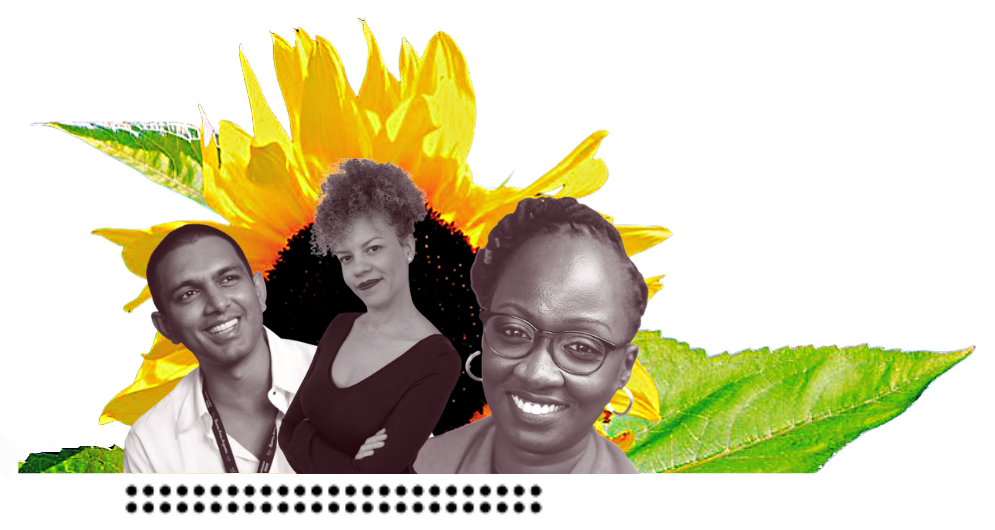
Angela Oduor Lungati is a CC Board Member and Executive Director at Ushahidi, a Kenya-based non-profit that empowers communities to advance social change via Open Source technology solutions.
Achal Prabhala is a Shuttleworth Fellow and Coordinator at AccessIBSA, a tri-continental project to expand access to life-saving medicines and vaccines, specifically in India, Brasil, and South Africa.
Cecília Olliveira is also Shuttleworth Fellow and Executive Director of Fogo Cruzado, a community-driven digital platform that collects and cross-checks real-time data on armed violence with the goal of reducing gun crime in Recife and Rio de Janeiro, Brasil.
Angela, Achal, and Cecília are Open Movement trailblazers who believe that freed up access to technology, research, and data is essential to social change, and urge that more of us open up our resources, find our voice, and push for solutions. Cecília Olliveira elaborates:
“…if you have no information…you have no tools to pressure for solutions. This is why I was pursuing information. And…that’s also why I believe that openness is the key, because I cannot be the only one pressured for solutions. We need more people pressuring, because when you have more voices, you can pressure better and claim for solutions that really can help…”
We hope you’ve enjoyed our Community Spotlight series. Angela, Achal, and Cecília are paving the way for 20 more years of advocacy and innovation in the Open Movement. You can learn more about their work by tuning into our Open Minds Podcast.
Next week, we’ll celebrate #GivingTuesday, and invite you to consider making a donation to our Better Sharing, Brighter Future campaign. However, we know not everyone is able or willing to give, so please see below for all the ways you can get involved.
Donate
Make a donation to CC’s 20th Anniversary Campaign. Visit our Donor FAQ for information on all the ways to contribute.
Share
Share why you support the open movement or how CC has impacted your work on social media, with the hashtags #CCTurns20 and/or #BetterSharing and tagging @creativecommons.
Listen
Check out our Creative Commons’ Open Minds Podcast and share with your friends.
Follow
Follow CC on Twitter, Facebook, Instagram, and LinkedIn.
Introducing the Better Internet Series
This year at CC Global Summit, we hosted workshops focused on the notion of a better version of the internet. For the workshops, we prepared in smaller groups, identified common areas of interest and concern, and gathered a global group of voices to dig into the issues. In this blog post, we introduce the Better Internet series, which we will use to share the findings of the workshops we hosted at the CC Global Summit, explore the perspectives communicated by those who participated, and share what we are working on with partners to drive these conversations forward and take action.
Throughout 2021, community partners interested in building what was loosely being called a “better internet” have been coming together for conversations. Some partners joined as an opportunity to mark the 10th anniversary of the US-based fight to defeat the legislation known as SOPA/PIPA.
Anniversaries are often an opportune time to not only look back, but to also look forward to the future. In fact, many anniversaries are being celebrated in the open movement this year. Twenty years ago, Creative Commons (CC), Wikimedia, Public Knowledge, and MIT OpenCourseWare were founded. Ever ahead of the curve, the Internet Archive celebrated 25 years. Collectively, we’ve all been looking back – and looking forward – and talking about how, as forces with shared values, we can help keep the internet open, accessible, and safe for the future.
The conversations range from light and reflective to deep and contemplative. Some have been asynchronous. Some become a snowball that starts rolling down the hill into reflections about better days, and past collaborations about an open internet. Before major platforms. Before social media. Before clickbait, misinformation, and fake news. There is a desire among this group to build an improved version of the internet for those who live there now, and protect its best features for the future generations to come.
Today, we are imagining a multi-stakeholder public interest technology alliance, working together to shape a vision for a Better Internet. Let’s protect the good and define a positive, affirmative view of how we can solve and transform the challenges we face.
At this year’s CC Global Summit, we hosted two workshops focused on this notion of a better version of the internet. This fully supports our vision to advance Better Sharing, outlined in our current organizational strategy. For the Summit workshops, we prepared in smaller groups, identified common areas of interest and concern, and gathered together a global group of voices to dig into the issues.
Our focus was on:
- Misinformation and Disinformation
- Access to Information and Knowledge
- Platformization and Choice
- Internet Architecture and Open Standards
- Last Mile Access
Today, we are imagining a multi-stakeholder public interest technology alliance, working together to shape a vision for a Better Internet. Let’s protect the good and define a positive, affirmative view of how we can solve and transform the challenges we face.
We also called for folks to explore what the concept of Positive Internet Citizenship might mean for this movement, and the critical role of Diversity, Equity, and Inclusion in all of the work that we want to carry forward.
In some ways, these are distinct topics, each with their own set of existing actors, policy environments, and agendas. In other ways, they’re slices from the same apple. Considerations for fighting misinformation can tie back to provenance of content, which can be strengthened by greater access to information. Open standards and interoperability would decrease the power of platformization to keep folks locked into separate walled gardens. Every issue must be grounded in the importance of protecting fundamental human rights online and empowering those who are marginalized. The absolute prerequisite to any of this is folks actually being online. We cannot ignore last mile access as a key matter of equity and access.
It turns out a lot of folks have been thinking along these same lines, as the desire to steer our way towards a better digital experience takes hold at all levels. Our work will be to effectively work together and find common ground.
In the United States, President Biden’s Summit for Democracy is publicly about protecting democracy and advancing human rights, but on the fringe there is a plan emerging to form a new alliance – The Alliance for the Future of the Internet. As Politico reported earlier in November, civil society groups appear jarringly absent from the alleged multi-stakeholder effort. In addition, critics may also point to the fact that instead of building something new, perhaps building on something existing, like the Freedom Online Coalition, would be a more useful investment. It remains to be seen how this will all play out.
Earlier this month, the Knight Foundation hosted a digital event, Lessons from the First Internet Ages, which brought together activists, academics, civil servants, and everything in between, to reflect on the last 30 days, and posit how things might have been done, and perhaps should be done differently. Members of the open movement contributed their voices, from Creative Commons board member Alexander Macgillivray, to Internet Archive founder Brewster Kahle, to creator and tech activist Cory Doctorow, and many more luminaries.
The signals from government and civil society that we need to build a better internet may in part be getting stronger due to the digital policy environment globally. In the EU, a number of challenges have been identified with the transposition of Article 17 of the CDSM Directive. There is potential for openly licensed and public domain content, along with other content being used legitimately, to be over-filtered or taken down, which would be a massive blow to those who work towards free and open access to knowledge and information. Concurrently, the Digital Services Act that is being debated has the potential to overregulate and impact freedom of expression. We want to see a balance between online safety and individual empowerment being preserved, as the #OffOn campaign is fighting for.
As Creative Commons coordinates with other organizations to continue these conversations around a Better Internet, and give shape to a movement, the very underpinnings include using our existing collective power of convening to impact change. Call it an alliance. Call it a coalition. Call it a movement. Call it a multi-stakeholder effort. At the end of the day, this is about folks working on different but complementary issues, coming together across local, regional, and national divides to give shape to our own civil society agenda, to fulfill the promise of the Internet, and to build something that works for the people and serves the public interest. In the coming weeks, we will be sharing some of the findings from the workshops we hosted at the CC Global Summit, exploring the perspectives communicated by those who took part, and sharing what we’re working on with fellow believers to continue moving the conversation forward. Watch this space and help us expand the values on which we can build a Better Internet.
Creative Commons welcomes EC recommendation on common European data space for cultural heritage
A few days ago, the European Commission (EC) released a recommendation for a common data space for cultural heritage, which aims to “accelerate the digitization of all cultural heritage monuments and sites, objects and artefacts for future generations, to protect and preserve those at risk, and boost their reuse in domains such as education, sustainable tourism and cultural creative sectors.” Europeana, the European digital cultural platform, will serve as the basis for building this common data space. It will allow museums, galleries, libraries, and archives across Europe to share and reuse the digitized cultural heritage images, such as 3D models of historical sites and high quality scans of paintings, on the Europeana platform.
The recommendation encourages Member States to digitize by 2030 all monuments and sites that are at risk of degradation, and half of those highly frequented by tourists. Thierry Breton, Commissioner for Internal Market, said: “We owe the preservation of our European cultural heritage to future generations. This requires building and deploying our own technological capabilities, empowering people and businesses to enjoy and make the most of this heritage. We must take advantage of the opportunities brought by artificial intelligence, data, and extended reality.” This last point was reinforced by the EC on Twitter: “3D, artificial intelligence or virtual reality can accelerate the digital transformation of the cultural sector.”
Creative Commons (CC) is eager to explore the recommendation and its potential to catalyze “open GLAM,” the set of ideals, principles and values promoting preservation, open access, sharing and reuse of cultural heritage around the world, in line with our organization’s value of global inclusivity and commitment to better sharing. As part of our Open GLAM Program, we strive to help create a regulatory environment that supports creativity, collaboration, and the sharing of creative works and cultural heritage, upholds user rights and enables a rich, robust and thriving public domain. The recommendation appears to be a step in the right direction.
The recommendation succeeds the 2011 Recommendation on the digitization and online accessibility of cultural material and digital preservation, which underwent review last year. Creative Commons had submitted comments to the consultation on the opportunities offered by digital technologies to the cultural heritage sector. We are thrilled to see many of our comments have found an echo in the new recommendation. Here’s a summary of what we pushed for:
Our Open GLAM Program comes within the scope of our strategy for 2021-2025, whose central theme is better sharing, i.e. sharing that is contextual, ethical, inclusive, sustainable, purposeful and prosocial. We look forward to following the development and implementation of the recommendation, and will endeavor to put our tools for accessing, using, and resharing cultural heritage in the hands of all to build a brighter future for everyone, everywhere.
Cultural heritage must be preserved, accessed, shared, reused and celebrated throughout the world. At Creative Commons, we’re proud to support the cultural heritage sector through our Open GLAM Program. Interested in learning more? Join the Creative Commons Open GLAM Platform, subscribe to our mailing list or get in touch info@creativecommons.org!
CC Certificate Alumnus, Mostafa Azad Kamal on his work with open education policies and practice
The Creative Commons Certificate program provides unique training courses for educators, academic librarians and the GLAM community (galleries, libraries, archives and museums). Certificate courses are an investment in open movements, training people on copyright, open licensing, and the ethos of working with our global, shared commons using CC licenses.
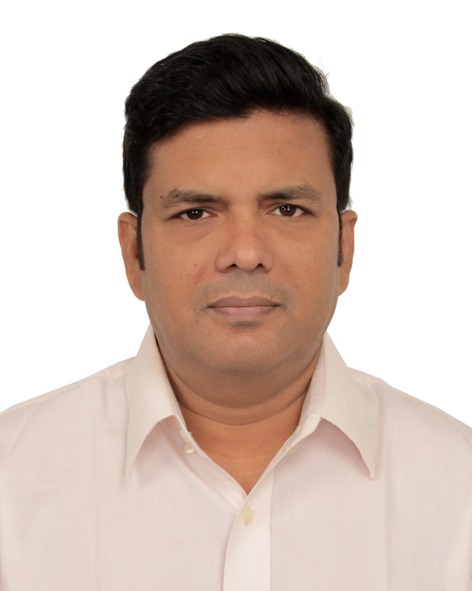
Portrait, Mostafa Azad Kamal, CC BY 4.0
After launching in 2018, and certifying approximately 1000 graduates from 56 countries, Creative Commons (CC) is taking stock of the incredible community of Certificate participants and alumni. We are particularly interested in learning about local “case studies” of open licensing in local country contexts, and asking alumni about their experiences. CC Certificate alumni have used the Certificate courses in a number of ways—read about alumni testimonials here, and an in-depth adaptation one alumnus made of course content here. In this interview, we highlight one Certificate graduate’s work in Bangladesh, and celebrate the momentum he’s built in open education.
This interview is with Mostafa Azad Kamal. Mostafa is the Dean of Business Faculty at Open University in Bangladesh. He mentors people for the Open Education for a Better World project (OE4BW); was a reviewer for UNESCO OER* Recommendation; and helped draft a National OER Policy for Bangladesh. Mostafa serves as a CC Global Network Chapter Lead for Bangladesh.*
Mostafa is also designing and updating the curriculum for the OU bachelor of business program in Bangladesh, moving to OER materials where possible. He and colleagues have developed almost 40 business modules using OER for students.
An Interview With Mostafa Azad Kamal at Open University Bangladesh, Dean of Business Faculty
CC: Thank you for joining us today. We understand you have a pretty unique role, working at the intersection of open education policy and practice. As Dean of Business Faculty at Open University in Bangladesh, you understand how OER serves the needs of students in your classes, and you’ve given numerous talks about the importance of OER; but, you also were a reviewer for the UNESCO OER Recommendation (passed in November 2019), you developed an open OER repository for Bangladesh in 2013, and now, you helped draft the National OER Policy that the Ministry of Education is considering. Tell us about this policy and what it took to draft it.
Mostafa: My journey with the open movement started in 2012. With the help of the Commonwealth of Learning’s (COL) open schooling initiatives (led by Ms. Frances Ferriera), I planned to develop an OER Policy for Bangladesh Open University (BOU). As I believed that Open Policy would create a commitment of the authority of BOU, my colleague Dr. Sadia Afroze Sultana and I designed a workshop for OER Policy development for BOU. It was exciting that BOU was the first university in Bangladesh to have an OER Policy. Following the policy, BOU developed a repository that contains the books developed for the learners of different BOU programs. Now BOU has 43 formal programs with 600,000 students. BOU OER repository is extensively visited by BOU learners as well as other learners.
I’ve always had a strong intention to create awareness of open education in Bangladesh, so I began looking for an opportunity to draft a policy for the Ministry of Education. I managed to convince Dr. Sanjaya Mishra, Educational Specialist (eLearning) at the Commonwealth of Learning, to provide support for the National OER Policy.
Developing the National OER Registry happened in 3 phases. First, we conducted a nationwide survey among public university students and produced a COL report identifying the strong need for OER among the university students. The study found that the limited access to the books decreased students’ learning achievements and affected their grades.
Based on these findings, we drafted a national policy on OER. This required hosting two national consultation workshops and incorporating feedback on a draft policy before submitting the policy to the Ministry of Education for further approval.
In phase 3, the Ministry of Education started a feedback and vetting process, working with various related agencies, institutions and ministries before finalizing the draft. Now it is waiting for the final approval from the cabinet division of the government.
“The study found that the limited access to the books decreased students’ learning achievements and affected their grades.”
CC: How do you see policy and practice working together? What are some of the challenges open policies face, either in creation or implementation?
Mostafa: Policy is a commitment from the top management as well as the stakeholders. I believe policy is critical for mainstreaming the open culture and practices. Since the open movement is relatively new at educational institutions, an informed policy usually makes the stakeholders aware of the concept and motivates them to use and create OER. Though practicing open education is not necessarily dependent on the open policy, a policy is always helpful for mainstreaming open educational practices at institutions.
Open policies face challenges in various ways.
The mindset of the institution’s leadership is a big obstacle for promoting open policies. Most of the institutions charge money from the students on study packages. So, they do not feel comfortable with open sharing.
Sometimes, authors do not permit institutions to share their resources openly. They are mostly afraid of economic loss, or losing their moral rights.
Teachers are often used to using foreign textbooks for their courses, even if those books are copyrighted and highly expensive. They like to maintain this status quo, as they are so much confused about the quality of open resources. So, they do not encourage open education.
Another challenge is the lack of skills in using OER for teaching and learning.
CC: Now let’s talk about OER in practice. I understand you and colleagues have developed almost 40 business course modules using OER. How is OER helping your MBA students
Mostafa: As the Dean of the Business School, I am now working toward adoption and adaptation of OER for all our courses of MBA, BBA, Commonwealth MBA and PGD programs. The reasons are: 1) textbooks are highly expensive, students buy bootlegs which are violations to copyright; and 2) textbook case studies and examples never reflect the local context for Bangladeshi students.
I got a plan to engage students (MBA and commonwealth MBA) in developing case studies from local contexts. I prefer to give them assignments for developing content based on their local contexts. I strongly believe that the content developed by students helps their engagement, helps them learn more, and makes the material better for future students.
Pedagogically, I never believe that a student can learn from a fixed textbook if he/she is not engaged in their own context. Also, to be future ready, learners must understand how to search for and synthesize relevant resources. A singular, closed textbook limits learners to one source of knowledge, subject to old theories, cases and concepts. So, they end up just memorizing the concepts. Considering the issue of contextualization and the importance of the capacity of surfing the world of knowledge, I strongly believe that there is no better alternative to OER.
CC: You took the CC Certificate in 2018, but you’d already contributed a tremendous amount in the field of open education. Did the CC Certificate help you with any of your open projects?
Mostafa: Certainly. It helps me in five ways. First, I am confident that I got a certificate that speaks to the authenticity of my understanding of open licenses. Secondly, the CC Certificate course enhanced my understanding of open education, copyright issues, open licenses and open policies very much. With clarity on the concepts, I’m better able to teach my colleagues and participants in local workshops. Thirdly, the Certificate offers a very gracious network with the kind and noble open leaders and practitioners worldwide, which allows me to keep myself in the learning process not only in OER, but also in eLearning, learning design and open pedagogies. Fourthly, I am confidently pushing the institutions and government agencies to develop open policies for their benefits and the benefits of the rest of the world as well. Fifthly, I am now helping my colleagues at my university, as well as other universities in Bangladesh and India, find OER and develop OER-based study resources. Recently, I facilitated 3 workshops on OER, where more than 1000 teachers from 20 universities of Bangladesh attended. They came up with 20 institutional OER Policies which are in revision form.
“Though practicing open education is not necessarily dependent on the open policy, a policy is always helpful for mainstreaming open educational practices at institutions.”
CC: That’s terrific! Once the national policy is done, what do you hope to accomplish next?
Mostafa: Once the national policy is approved, I will convince the Ministry to create a fund for promoting open educational practices among all universities. As a first step, I aim to help develop OER policies for the country’s 150 universities, and also conduct the workshops, seminars and summits to make the academics and learners aware of OER.
CC: If there’s one piece of advice you could give people, like educators or administrators, considering conducting open work at their institution, what would it be?
Mostafa: The fundamental truth of education is ‘learning’. To ensure meaningful learning, we must not keep ourselves confined to a few expensive and copyrighted textbooks, which limits learners’ access to resources and their ability to think deeply and critically. Another point is that the copyrighted textbooks from foreign origin are not customizable, which reduces the quality of learning. Therefore, OER can help them reduce the cost of education, enhance the quality of learning, and expand the free and legal access to plainly relevant education resources.
CC: Thanks again for your time with us here.
We celebrate Mostafa’s excellent work, and we want to celebrate more of our CC Certificate alumni’s work, as well as the fantastic work of people in the broader open education community! If you have a story about something you’ve tried or an open project you’ve accomplished at your institution, please let us know (email certificates@creativecommons.org).
—
*Readers note: Open Educational Resources (OER) are teaching, learning, and research materials that are either (a) in the public domain or (b) licensed in a manner that provides everyone with free and perpetual permission to engage in the 5R activities.
Retain – make, own, and control a copy of the resource
Reuse – use your original, revised, or remixed copy of the resource publicly
Revise – edit, adapt, and modify your copy of the resource
Remix – combine your original or revised copy of the resource with other existing material to create something new
Redistribute – share copies of your original, revised, or remixed copy of the resource with others
CC Community Spotlight Series: Meet the co-founders of Fine Acts, Pavel and Yana
In the weeks leading up to #GivingTuesday on November 30th, we’re spotlighting leaders in the Open Movement and encouraging you to support our Better Sharing, Brighter Future campaign.
We’re inching toward our $100,000 goal and hoping you can help us out. The good news is every donation up to $30,000 will be matched. You can transform your $25 donation into a $50 one. ?
Last week, we took a look at the work of historian, critic, author and podcast host Tyler Green, who highlighted how Open Access to art history is critical in strengthening our understanding of the past.
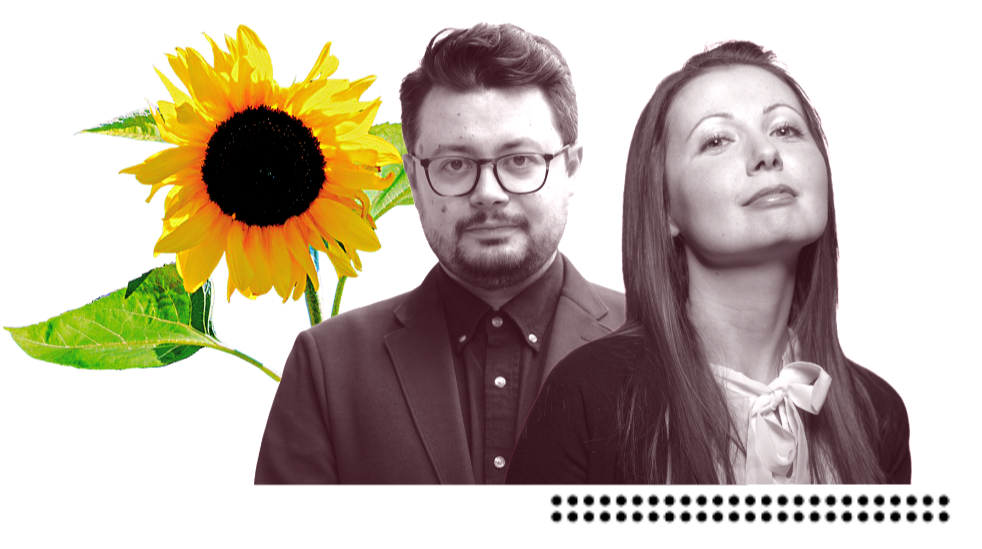 This week, we’re featuring dynamic duo Yana Buhrer Tavanier and Pavel Kounchev, two of three co-founders of Fine Acts, a global creative studio that encourages experimentation and collaboration across disciplines to inspire social change. Yana and Pavel met on Twitter over a decade ago, united in their drive for activism that centers art, experimentation and play.
Fine Acts brings together multidisciplinary teams of artists, activists and technologists to prototype compelling works of art aligned with specific human rights campaigns. They publish all completed works under Creative Commons on TheGreats.co for anyone to use and adapt, especially nonprofits and activists who, they say, often lack easy access to the visual materials needed for an impactful campaign.
“…creating this kind of powerful visual content on social issues does result in raising visibility and engagement. However, it is very difficult for nonprofits to produce it because they very rarely have the resources or the person on their team that could produce these kinds of content. Publishing it under an open license, we do solve such a key problem for many nonprofits or grassroots groups, even individual activists.”
Yana and Pavel hope more nonprofits and individuals will embrace play and experimentation in their work, and recognize art as a central strategy in driving social change.
You can learn more about Yana Buhrer Tavanier and Pavel Kounchev and their organization Fine Acts by tuning into Creative Commons’ Open Minds Podcast.
Join us next week for one final Community Spotlight before #GivingTuesday kicks off on November 30th.
In the meantime, we invite you to join our Better Sharing, Brighter Future campaign. See below for ways to get involved.
Donate
Make a donation to CC’s 20th Anniversary Campaign. Visit our Donor FAQ for information on all the ways to contribute.
Share
Share why you support the open movement or how CC has impacted your work on social media, with the hashtags #CCTurns20 and/or #BetterSharing and tagging @creativecommons.
Listen
Check out our Creative Commons’ Open Minds Podcast and share with your friends.
Follow
Follow CC on Twitter, Facebook, Instagram, and LinkedIn.

.jpg)


_03.jpg)
.jpg)