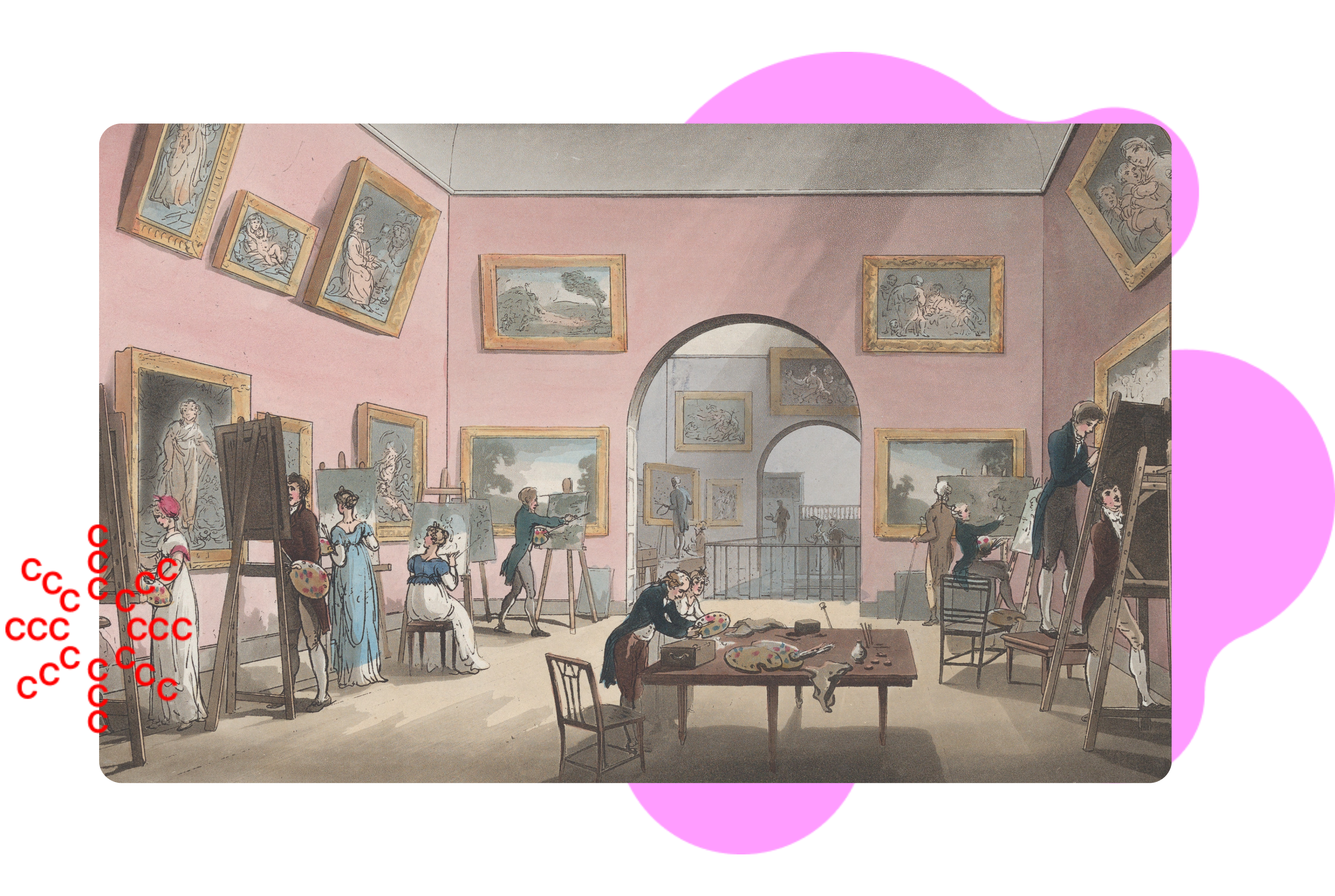
Heritage embodies centuries of documented human experience, from the ways communities have adapted to changing landscapes, to how diverse societies create meaning and form the cultural discourse, all the way to how creativity flourishes by investigating and interrogating the past. Open heritage helps build and sustain vibrant and thriving societies. The world’s cultural heritage holds the power to connect people across time and space, facilitating intercultural dialog, spurring creativity, and contributing to sustainable development.
Yet, in the digital environment, a lot of heritage in the public domain (free of copyright) remains locked behind unfair, unjustified barriers: unfounded copyright claims, prohibitive licensing fees, technological restrictions, or inconsistent reuse possibilities that vary by country and capacity.
Cultural Heritage Institutions (CHIs) like museums, archives, and libraries face immense barriers to digitizing their collections, preserving fragile documents and artifacts, and making them available to the public. These challenges often result in critical pieces of history remaining out of reach for the communities they represent and for global audiences eager to engage with them.
Accessing and enjoying cultural heritage is part of the human right to participate in cultural life recognized in the Universal Declaration of Human Rights, and is essential for fostering peace and mutual understanding. It allows individuals and communities to express their identities, safeguard traditions, and actively participate in cultural life, which are fundamental to human dignity and social cohesion. Without access to cultural heritage, we risk the erosion of cultural diversity, the weakening of dialogue, and the loss of shared narratives that connect us to our past and inspire our future.
At CC, we help CHIs make the digital objects in their collection openly accessible through the use of CC licenses and public domain tools, which prioritize accessibility, shareability, and reusability while taking account of ethical, legal, and cultural considerations.
Our Work
CC Open Culture Program
Thanks to the generosity of Arcadia, since 2021, we’ve led the CC Open Culture Program to help build a thriving ecosystem of open culture among CHIs and their users. We promote the sharing of knowledge and culture, in ways that are contextual, ethical, inclusive, sustainable, purposeful, and prosocial. Guided by CC’s values, the program is divided into four areas.
Policy and Advocacy
We take part in activities to reform policy to enable cultural heritage institutions to fulfill their public-interest missions. This includes continuing to advocate for strong copyright exceptions and limitations; stating the importance of keeping non-original reproductions of public domain works in the public domain; encouraging a purposeful policy discourse celebrating open culture as a positive affirmation of the importance of open access and sharing of cultural materials to the fullest extent possible; and engaging in conversations on the respectful and ethical use of culturally-sensitive materials.
The Open Heritage Coalition (formerly TAROCH), convened by CC, brings together more than 70 organizations from 25 countries that have signed the Statement of Commitment affirming their shared vision for equitable and sustainable access to cultural heritage. Together, the Coalition is driving a global movement to inspire UNESCO to establish a global framework that protects and advances open heritage in the public domain. In 2025, the Coalition launched the Open Heritage Statement (see below how to get involved).
Infrastructure
We play our part as stewards of the CC licenses and tools, in particular, the Public Domain Mark and Public Domain Dedication Tool, and strive to ensure they function properly in the cultural heritage sector. Our Needs Assessment Report on Public Domain Tools in the Cultural Heritage Sector (2023) offers key insights into the unique needs and challenges of the cultural heritage community with regard to our public domain tools.
Capacity building
We support the transformation of CHIs by offering training for practitioners and open heritage advocates who want to engage with open access through the GLAM/Open Culture Certificate, as well as other training and consulting opportunities tailored to their needs. We work with CHIs and other organizations to bring Creative Commons licenses and tools into their infrastructure to manage their heritage materials and make them more widely and equitably available in the digital environment.
Community engagement
We empower and contribute to building the Open Culture community. We host a group of open culture advocates and CHIs practitioners from all over the world as part of our CC Community. Join us on Zulip and receive our newsletter by filling out this intake form.
Resources
Creative Commons has published two key resources to support open culture policy: the Open Culture Policy Guide, which outlines five key actions policymakers can take to enable better sharing, and the Open Culture Policy Paper, which provides an overview of the copyright-related challenges facing cultural heritage institutions and their users. Both are available on our resources page.
Explore all Open Heritage resources>
Get Involved
Sign the Open Heritage Statement
The Open Heritage Statement was developed by the Open Heritage Coalition and is a call to action for the international community to enter into a dialogue towards the adoption of an international standard-setting instrument at UNESCO that would ensure equitable access to public domain heritage in the digital environment. The Statement defines shared values, identifies key challenges, and sets action-oriented priorities for closing the gap in equitable access to heritage. It provides the foundation for international dialogue toward a future UNESCO standard-setting instrument on open heritage.
The Statement encapsulates a shared vision towards global action and respects the diverse legal, cultural, and governance frameworks through which heritage is managed and shared around the world. What it asks for is clarity: a set of common principles that empower cultural heritage institutions to share their collection in fulfillment of their mission, reduce unfair barriers, and ensure that the digital transition in heritage does not deepen inequalities, but supports cultural rights for all.
Today, the Statement has been endorsed by over 80 organizations from 30 countries. Institutions, organizations, and governments are invited to endorse through signature. Visit openheritagestatement.org to sign and join the growing global call for equitable access to heritage.StoryFrames offer case studies that bring the Statement to life.
Join the CC Communities of Practice
Join us on Zulip and receive our newsletter by filling out this intake form.
Questions? Contact us at info@creativecommons.org.
Funder Acknowledgment
Thanks to the generosity of Arcadia Fund for supporting our Open Culture projects.
