As we’ve discussed before, the rise of large artificial intelligence (AI) models has fundamentally disrupted the social contract governing machine use of web content. Today, machines don’t just access the web to make it more searchable or to help unlock new insights; they feed algorithms that fundamentally change (and threaten) the web we know. What once functioned as a mostly reciprocal ecosystem now risks becoming extractive by default.
At Creative Commons, we’ve long believed that binary systems rarely reflect the complexity of the real world—nor do they serve the commons very well. The internet, like the communities that built it, thrives on nuance, experimentation, and shared stewardship. That’s why we’re continuously working to introduce choice where there has been little, and to advocate for systems that acknowledge the diversity of values and needs across the web.
by
Brigitte Vézina,
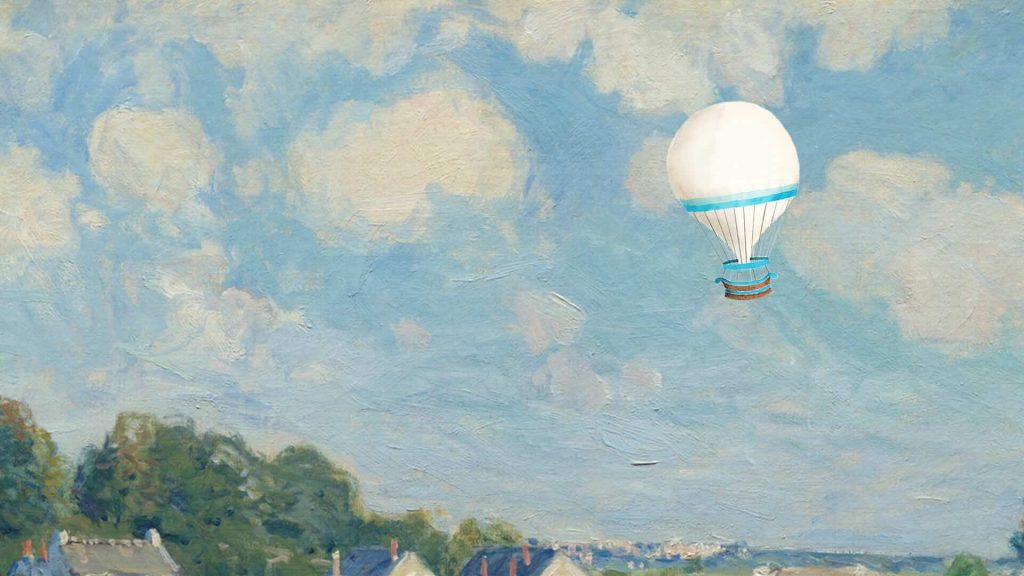
Dee HarrisOpen Culture, Open Heritage"Watering Place at Marley" by Alfred Sisley, 1875, CC0, Art Institute of Chicago, remixed with "TAROCH balloon" by Creative Commons/Dee Harris, 2025, CC0.
Creative Commons and the TAROCH Coalition (Towards a Recommendation on Open Cultural Heritage) announce the launch of the Open Heritage Statement, now open for signature by governments, organizations, and institutions worldwide. Developed by more than 60 organizations across 25 countries within the Coalition, the Statement defines shared values, highlights key challenges, and sets action-oriented priorities for closing the global gap in equitable access to heritage in the public domain.