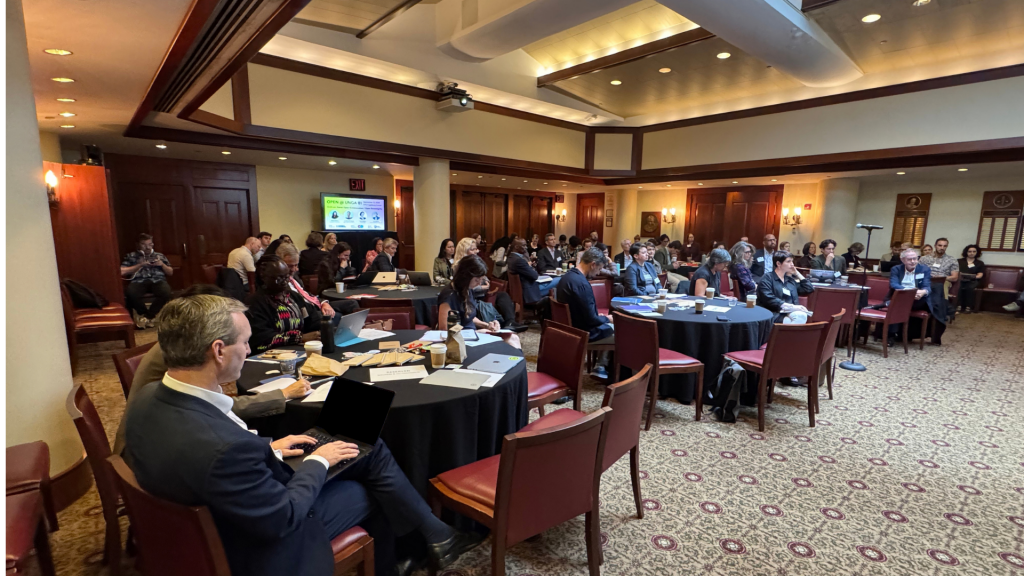
On September 21st, Creative Commons convened leading experts, practitioners, and builders for a day of conversation about the collaborative underpinnings of openness, investigating all the layers of the stack for a better, shared understanding of what openness can—and cannot—do to help communities and nations drive towards digital sovereignty.
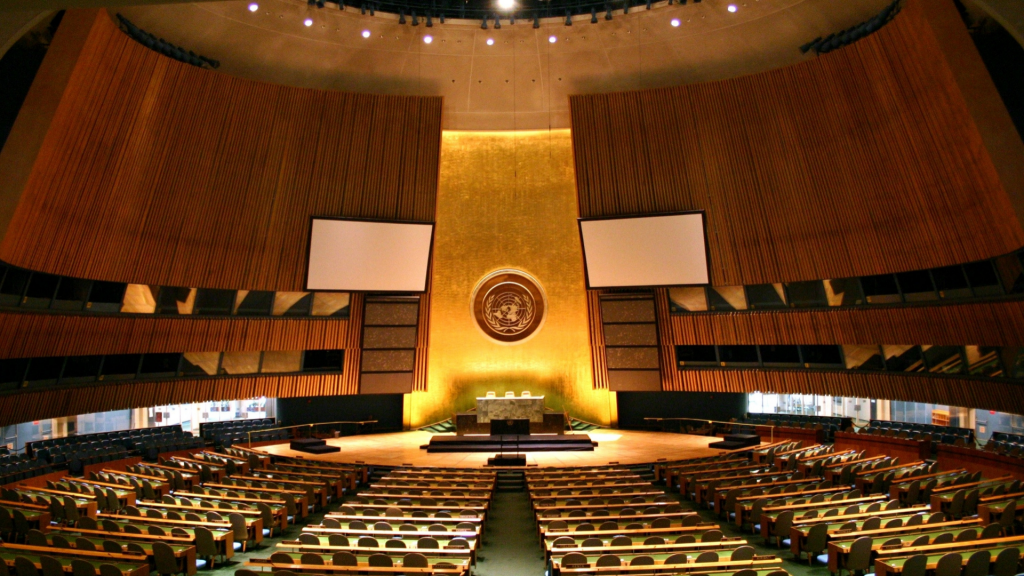
As the United Nations General Assembly (UNGA) convenes its 81st session in New York in September, Creative Commons is bringing together leading civil society and digital rights organizations for “A Conversation on Collaboration,” a day-long symposium examining how to balance digital sovereignty with open collaboration.
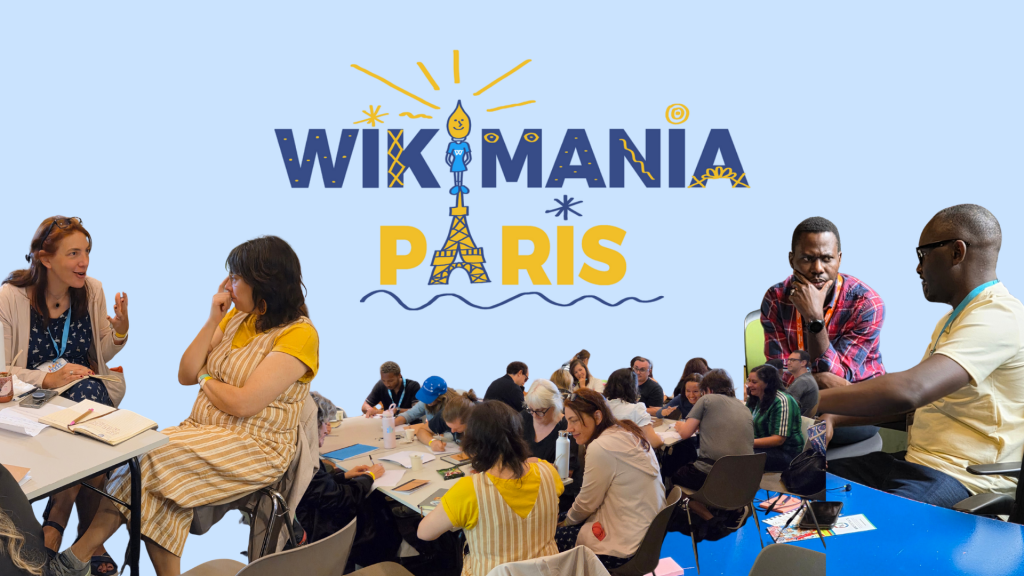
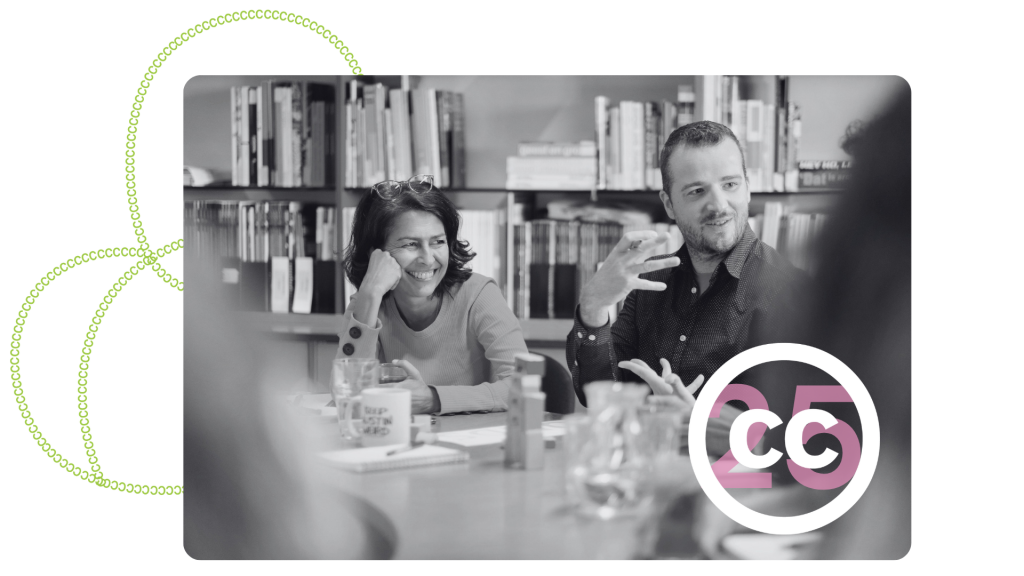
With both Wikipedia and Creative Commons turning 25 this year, our participation in Wikimania 2026 felt especially meaningful. A quarter-century in, both organizations have evolved from scrappy experiments to global infrastructure. Our community has grown through a shared commitment to openness, access, and knowledge. The weeklong conference reaffirmed that commitment as AI is reshaping how we access knowledge and share online.
Attribution has always been a cornerstone of working with other people’s creativity and knowledge. As Creative Commons reminds us, practicing attribution serves many important functions, from providing verifiable evidence of a claim, to paying respect to the work of others, and creating pathways for traffic and financial value to flow. Despite the importance of attribution, many of today’s AI systems fail to acknowledge the sources of knowledge and creativity that make them possible.
Over the past 25 years, Creative Commons has helped transform openness from an aspiration into a global practice. Through open licensing, communities around the world have built new models for sharing. The Legacy Of series reflects on four interconnected movements—Open Access, Open Education, Open Science, and Open Culture—and the people who helped shape them.
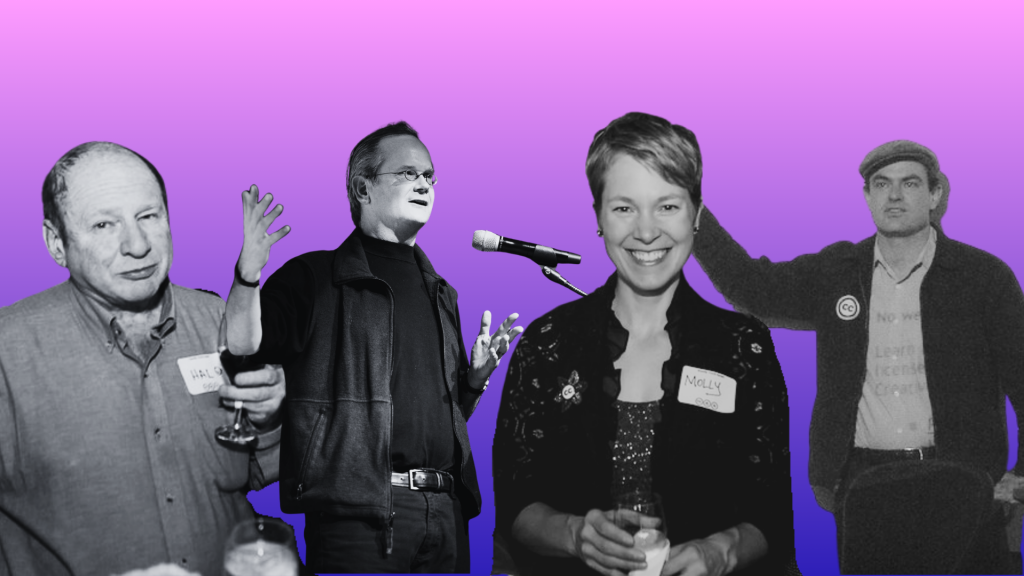
Twenty-five years ago, a small group of people made a bet. They believed that if you gave creators a simple set of tools and licenses in language that a lawyer, a machine, and a human could all read, millions of people might choose to share their work with the world instead of locking it down.
“We said, oh gosh, if a million people use these licenses, that would be amazing,” Hal Abelson recalled, laughing at how small that ambition sounds now. Today the number “starts with a B.” Hal’s quote was one of many memorable moments during Creative Commons’ Founders Fireside Chat, a special benefit event for CC’s 25th anniversary.
This month, CC will be represented at the AI Impact Summit in Delhi, an international gathering shaping the future of AI policy and practice. The 2026 Summit follows the AI Action Summit in Paris in February 2025, where CC underscored a simple but essential truth: without civil society, there can be no public interest.
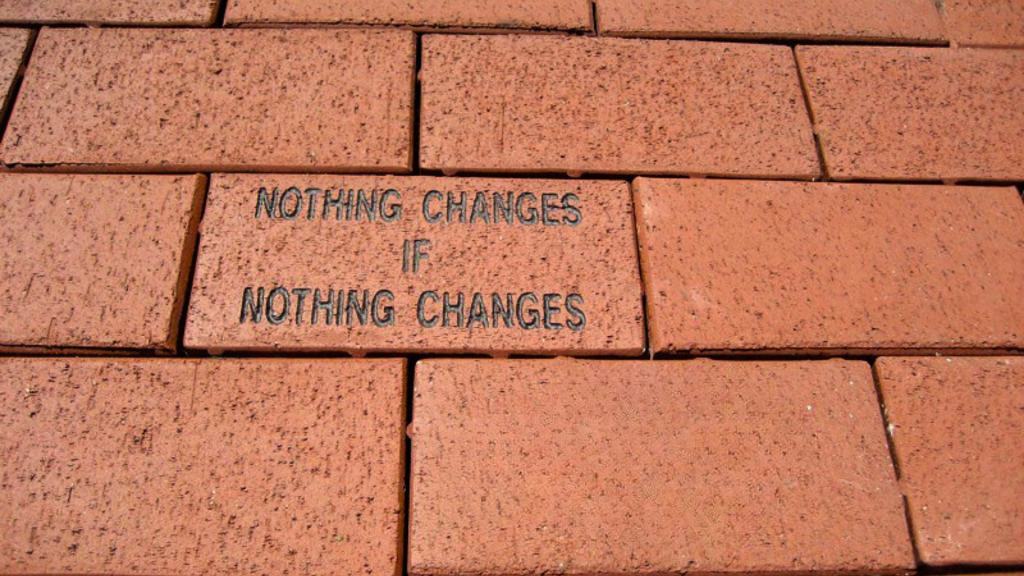
In 2026, Creative Commons will continue to ensure that technological change strengthens, not erodes, the commons and improves the acts of sharing and access that are part of our everyday lives. We do this by applying first principles, practical strategies, and lessons learned from decades of advancing the commons. Sharing of research, educational materials, heritage, and creative works are acts of generosity—these are the gifts people give to the commons. Access to these same shared resources enables collaboration, innovation, and understanding. Together, this is how we improve access to knowledge and build a more equitable future.
by
Anna TumadóttirAbout CC"Kaleidoscope 2" by Sheila Sund is licensed under CC BY 2.0, remixed by Creative Commons licensed under CC BY 4.0
This year marked the first year of a new strategic cycle for Creative Commons, and it began amid profound change. The ground beneath the open internet continues to shift. Powerful technologies, driven largely by multibillion-dollar companies, are reshaping how knowledge and creativity are shared online, concentrating power in the hands of a few and testing long-standing assumptions about openness and access.