Search
What are the Benefits of Open Culture? A new CC Publication
Open Culture, Open Heritage post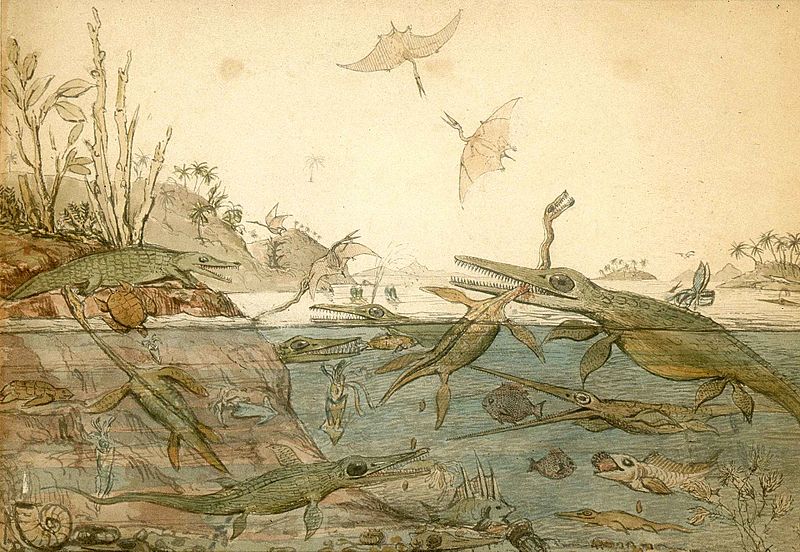 Duria Antiquior by Henry De la Beche, National Museum Cardiff, Public Domain
Today we in the Open Culture Program are releasing a new publication: Don’t be a Dinosaur; or, The Benefits of Open Culture.
CC at WIPO: Slow progress on copyright exceptions for cultural heritage institutions
Copyright, Open Culture post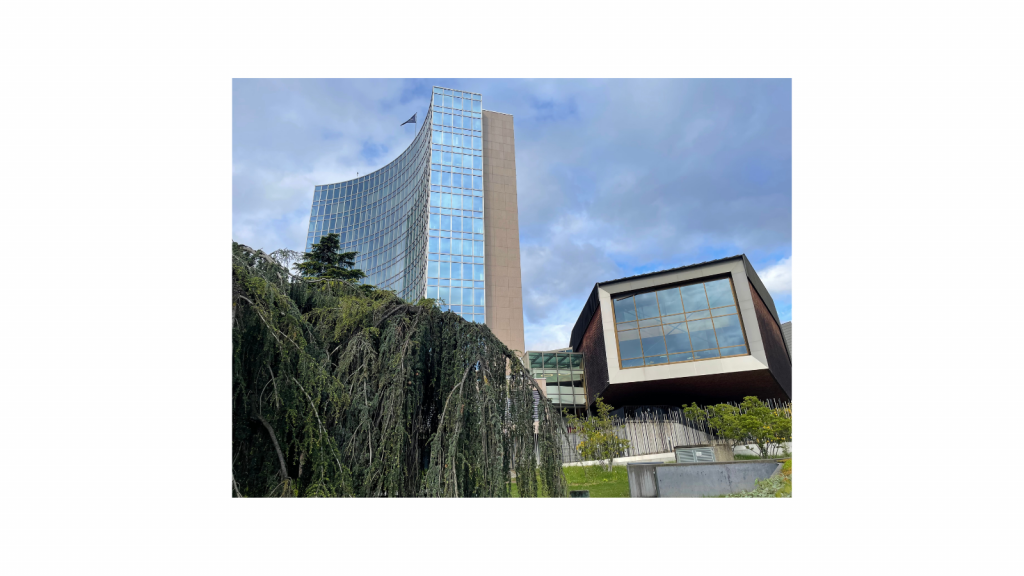
Last week, Creative Commons (CC) participated in the 45th session of the World Intellectual Property Organization (WIPO) Standing Committee on Copyright and Related Rights (SCCR). In this post, we report on the session discussions on exceptions and limitations for cultural heritage institutions (CHIs), a topic of utmost relevance to our Open Culture Program.
Annual Reports
page
We are pleased to present Creative Commons’ 2023 Annual Report. This past year, our Open Culture program and Open Climate Campaign entered their third and second years, respectively. We also launched our Open Infrastructure Circle to ensure that our CC Licenses and public domain tools are funded well into the future. We are so grateful…
Creative Commons and University of Nebraska at Omaha Partner on a Microcredential Course
CC Certificate, Open Education post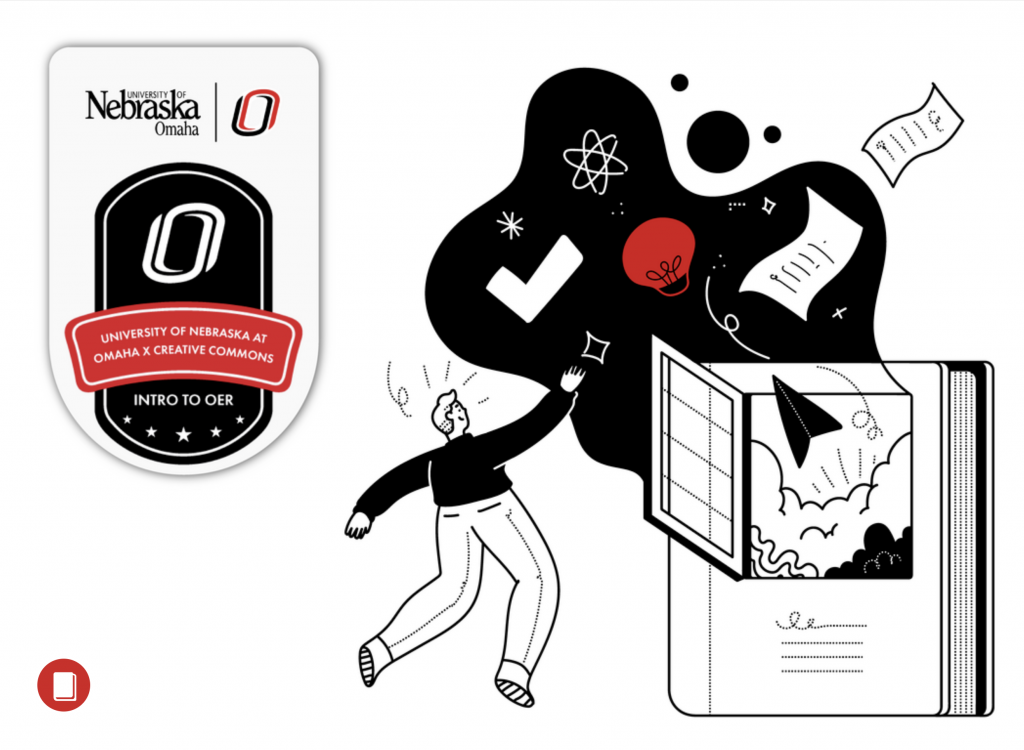
Creative Commons is proud to announce the launch of “Introduction to Open Educational Resources,” our first professional development microcredential course and partnership with the University of Nebraska at Omaha, commencing on 31 May. This microcredential pilot started with one CC Certificate alumnus’s enthusiasm for open education. Craig Finlay, OER and STEM Librarian at the University…
Craig Finlay
personResearch Analyst, Openly Licensing Life Sciences Preprints
pagePreprint servers have seen a marked increase in uploads across the life sciences. This surge has been notably propelled by the recognition of the critical need for timely and open access to research findings amid the COVID-19 pandemic. Preprints are not only a faster pathway to the dissemination of research results but also facilitate the…
Research Analyst, Open Climate Data Project
pageCreative Commons (CC) is a global nonprofit organization working to solve the world’s most pressing problems by opening up knowledge and culture about them. We’ve created open copyright licenses that can be used to broadly share creative, educational, and research work. We advocate for legal and governance strategies that make these works globally accessible rather…
Rebecca Ross
person
Anna Tumadóttir Appointed as CEO of Creative Commons
About CC post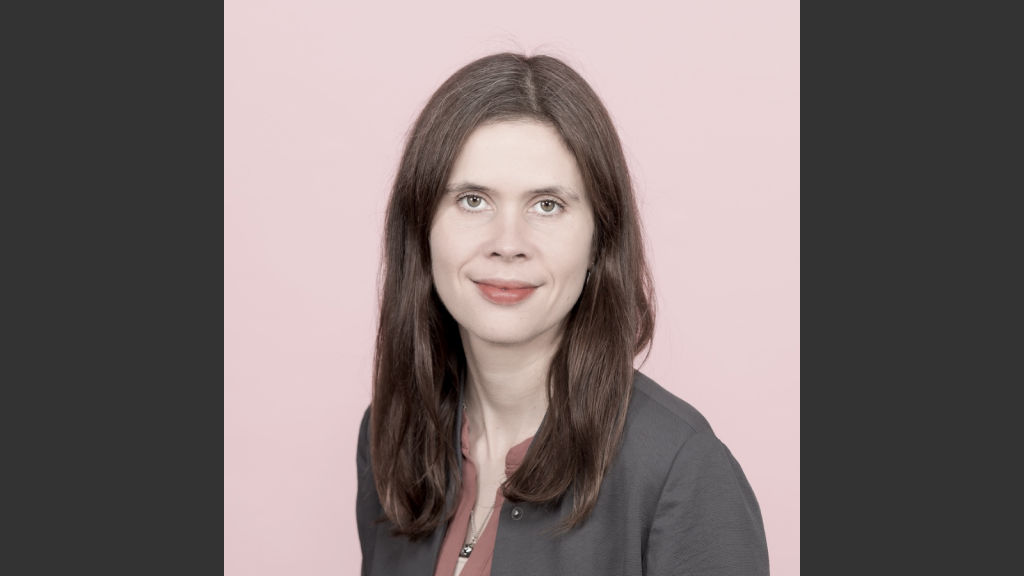 CC staff photos are licensed under CC BY 4.0. Gratitude to Sara Jordan Photography.
The Board of Directors of Creative Commons (CC) is pleased to announce the appointment of Anna Tumadóttir as the Chief Executive Officer (CEO) of CC.
Erika Drushka
person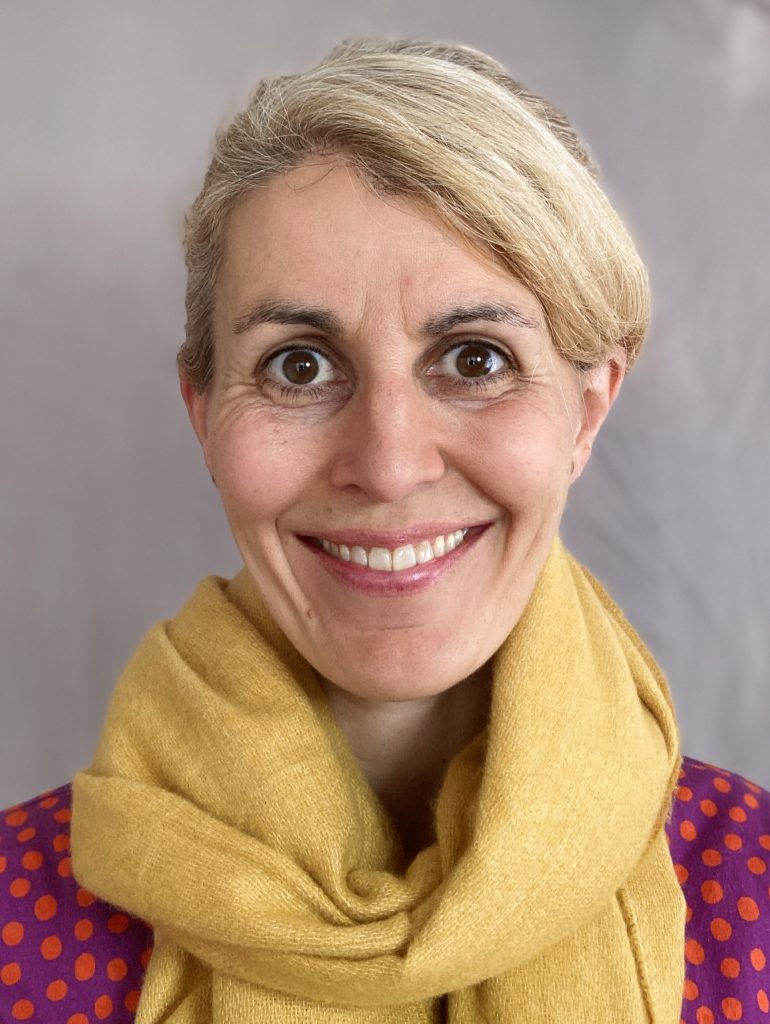
Erika Drushka is the Director of People and Operations at Creative Commons. She has spent the last 15 years in social impact and technology organizations, leading teams and projects in mission-based work. An expert cat-herder with a background in global program management, she uses process and collaboration to channel creativity around an idea into intentional,…