FRANCOCAR: An Awesome Fund Project in West Africa
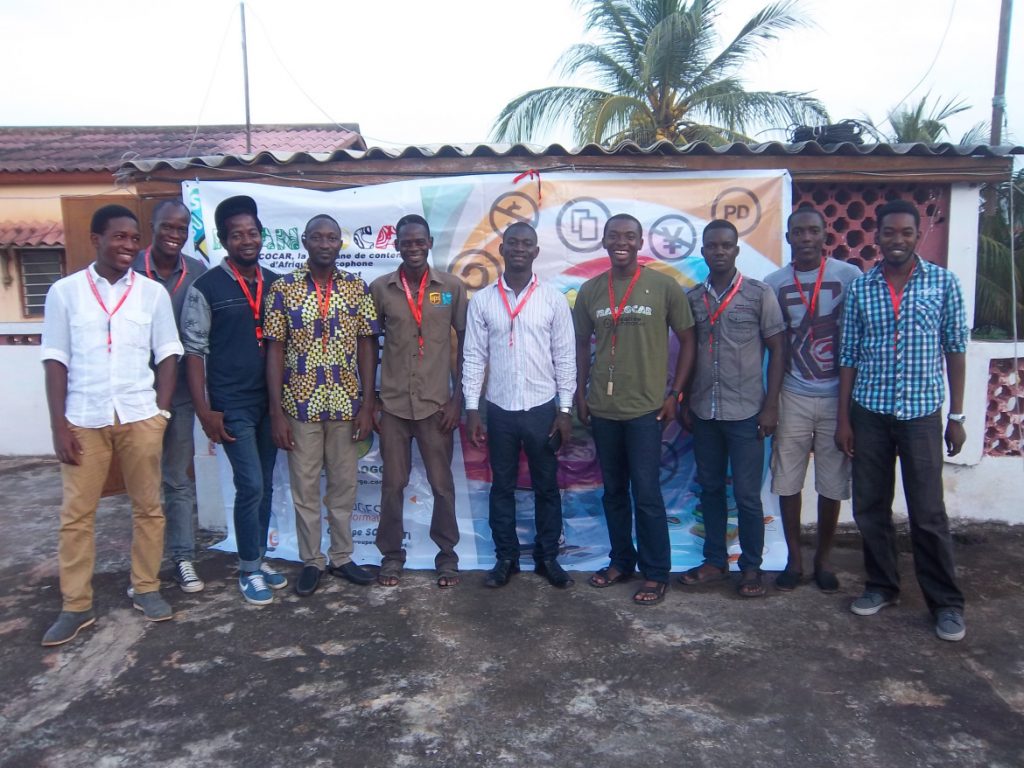
The Creative Commons Awesome Fund, a series of mini-grants intended to support our global communities, supported FRANCOCAR this year. FRANCOCAR is a range of events and activities in West Africa (Togo, Benin, Burkina Faso, Ivory Coast and Senegal) to promote open source software, digitization, and Creative Commons licenses.
Follow #francocar if you want to stay in the loop on future activities or check the blog.
All photos from Mawusee Komla Foli-Awli, CC BY
FRANCOCAR est un projet :
– de sensibilisation sur l’importance du contenu numérique
– d’information et de formation sur les outils liés à la création de contenu
– de promotion des licences Creative Commons qui facilitent la publication du contenu dans un cadre légal
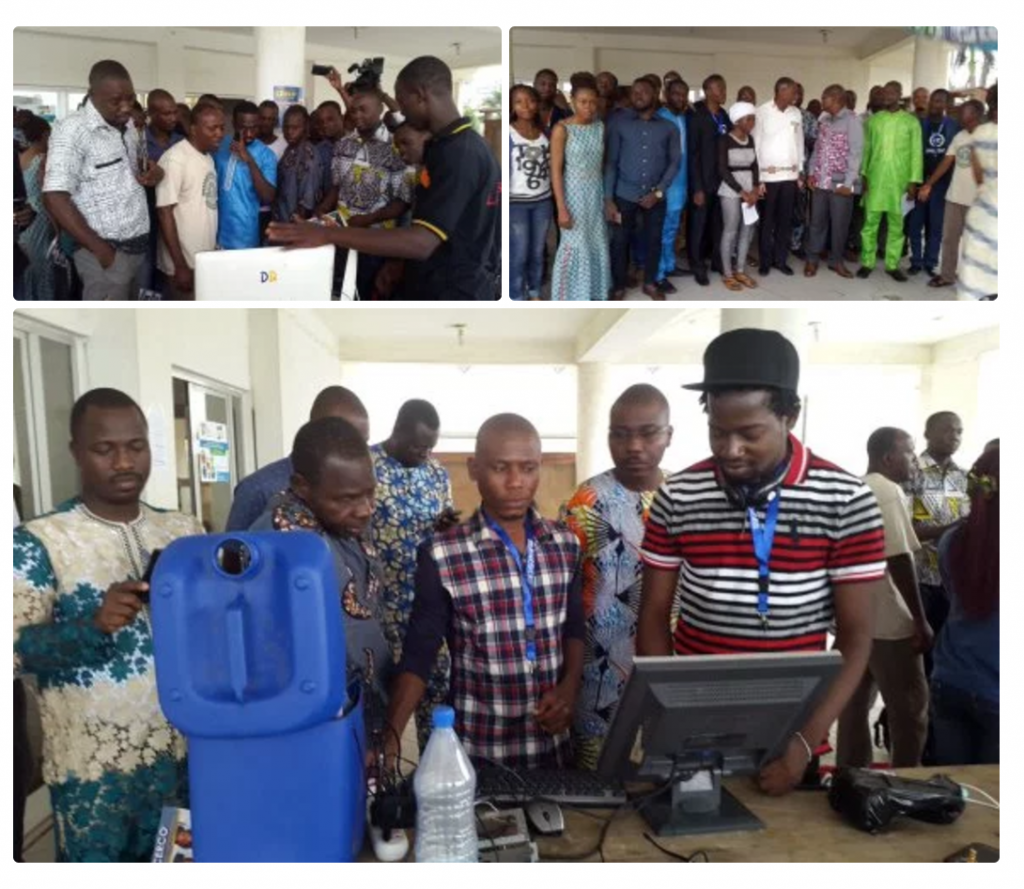
Il a été initié dans la cadre de l’appel à proposition de projets –Awesome Fund 2016- de Creative Commons.
Il a été lancé en Octobre 2016 – Rencontres Nationales des Logiciels Libres à Cotonou (Benin).
Il va d’Octobre à Décembre 2016 mais les activités pourraient aller au delà de cette période.
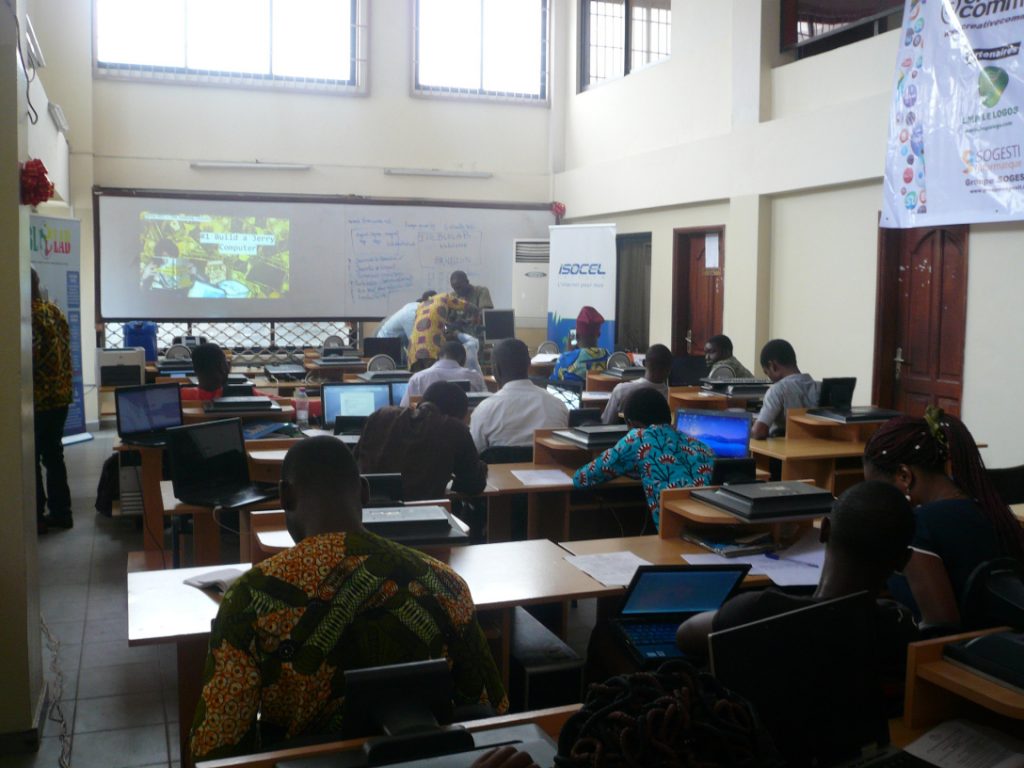
Les pays ciblés pour cette phase sont le Togo, le Benin, le Burkina Faso et éventuellement la Côte d’Ivoire et le Sénégal.
Les activités organisées dans le cadre du projet sont :
– le lancement Rencontres Nationales des Logiciels Libres 2016 à Cotonou (Octobre)
– la première édition de “Sous Arbre à Contenu” à Lomé (contribution sur Wikipedia) (Octobre)
– la participation à la Semaine des Cultures numériques à l’Institut Français du Togo (Novembre)
– la première édition de “Sous Arbre à Contenu” à Cotonou (contribution sur Wikipedia) (Novembre)
Merci à Creative Commons pour l’initiative et aux apports des uns et des autres (LMP LE LOGOS, SOGESTI, BLOLAB, ECOHUB, Institut Français du Togo).
Nous sommes ouverts à toute collaboration pour des activités allant de le sens des objectifs du projet.
Vous pouvez lire les détails des activités sur http://afrozen.wordpress.com.
#Francocar
Francocar site
Facebook
Email
Making Creative Commons Licensing Work In Indonesia
Below is an update from Creative Commons Indonesia, who recently worked with their national copyright office on proposed changes to law that will secure the ability of creators to use CC and other open licenses there.

In late 2014, Indonesia amended its copyright law to add several new provisions, including changes having to do with database rights, addressing copyright as an object in a collateral agreement, and making license recordation mandatory. The latter is something that could potentially be an issue with regard to the operation of Creative Commons licenses, as well as other open license in Indonesia.
“License recordation” means that licensors (even those publishing their works under Creative Commons) must report their licenses with the Indonesian Copyright Office. If a licensor does not comply with the requirement, the license that they applied on their work will not have any legal effect, and will not be enforceable against third parties. This provision is stated in Article 83 of Law Number 28 year 2014:
- Every license agreements has to be recorded by the Ministry in the general list of Copyright License Agreement with payable fees;
- License agreements which are not in compliance with the license agreement criteria according to Article 82 cannot be included in the general list of Copyright License Agreement;
- If a license agreement is not recorded in the general list of Copyright License Agreement, such unrecorded license agreement will not have any legal effects, and thus not enforceable against third parties;
- More detailed provisions on license agreement recordal will be regulated under a Government Regulation.
The Creative Commons Indonesia team realized that this provision could possibly complicate the applicability of open licenses under the copyright law. We know that creators publishing under CC do it because the licenses provide an easy and standard way to share creativity with the public, while at least retaining the right to be attributed as the author of the work. The updated Indonesian law would create an artificial barrier to sharing under CC, because it would require licensors to take an additional step in letting the Copyright Office know which of their works are under an open license.
We began to explore the possibility of requesting an exception to the rule for Creative Commons’ licensed works. When we found out that the discussion regarding the regulation had started, we visited the Indonesian Copyright Office. Our aim was to exclude open licenses from the license recordal mandate, ensuring the operation of Creative Commons and other open licenses as they are intended.
On May 23, 2016, we met with the Indonesian Copyright Office, where we were informed that there has been a discussion on the license recordal mandate by the drafting committee, and that open licenses would not be excluded from the license recordal obligation. On September 21, we had another meeting with the Office, where we were asked to provide a written explanation of the operation of open licensing, along with examples of CC licensed materials.
We returned a week later with a draft of our explanation and asked the Copyright Office for feedback and questions. The next day we filed the written request with the Office, and also gathered support from other Creative Commons affiliates by drafting a letter, in case our petition was rejected.. We planned to send out the letter of support from CC affiliates to the drafting committee as our backup plan..
However, on November 1, the Copyright Office informed us that Creative Commons licenses and other open licenses in use in Indonesia will be excluded from the license recordal mandate. The drafting committee agreed to exclude those from the regulation because they understand that open licenses are often used in for non-profit purposes. This decision will be included in the preamble of the government regulation, which is still in the drafting process, but will be finally enacted in December 2016 or January 2017.
Screwdriver And Wrench by To Uyen, CC BY 3.0 US
Copyright by Marek Polakovic, CC BY 3.0 US
Creative Commons at WIPO: Supporting a more fair copyright for teaching and learning
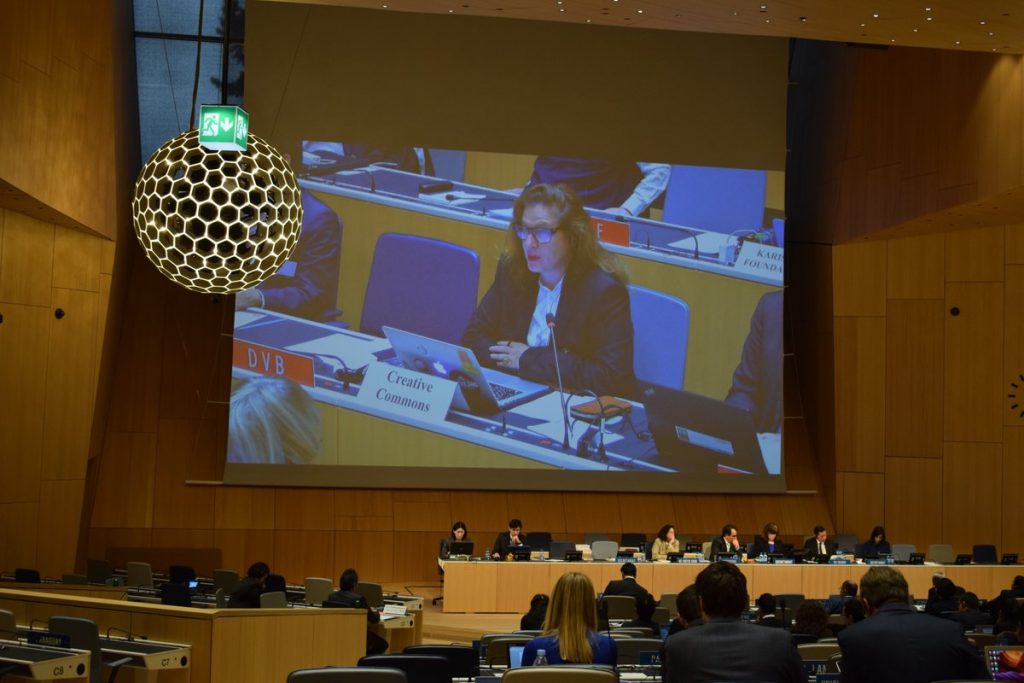
Delia Browne at WIPO. Photo by Stephen Wyber, CC0
Last week in Geneva, Creative Commons participated in the World Intellectual Property Organization’s (WIPO) bi-annual meeting of its committee on copyright and related rights.
CC has had “observer status” at WIPO since 2011, which means that it can attend the proceedings and at times offer written or oral feedback on activities of the committees.
WIPO’s agenda has included at least some discussions around limitations and exceptions to copyright for education and research—essentially, how to pursue a legal or normative mechanism that will improve access to and use of copyrighted works in service of teaching and learning.
While we continue our outreach and advocacy on open education policy and practice, we have always known that voluntary licensing schemes will never be a comprehensive solution. Nor should they be. Governments and others need to take a leadership role to enshrine within the exception and limitation framework the rights of those who teach and those who learn to take advantage of knowledge worldwide without fear of infringing. For this reason, CC believes that fundamental law and regulatory reform is needed, regardless of the success of the CC licenses and their utility in promoting a more equal, just and fair society. We support mandatory, flexible exceptions to copyright to sustain and empower education and research.
Delia Browne, National Copyright Director for Australian Schools and co-lead for Creative Commons Australia, attended the meeting on behalf of CC. She presented the statement below at the meeting. The Communia Association, of which Creative Commons is a member, also participated in the WIPO sessions focusing on exceptions and limitations for education.
In addition, last week WIPO announced it would adopt an open access policy “in support of its commitment to the sharing and dissemination of knowledge, and to make its publications easily available to the widest possible audience.” Through this announcement, WIPO joins intergovernmental organization such as UNESCO, the World Bank, and the Commonwealth of Learning in making their publications available under open licenses. We congratulate WIPO and these intergovernmental organizations, and call for other publicly-minded institutions to support open access and distribution of works they develop.
Creative Commons – Statement in relation to Limitations and Exception on Education
Friday 18 November 2016
Presented by Ms. Delia Browne
Thank you Mr Chair. I speak today on behalf of Creative Commons, the global nonprofit organization that is dedicated to making it easier for people to share and build upon the work of others, consistent with the rules of copyright.
We warmly welcome and congratulate the World Intellectual Property Organization new Open Access Policy which will make all of its publications available under Creative Commons Inter Government Organisation (IGO) licences. We welcome WIPO’s commitment to make its publications as widely accessible as possible and we were delighted to be represented here person to hear the public announcement by the WIPO on Wednesday.
We also thank the Chair for the extremely helpful chart on Limitation and Exceptions for Education, which we will consider with great interest.
Creative Commons believes that in the digital era, universal access to education is possible. To this end we are working extensively with governments, educational institutions, companies and individuals; sharing free licenses and legal tools that promote access to knowledge and information. Today:
- Creative Commons licenses underpin millions of open access and open educational resources, from academic papers through to quality educational videos and higher education courses. Governments, charitable and philanthropic organisations are increasingly requiring research to be openly licensed in return for funding support.
- The Creative Commons public domain mark is used to label millions of out-of-copyright works shared on platforms such as Europeana.
- Governments and organizations are proactively using the using the CC0 dedication on data sets, in order to remove copyright restrictions that would otherwise hamper research
All this material is easily discoverable by teachers, students, and self-learners, who are using it to study, research, build upon and distribute further, increasing the knowledge commons.
We are proud of the opportunities provided by Creative Commons resources, but we understand that licensing alone is not, and never can be, the full solution. Creative Common’s licenses only apply to a fraction of necessary educational resources, works whose creators make a conscious decision to affirmatively openly license their work. And licencing, open or otherwise, cannot replace the essential work of educational exceptions and limitations.
Therefore Creative Commons supports mandatory, minimum standards for educational limitations and exceptions.
We congratulate Professor Seng on his study on copyright limitations and exceptions for educational activities. While we understand that there is still further work to be done before all 189 member states’ legislation is reviewed, already three key point emerge:
- There is a broad agreement that education is an area where exceptions and limitations are necessary;
- There is a divergence on how to protect educational rights, and which exact rights are protected;
- Many countries’ exceptions have not kept pace with technological advances – and while some older exceptions have managed to adapt to new technologies in areas where new rights holder rights have been introduced, such as technological protection measures, corresponding educational protections have not kept pace.
In this context we thank the delegation of Argentina for their interesting proposal– focusing as it does on two crucial factors, uniformity and coordination. This aim – of ensuring minimum standards that could be used in a cross-border situations – is a necessity in the digital, globalized world. Creative Commons believes there is scope in further exploring how this proposal can support work on mandatory minimum standards to protect copyright limitations and exceptions.
We must ensure that fair access to educational materials is protected globally. We offer any assistance that may help in progressing this essential topic, and thank the committee for its work.
Step outside of the status quo with Maya Zankoul: A Lebanese illustrator discusses her connection to the commons
Popular Lebanese illustrator, webcomic author, and blogger Maya Zankoul spreads the message of the commons through her art, her design studio, and her video company wezank. Her first book, Amalgam, was published in 2009 under a CC license. The book sprung from her popular web comic exploring life, work, and art in Beirut and beyond.
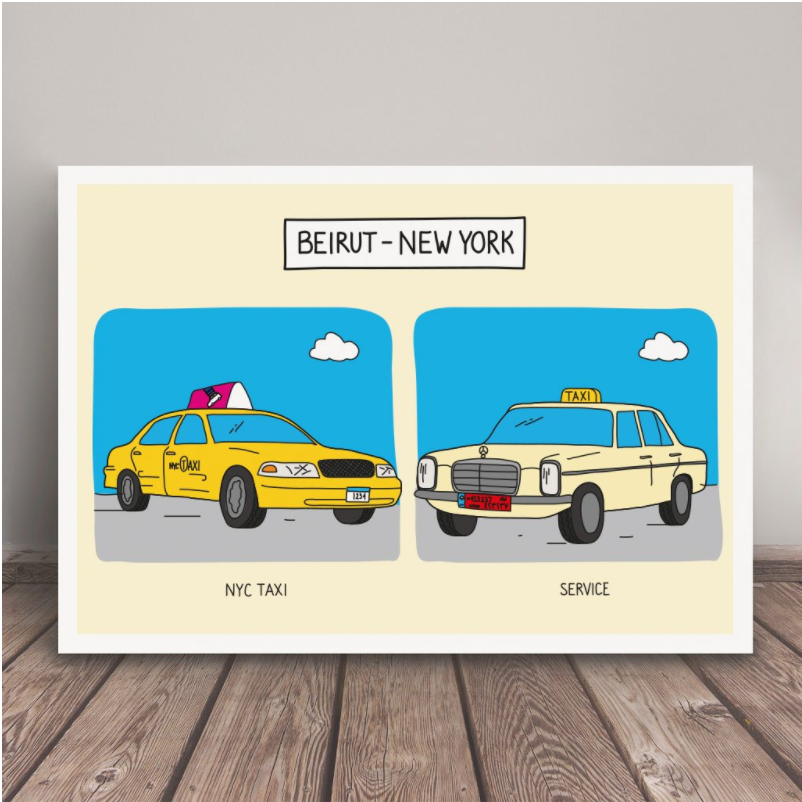
Zankoul’s work touches on the connection between cultures and her illustrations are shaped by her rich artistic world. Her newest book, Beirut – New York was published this autumn and can be purchased from her online shop.
You self-published a successful book of your comics called Amalgam in 2009. Tell me about that experience. What led you to self-publish as well as license that work under a CC license?
I published my first book a few months after starting my online comic blog. After seeing the reactions to the online comics, I was encouraged to publish them in a book. I contacted many publishers who felt that an illustrated book not targeting children would not be relevant for the local market, so I decided to self-publish. I knew there was an interest in the book from the blog following, so I decided to do it on my own. Because I was already publishing my work under Creative Commons on the blog, it made sense to keep this for the book as well.
Publishing under Creative Commons allowed people to translate some of the work, to change the captions of the comics to come up with entirely different stories. It was a very interesting thing for me.
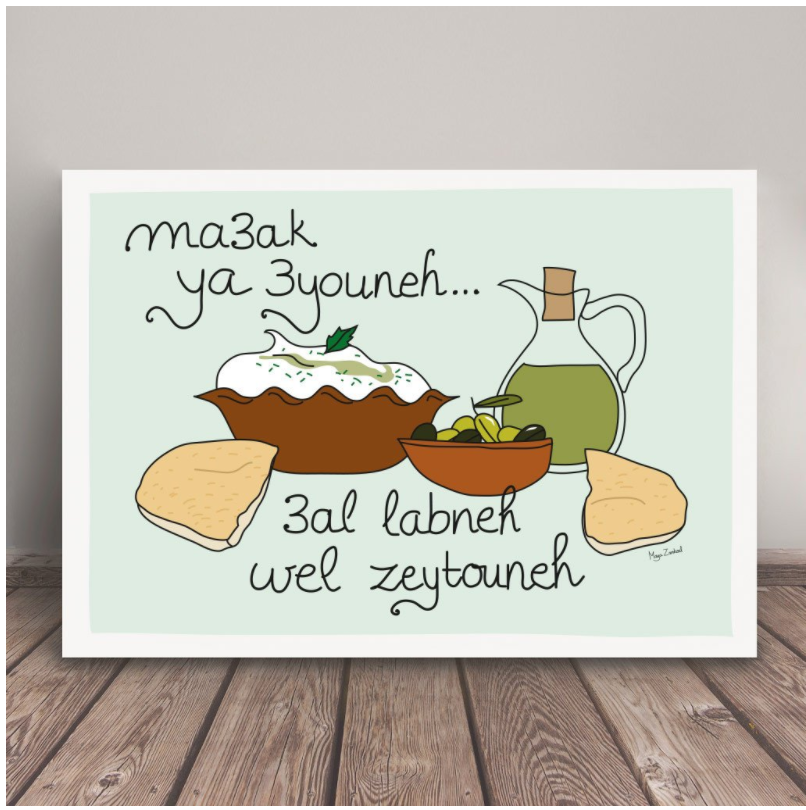
Your new book, Beirut – New York explores the cultural similarities and differences between your home city of Beirut and the city of New York, which you visited last year. Why did you decide to make these 40 illustrations? What is the motive behind showing the similarities between these “highly incompatible cities?” What kind of response have you seen to the book so far?
The idea came to me after coming back from a long overdue vacation during which I visited New York. I was going through some “post-vacation blues” and not in the mood to come back to daily life in Beirut. So I started thinking that we also have fun and cool things over here. And that’s when I started noticing all these similarities between these two cities. I made a list and decided to illustrate them because that’s how I’m most comfortable communicating my ideas. So far I’ve received great feedback about the book: many people are seeing Beirut with fresh eyes, or are interested to visit New York after seeing it. Although not the main motive, the book also shows that Beirut can be underrated by its citizens.
Why did you decide to license your popular webcomic under CC to begin with? Why do you stick with that license in light of your success?
I was introduced to Creative Commons by a friend of mine, and I loved the idea of being able to share my work more freely under certain terms. That’s why I decided to publish my blog under CC. My favorite part about publishing under CC was seeing how my work was adapted by other artists, whether translated or used to illustrate a different idea than the original comic. It allowed my work to reach a larger audience and to have a life of its own!
Since 2011, you’ve moved away from your comic work and started to work on other projects. What kinds of projects have you been working on, and how do you keep the spirit of the commons in your commercial work?
I’m still working in illustration, but most of my time is spent on commercial work, and I try to squeeze in some personal illustrations that I publish on my social media channels rather than the blog. I also co-founded wezank, a studio specialized in explainer videos. We worked on a series of videos explaining Creative Commons in Arabic through wezank.
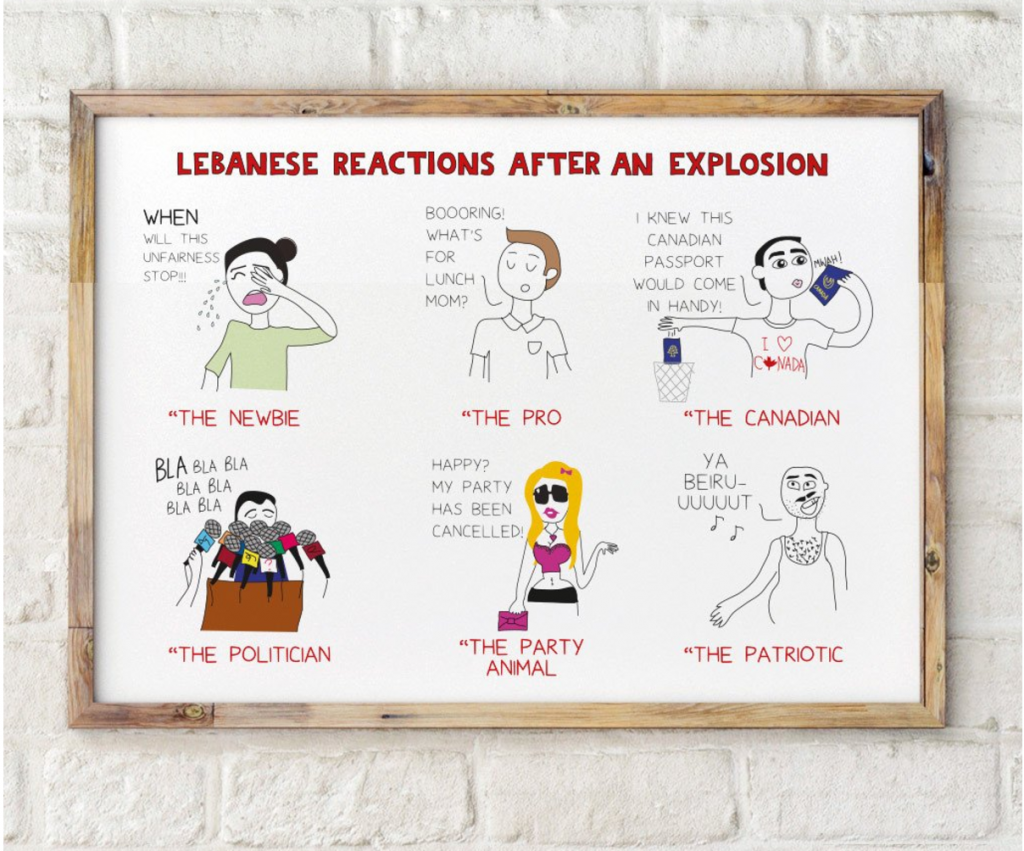
How do you feel like your work as an illustrator unites people? How do you work to create a more equitable world through your illustration?
I find that my illustrations allow people to see things differently. It allows them to step outside the status quo.
I get a lot of feedback from people who when faced with daily situations remember my comics. That for me is the best experience because it proves that my illustrations have touched people and left a little impact in their mind. The illustrations also bring people together over certain social topics in Lebanon that are not necessarily well represented in traditional media.
Unless otherwise indicated, all images Maya Zankoul, All Rights Reserved.
It’s been a long journey for CC Panama! As our newest official global community member, they have been growing their organization since 2014 and have emerged as a leading voice in the Central American knowledge commons. Their work spans many of the Creative Commons program areas, including open education, arts and culture, and advocacy.
The following account was written by the community to summarize the hard work it took to get this far. We’re proud to welcome CC Panama into our Global Network. ¡Bienvenidos!
All photos by CC Panama, CC BY-SA.
Habemus Capítulo Oficial de Creative Commons en Panamá
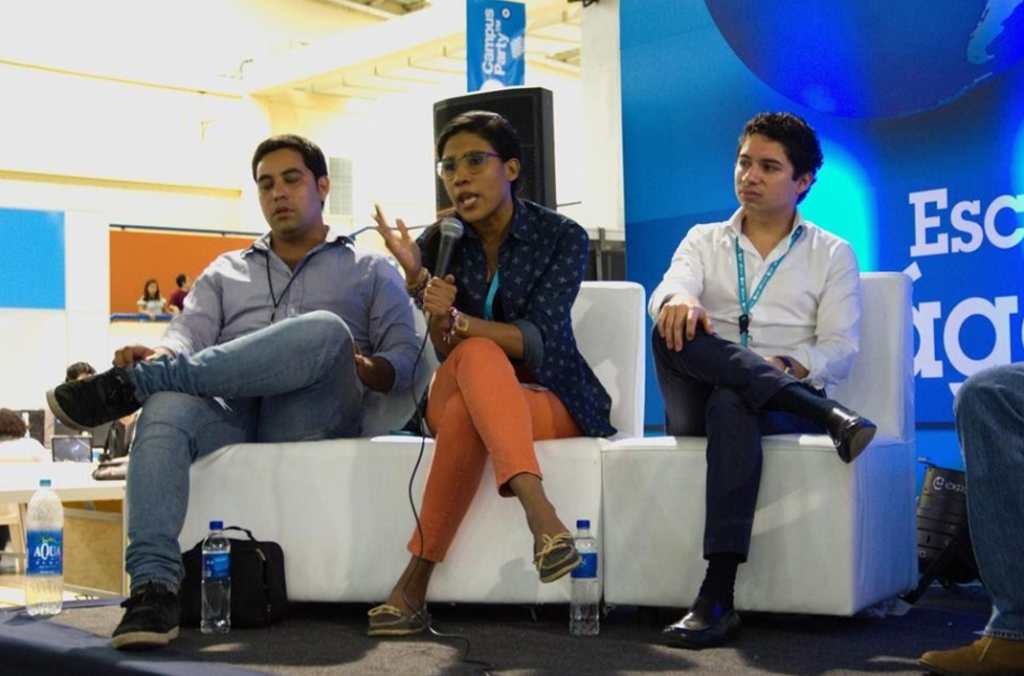
Después de un largo camino que comenzo en septiembre de 2014, Panamá cuenta con un capítulo oficial de Creative Commons en el pequeño país centroamericano. Este proyecto comenzó a tener vida, hace dos años cuando una ingeniera especializada en Innovación y una abogada especializada en Nuevas Tecnologías se cruzaron en el camino con la misma intención: compartir conocimiento y creatividad a través de herramientas digitales, gratuitas y legales y dar a conocer en la sociedad panameña, la filosofía de la organización.
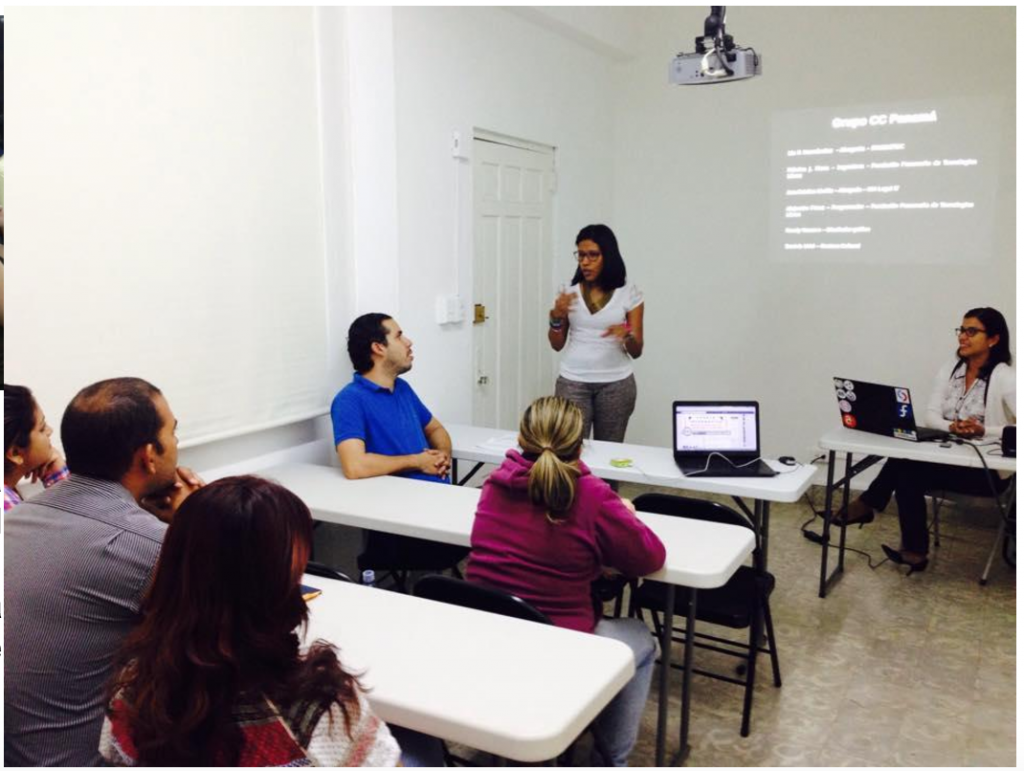
Ha sido muchas las actividades y logros que durante estos dos años, hasta el perfeccionamiento de nuestro grupo como capítulo oficial han sucedido y muchas las personas y organizaciones que han colaborado y creído en nuestro proyecto.
En noviembre de 2014 participamos junto a los capítulos de Creative Commons de Centroamerica (Costa Rica, Nicaragua, El Salvador y Guatema) en el Campus Party El Salvador y en el cual tuvimos la oportunidad de conocer a Ryan Merkley, recientemente a su nombramiento como nuevo CEO de Creative Commons Internacional.
El añp 2015 estuvo muy lleno de actividades por nuestro grupo, comenzamos una serie de sesiones en centros culturales y espacios de trabajo compartido en la Ciudad de Panamá, en las cual reuniamos a gestores culturales, abogados, artistas, diseñadores gráficos y bloggers y les exponiamos un poco a cerca de ¿Qué son las Licencias Creative Commons y cómo se comen?
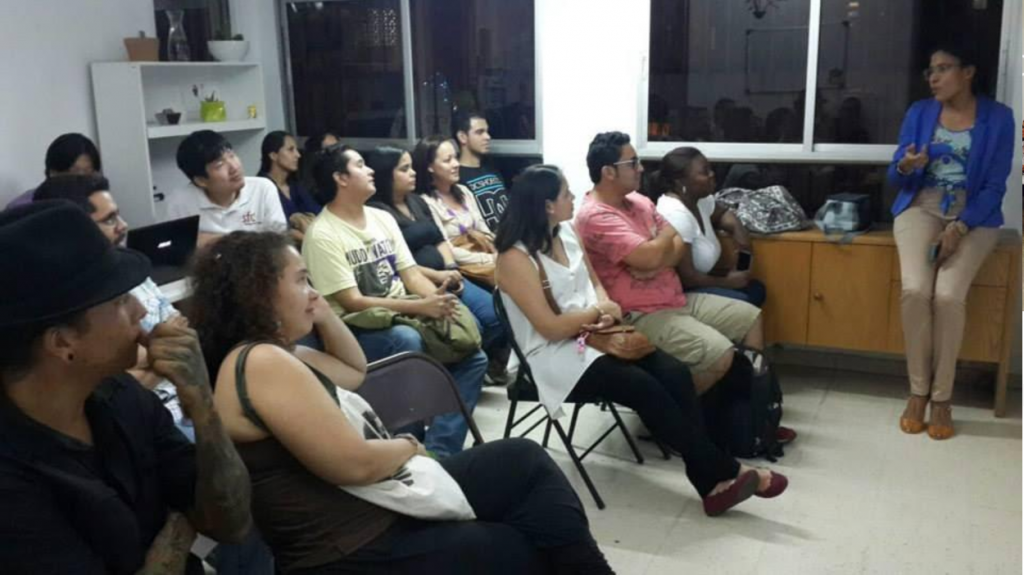 En esta gira por la ciudad de Panamá, conocimos a un grupo de cineastas panameños que nos invitaron a participar en un festival low cost de cine “Festival de Cine Pobre Panalandiaª y a la vez estaban en proceso de grabación de su primera película y tenían curiosidad a cerca del proceso de licenciamiento con CC de su obra, les explicamos un poco sobre el mismo y para nuestra sorpresa y unos meses después nos encontramos con que KENKE se convertiría en la primera película panemeña licenciada con Creative Commons.
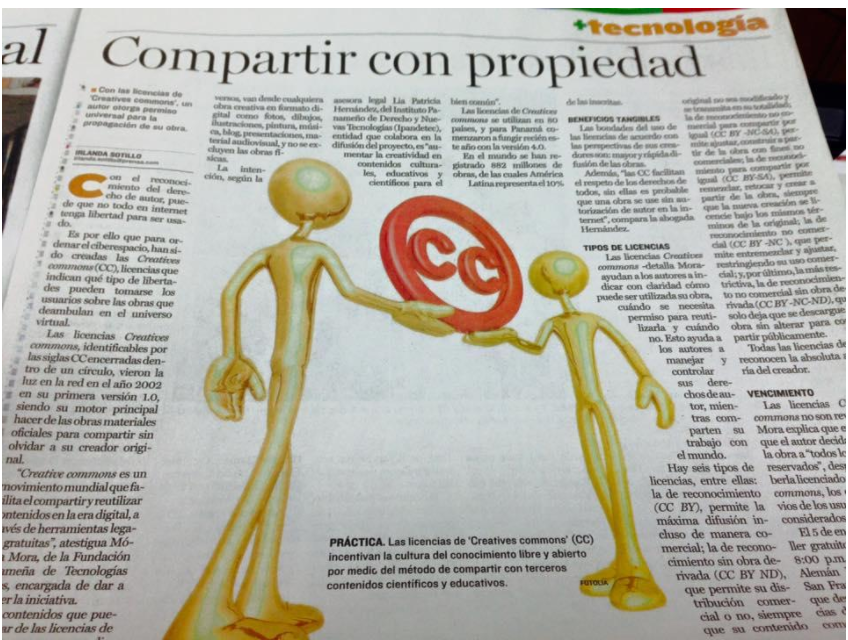
Igualmente medios de la localidad como el Panamá America y La Prensa nos entrevistaron para saber más sobre nuestra filosofía de compartir conocimiento a través de herramientas digitales gratuitas y de cómo promovíamos las mismas en nuestro país.
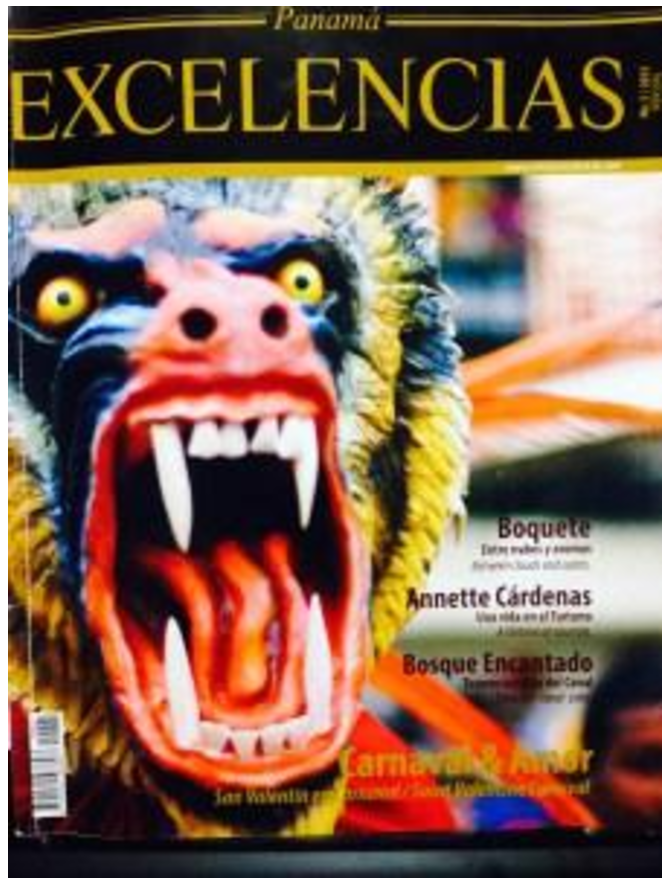
Y como no todas son historias bonitas; fue así como también tuvimos nuestra primera disputa legal, por la utlización de una foto de la Co-City Leader de ese entonces Mónica Mora, la cual subió en Flickr y fue utilizada por una revista de circulación nacional e internacional en su portada y atribuyendole la autoría a un tercero; el resultado fue una indemnización pecuniaria para la autora intelectual de la misma y una nota de rectificación en el siguiente ejemplar de la revista sobre la autoría correcta de la fotografía.
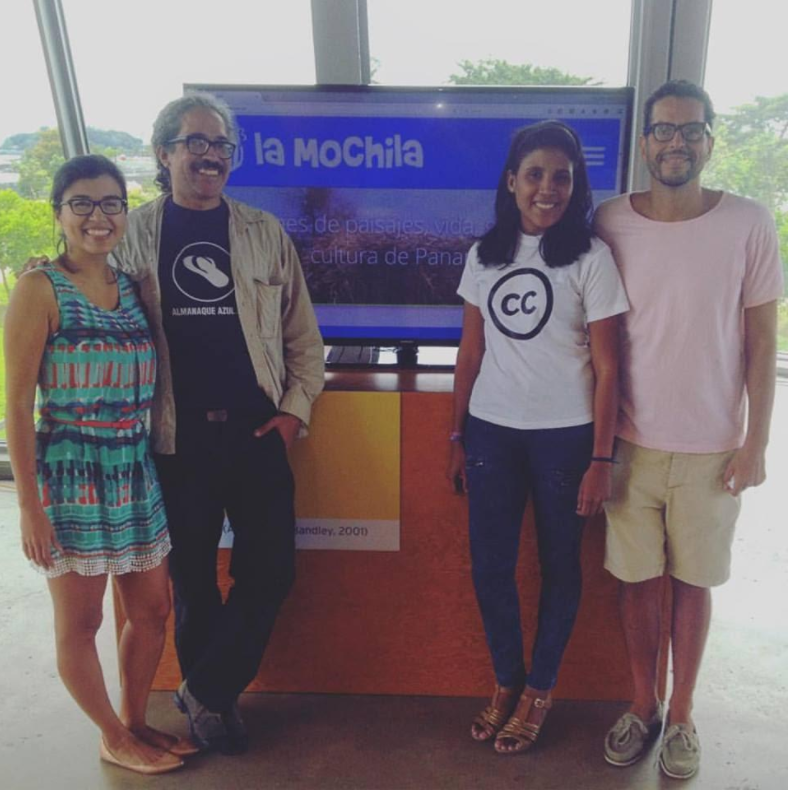
Colaboramos con una de las organizaciones ambientales más reconocidas del país “Almanaque Azul” en un proyecto financiado por el Gobierno Nacional y el Smithsonian Tropical Research Institute (STRI), en el cual se ponían en la plataforma educativa “La Mochila” y compartían licenciadas con CC una serie de fotografías bajo derecho de autor de esta Agencia estatal de los Estados Unidos y que luego de un largo proceso de negociación entre el capítulo en formación de CC Panamá y STRI fueron cedidas a licenciarse con Creative Commons.
Queremos agradecer a muchas personas que comenzaron este proyecto que por una u otra razón ya no están: Mónica Mora, Ana Cristina Muñoz, Randy Navarro, Davinia Uriel, Alejandro Pérez. A organizaciones que apoyaron nuestro eventos: Coworking PTY, Casco Station, Fundación Alemán Healy, Instituto NeoArte, Centro Cultural de España en Panamá, Casa del Soldado, MacroFest, Physical Modelos, Marie Claire Fontaine, Astrud Cordero. A las nuevas generaciones de Creative Commons en Panamá: Sandra Guerra, Nadia Ortíz y Mayra Victoria Ramos y a los creativos que acudieron a nosotros para licenciar sus proyectos con nosotros como José Jiménez Vega, Nos Gusta el Mar, Fundación Almanaque Azul, La Mochila y los que se nos quedan por fuera, esperen mucho más de CC Panamá en el 2017.
CC Tanzania’s Advocacy Training
This post from Aris Maro of CC Tanzania outlines their work in support of the Creative Commons Awesome Fund, a series of small grants designed to help commoners work on projects that make their communities stronger.
Thank you to CC Tanzania for their advocacy work in providing valuable information as representatives of Creative Commons ideals. To learn more or get involved with CC Tanzania, please visit their Twitter, Facebook, or blog.
All photos by Aris Maro, CC BY-SA.
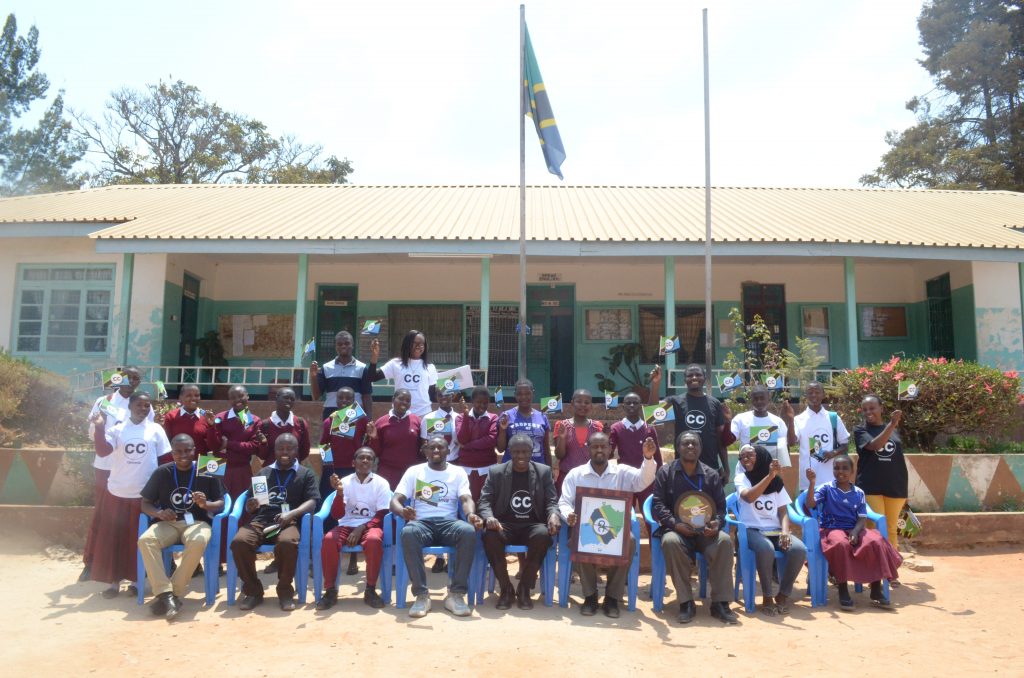
In September 2016, 30 Creative Commons Tanzania Affiliate Team members secured support from CC-HQ under the Awesome Fund and Open University of Tanzania (OUT) for an Advocacy Training to Lugalo Secondary School in Iringa region.
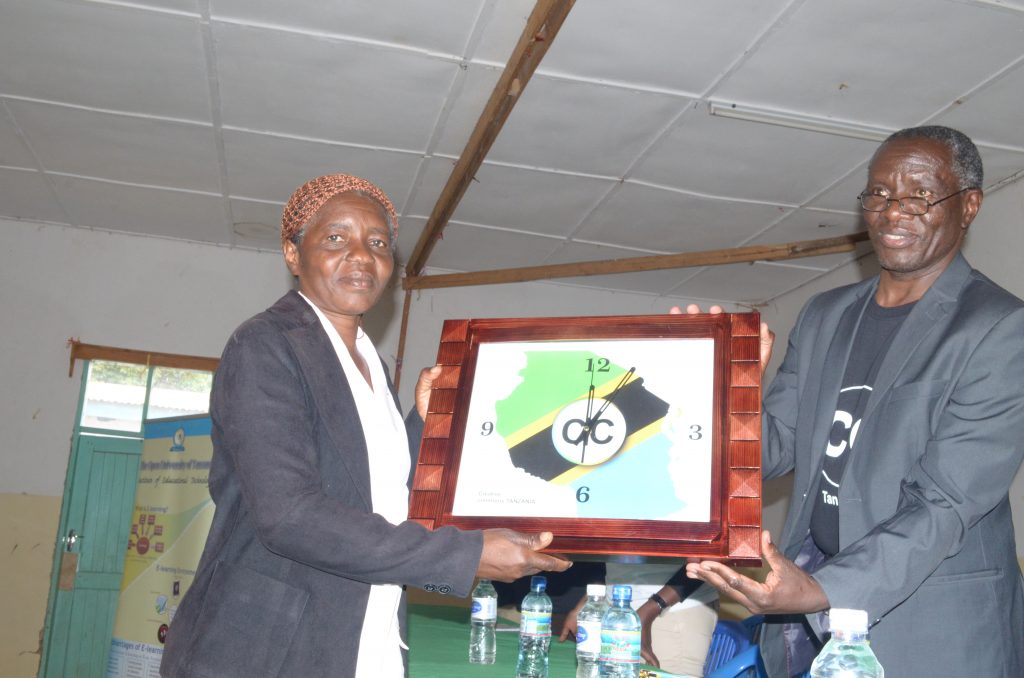
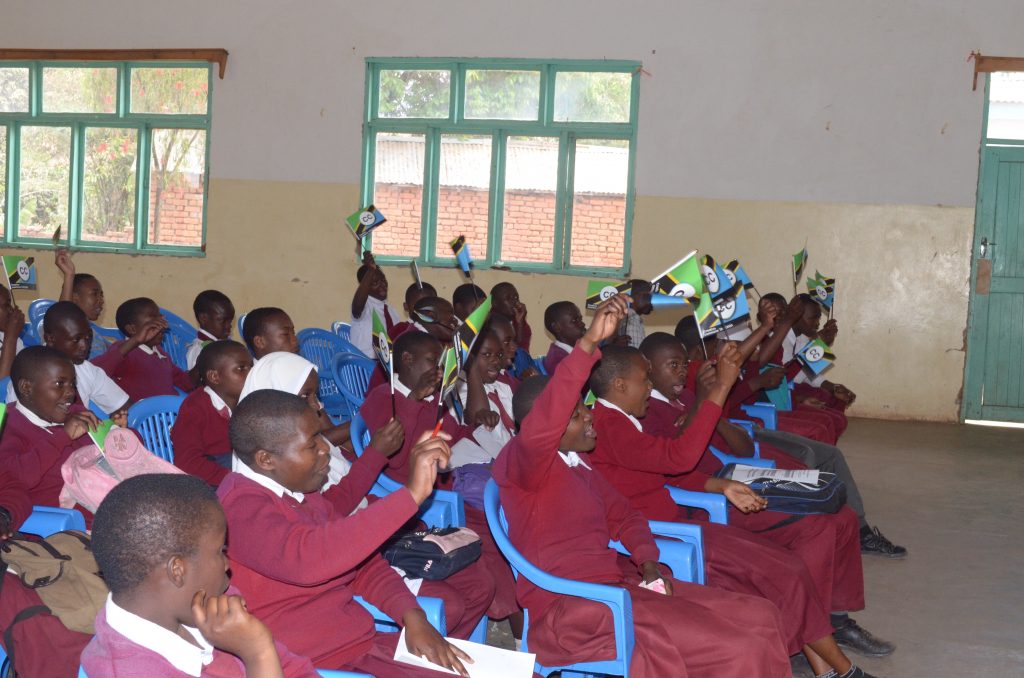
A 510 Kilometer drive started at OUT’s HQ Dar es Salaam, where we had a brief meeting with Prof. Deus Ngaruko; the Deputy Vice Chancellor Academic. It was a pleasure to have OUT’s Management blessings. Among other things, during the briefing, it was clear that our action had support from the university. The team assured the university management of their continued CC advocacy through the existing University networks in the country.
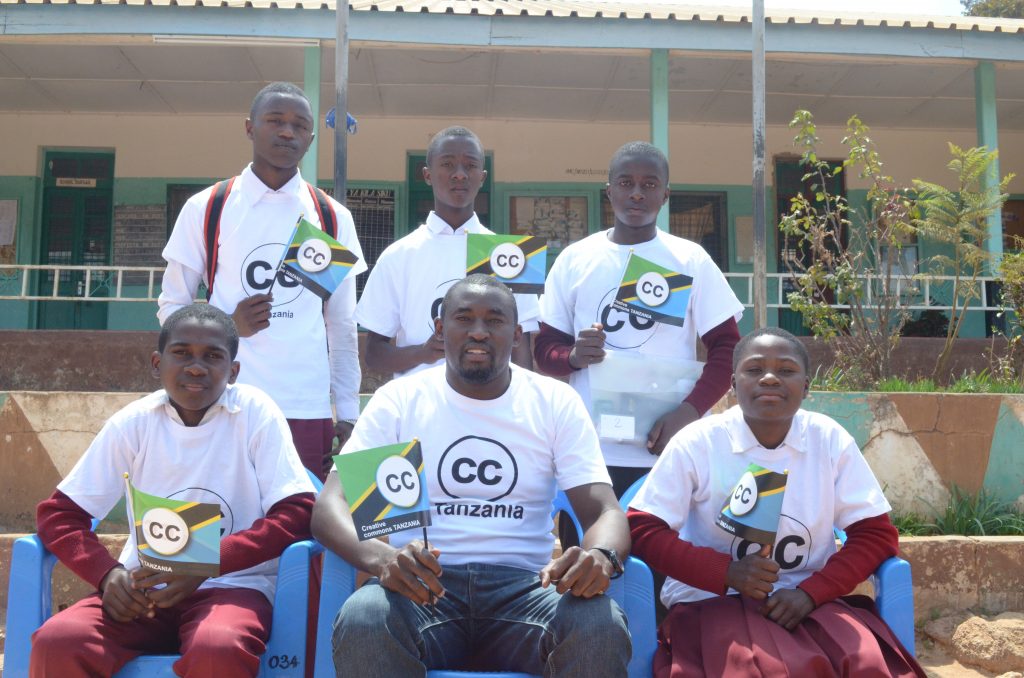
A team of six (6) Creative Commons Tanzania Affiliate members namely; Janeth Ngwilime, Ummy Ahmed, Naima Julius, Erasmus Rukantabula, Emmauel Thomas & Aristarik Maro completed their one day trip via Mikumi National Park to Iringa region by meeting two newly affiliate members Mr. Dioscory Majaliwa and Mr. Mpeli Mwankusye who were local organizers of the event. It is pleasure to have these two energetic and focused brothers to the team. The team is growing bigger every year.
Open Education and Open Government in Chile
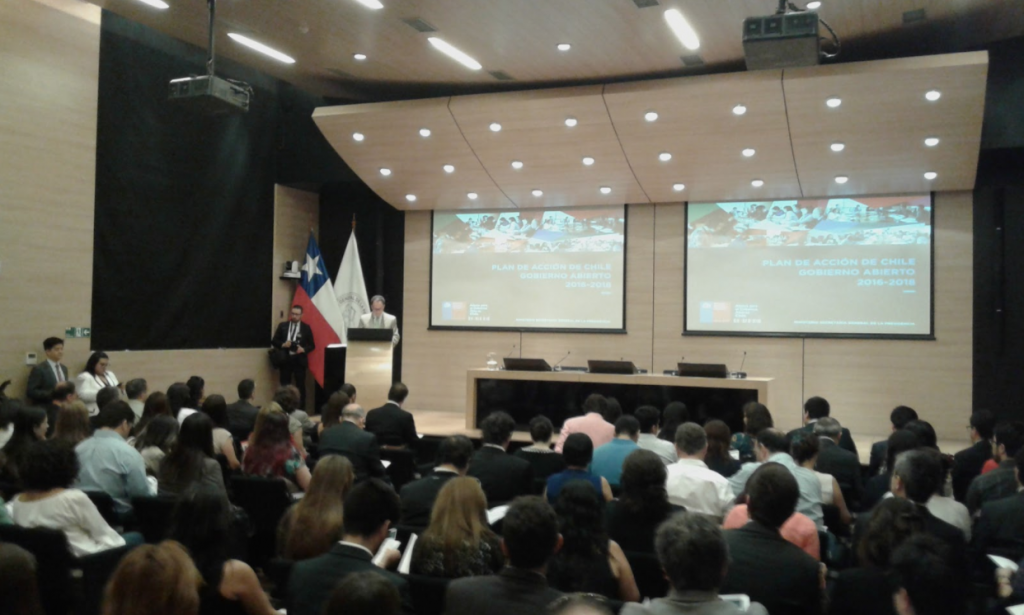 Presentation of Chile’s updated Open Government Action Plan by Werner Westermann, CC BY.
Werner Westermann is a fellow from our first Institute for Open Leadership, held in San Francisco in January 2015. He works at Library of the National Congress of Chile, and is involved in open education projects and advocacy in Chile and internationally.
The 2016 Open Education Conference (Open Ed) was an inspiring experience where I got the chance to meet individuals engaged in innovative and equitable open teaching and learning practices. I was happy to see that open pedagogy is now at the forefront of the OER movement – we see that creating and using OER is now a widely accepted way to improve educational outcomes. We also know that there’s a need to develop strong policies at all levels to promote and sustain OER efforts, especially in K-12 schools. To feed the policy rationale, more and different types of research need to be outlined, specifically those concerning efficacy and impact, which suited my contribution at Open Ed related to the ROER4D project perfectly.
Open Ed also provided the opportunity to connect with Institute for Open Leadership mentors and fellows from both cohorts. It was perfect timing to share an update on our commitments in advocating for open policy. I’ve been working with the Library of the National Congress of Chile to consider adopting an open policy.
After months of waiting, Chile released its 3rd Action Plan 2016-2018 for the Open Government Partnership (OGP). The plan outlines a commitment from the Library of National Congress of Chile entitled “Open Educational Resources for Civic Education” where the following resources will be openly licensed (CC-BY):
- Digital Citizenship Competence Framework: Conceptual definition of competencies organized in dimensions, described observable performance and level of achievement of each competency.
- Curricular and Extracurricular Digital Citizenship Plans composed of:
- Lesson plans and digital resources for the curricular subject of History, Geography and Social Sciences for the levels of 7th and 8th grade.
- Lesson plans and digital resources for an extra-curricular workshop for the development of cross-cutting fundamental objectives.
- Bank of Items for Online Evaluation System: A platform for public and permanent evaluation to measure the competences of digital citizenship.
- Teacher training module: Brief virtual training course (20 hrs.), designed for a self-instructional modality.
The inclusion of this open policy commitment in Chile’s OGP Action Plan is by far my biggest achievement so far in advocating for OER. I believe that the Institute for Open Leadership is a big reason for this success.
Thanks to my mentor Nicole Allen and her work, I recognized OGP as a relevant platform to promote open education policy. When I found out that the construction of Chile’s 3rd OGP Action Plan was going to be developed in part via a public consultation process, I made contact with the OGP officials in Chile related to the Secretary of the Presidency. Following the very clear pathway and recommendations set forth in the paper written by Nicole and Jan Gondol, I presented the benefits and potential for OER and Open Education and described how it made sense within the OGP framework. Initially, the OGP representatives were very skeptical. But I had a productive conference call with Jan from Slovakia and Jennryn Wetzler from the U.S. State Department, who shared with me their experiences incorporating OER into their national OGP Action Plans. After that call I had a solid plan for action.
I was invited to contribute to Chile’s OGP Action Plan with an institutional commitment, but I had doubts on the effectiveness of raising awareness about OER using this platform. Since Chile’s process only accepted institutional contributions, I decided to take the risk and engage my institution through a Digital Citizenship project I’m currently involved with. I was able to participate in the OGP roundtables, which were attended by ministries, governmental departments, and civil society organisations. At that time, the meetings were heavily oriented to open data issues related to environmental and energy concerns. But at the same time, there was some interest to explore the relation between education and open government, so I was happy to talk about the benefits and potential of OER within their broader open government framework.
The participants in the roundtable were receptive to the idea of incorporating open education commitments under the umbrella of our national OGP Action Plan. Later, the OGP convened the Ministry of Education in Chile, and I got the chance to meet and speak with high-level ministry officials in order to explain and advocate for the benefits of OER.
I could have never championed the inclusion of open education policies within our OGP Action Plan without the helpful support of the Institute for Open Leadership and the Open Policy Network. I strongly believe that the visibility of the resources committed in Chile is a strong start for ongoing OER support. On November 18, I will present the resources that we will be creating in a seminar hosted by the Council of Transparency, one of the governmental departments participating in the OGP roundtables.
At the institutional policy level, I would like to translate into Spanish the wonderful work done by IOL second-round fellows Amanda Coolidge and Daniel DeMarte, who this year drafted and released the OER Policy Development Tool. I could see this tool coming in handy with progress within my own institution, along with the already translated resources such as the Commonwealth of Learning’s OER Policy Template and Guidelines for Open Educational Resources in Higher Education. These resources can help to guide and support any institution to build a OER policy, and I can’t wait to deploy them.
There’s so much happening at the policy level in support of OER to improve teaching and learning. In 2017 there will be regional workshops in preparation for the OER UNESCO World Congress that will be held in September. Let’s keep up the fantastic work started by the Institute for Open Leadership. Let’s continue to help each other (and decision makers too) with information, educational resources, solid arguments, and useful research to make productive policy changes within our institutions and governments.
Announcing the official Polish translation of the CC 4.0 License
 For a summary of the changes to the 4.0 license in Polish, please see this post.
We are thrilled to announce our official translation of 4.0 into Polish. The translation process was time-consuming (Polish is a tricky language, believe us), but now all Polish speakers can benefit from the 4.0 licenses in their national language. The latest version has become increasingly popular in Poland (especially among public administration) since its release, but until now, we lacked translation of legal texts – not any more!
Creative Commons Poland coordinated the translation process. The translation draft was prepared by the CC Poland legal team. The draft was put to public consultation from 30 July to 31 August 2016, and at the same time translation was sent directly to the people involved in the earlier translations of CC licenses, IP lawyers, librarians and representatives of cultural heritage institutions. Blogs, social medias and mailing list were used to inform about translation process.
Thank you to the members of CC Poland involved in translation process:
Marcin Serafin – lawyer, legal lead of Creative Commons Poland, a subject-matter expert in the legal translation process.
Katarzyna Strycharz – lawyer, Creative Commons Poland, coordinator of the translation process responsible for managing the process of translation and communication among team members, contact with Regional Coordinators and CC Legal.
Natalia Mileszyk – lawyer, Creative Commons Poland, responsible for process of comments from CC Legal, final publication and contact with CC Legal
Filip Rak – volunteer in Creative Commons Poland, legal help in translation process.
We want to also thank for invaluable help, comments, and support to Alek Tarkowski (policy advisor Creative Commons, public lead in Creative Commons Poland), Klaudia Grabowska (Open Access Lead for Creative Commons Polska) and Kamil Śliwowski (project lead of Creative Commons Poland).
Curtain up on HowlRound, the theater knowledge commons
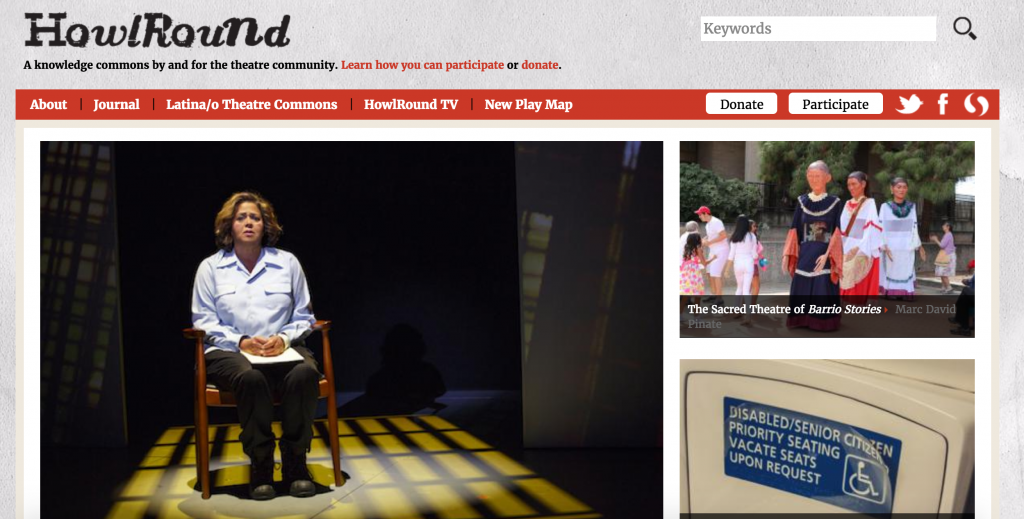
Screenshot of the HowlRound front page. CC BY 4.0
HowlRound was founded five years ago as the “knowledge commons” for the theater community to better include the voices of artists and creators working for inclusivity. The HowlRound organizers we interviewed, Jamie Gahlon, Vijay Mathew, Adewunmi Oke, and Ramona Ostrowski, exemplify the concept of the commons through their commitment to community action, creative output, and creating meaningful, lasting resources for artists and creatives working in theater and beyond.
HowlRound is licensed under a CC BY 4.0 license and run through Emerson College in Boston. They gladly welcome contributors to their Knowledge Commons.
Why a knowledge commons for the theater community? What prompted this project? Why did you decide to license the content via Creative Commons?
When we started HowlRound in 2011, the US nonprofit theatre field was suffering from an imbalance of resources and scarce and elitist access to information and knowledge. It felt like many conversations were happening in institutions behind closed doors and leaving artists out altogether. In order to know what was happening in the world of theatre outside of your own professional network, you had to be invited into elite conferences and festivals. We adopted the model of commons-based peer-production (best exemplified by Wikipedia) and the Creative Commons license as a practical way to usher in, amplify, and reveal the incredible ideas, conversations, and experiences of theatremakers across the country—no matter their previous social standing and access to resources in this microcosm. We also used commons-based peer-production and the Creative Commons license as a critique of and an antidote to the capitalistic values that many nonprofits ironically absorb as organizational behaviors: competition, creation of artificial scarcity, advancement at the expense of others, and individualistic self-advancement.
Using and promoting the Creative Commons has been a way for us to community-organize our field around shared goals and concerns around collective advancement, and collaboration that benefits the whole.
You produce a lot of content but you also host meetups, chat on Twitter, and provide other community events and actions. How do you balance the online community on your site with the in person aspects of your work?
The online platforms (the Journal, HowlRound TV, the Twitter Chats, the forthcoming World Theatre Map) and the in-person convenings amplify each other; all follow the same model of commons-based peer-production. We see our online platforms and in-person work as complementary pieces of a whole. The agendas and content are shaped and managed by the same community of people who self-elect to participate. Our role as HowlRound staff is that of community organizers, facilitators, and systems designers.
What kinds of outcomes have you seen from the commons-based approach that you take?
The democratization and disruption that these platforms have created has made highly visible space for a multiplicity of viewpoints, perspectives, and practices.
It’s been truly revelatory in terms of generating a diversity of narratives about contemporary theatremaking that have been previously marginalized and unheard. People’s stake in and care of this commons is palpable. HowlRound has helped to incubate self-organized movements for equity and community advancement (the Latina/o Theatre Commons is a great example of commons-based practice in action). An orientation towards collective resources that can benefit not just a few, but many — is now our mainstream culture and narrative for this community.
What are you most excited about currently? Any collaborations that are particularly motivating or exciting to you that are upcoming?
We are extremely excited about The World Theatre Map, a user-generated directory of the global theatre community, which will launch in mid-January 2017. Theatre artists, designers, practitioners, and administrators around the world can create profiles, see each other, and find out what kind of theatre is happening in real-time across the globe, and in their local communities. Our hope is that this map will foster connections and collaborations in the global theatre community in a way that hasn’t been done before. All in all, it’s our largest foray to date towards building a truly international knowledge commons for the theatre. It’s also a true test of the commons model—it will only be as valuable as the data and information the community puts in it.
Election resources from the Commons: A guide for Election Day
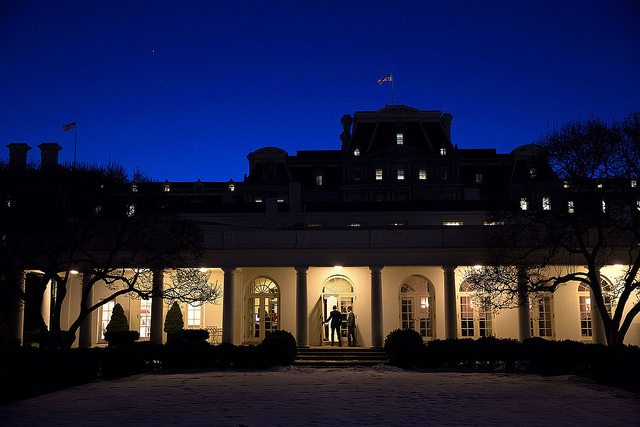
“Chuck Kennedy captured this scene at dusk as the President entered the Outer Oval Office with Shaun Donovan.” (Official White House by Chuck Kennedy) United States Government Work
In the unlikely chance you haven’t noticed, it’s Election Day in the United States. For the past few months, we’ve been sharing resources from the commons to help you get informed, get excited, and most importantly, get voting!
Below are some of our favorite election related resources from this year from the commons:
Open knowledge and intellectual freedom have been key issues this primary season. Creative Commons is proud to provide the tools to release the world’s knowledge through equitability and accessibility. We stand with the American people as they cast their votes today.