We’re excited to announce that the Call for Proposals and Scholarship Applications for the 2020 CC Global Summit is now open! The 2020 CC Global Summit, held May 14-16 in Lisbon, Portugal, gathers those in the open community under the umbrella of learning, sharing, and creating; united by a passion for growing a vibrant, usable commons…
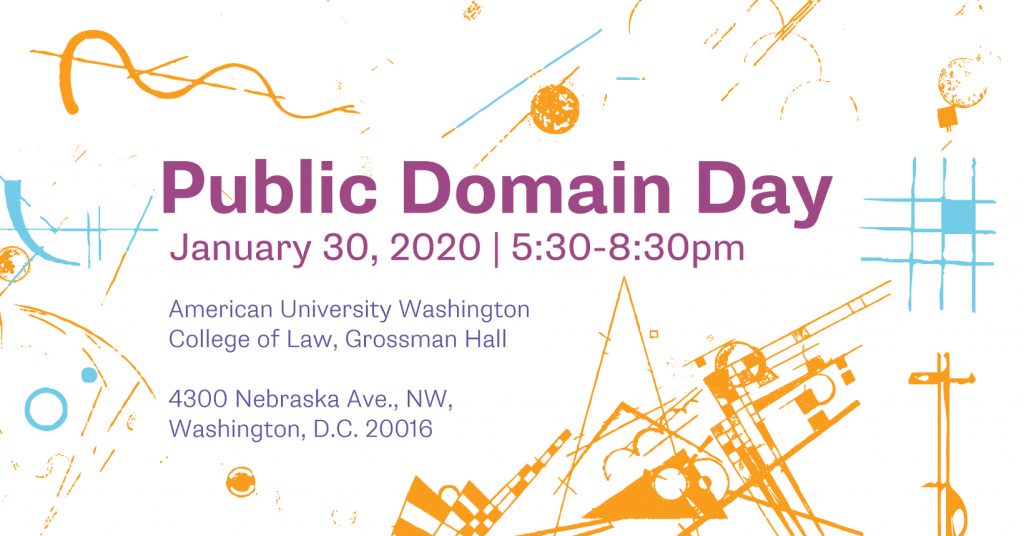
Creative Commons is pleased to be a part of the second annual Public Domain Day (PDD) celebration held in Washington D.C. on January 30, in collaboration with the Internet Archive, the Institute for Intellectual Property & Social Justice, the Program on Information Justice and Intellectual Property, and SPARC. In order to celebrate the public domain…
Creative Commons is pleased to be a part of the second annual Public Domain Day celebration held in Washington D.C. on January 30, 2020! In collaboration with the Internet Archive, the Institute for Intellectual Property & Social Justice, the Program on Information Justice and Intellectual Property, and SPARC, this event will “bring together a diverse group…
Broken Hill Wall Mural-07= by Sheba_Also 43,000 photos is licensed under CC BY-SA 2.0 This post was co-authored by Diane Peters (CC’s General Counsel) and Alexis Muscat (CC’s 2019 legal intern) For the past year or so, CC has been tracking and thinking about strict, less than-amicable enforcement activities involving CC licenses. These activities present…
Despite our best efforts, occasionally there are issues and/or errors in the published legal code for CC legal tools. CC is committed to maintaining static, canonical versions of its legal tools, so we do not make changes to the legal code after it is published. Therefore, when issues or errors are identified, they are documented…
Every Creative Commons license has three layers: the lawyer-readable legal code, the human-readable deed, and the machine-readable code. As the only legally-operative layer, the legal code is the primary layer of the CC licenses. It consists of the text of the licenses, as well as any meaningful formatting and other inseparable elements listed below. The…
Creative Commons regularly works with governments, foundations, and other institutions worldwide to help them create, adopt, and implement open licensing policies. These policies typically require grant recipients to openly license and freely share the work they create with grant funds. We do this to ensure publicly (and privately) funded works are openly licensed and freely…
by
Victoria HeathOpen Culture
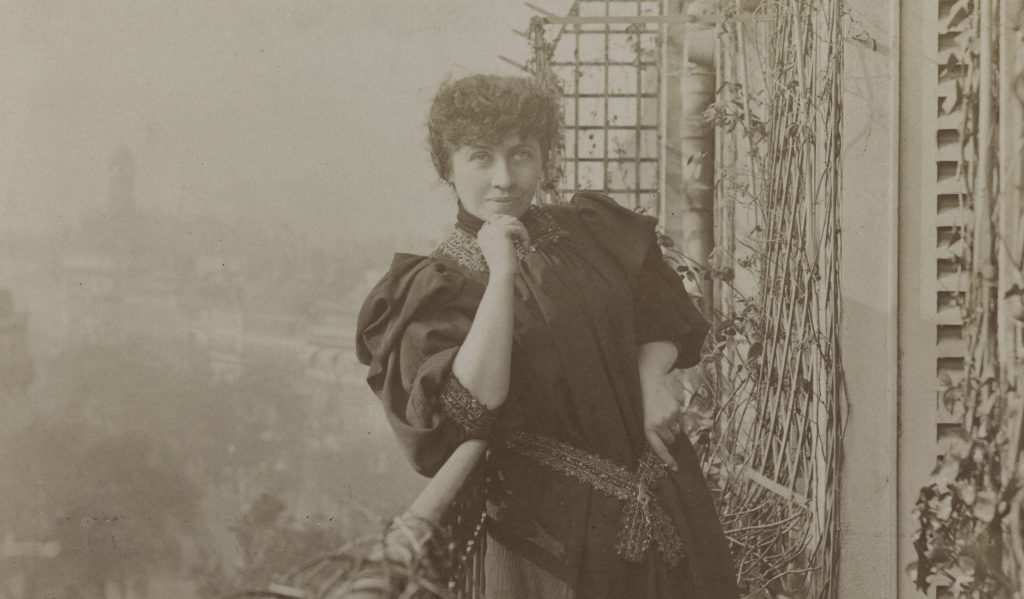
post A portrait of Caroline Rémy (1855-1929), a French feminist journalist. Photo by Paul Cardon.
The Paris Musées’ recently released more than 100,000 works under Creative Commons Zero (CCØ), putting the works into the public domain. They also released their collections’ Application Programming Interface (API), allowing users to “recover, in high definition, several royalty-free images and their records from cross-searches on the works.” Users can scroll through the collection via…
Update: On February 7, 2020, the 9th Circuit Court of Appeals denied Great Minds’ petition for rehearing (opinion (PDF)). As a result, the decision (PDF) of the panel in favor of CC’s interpretation of the licenses remains final. The U.S. Court of Appeals for the 9th Circuit reaffirmed Creative Commons’ interpretation of activities that are permissible under the…
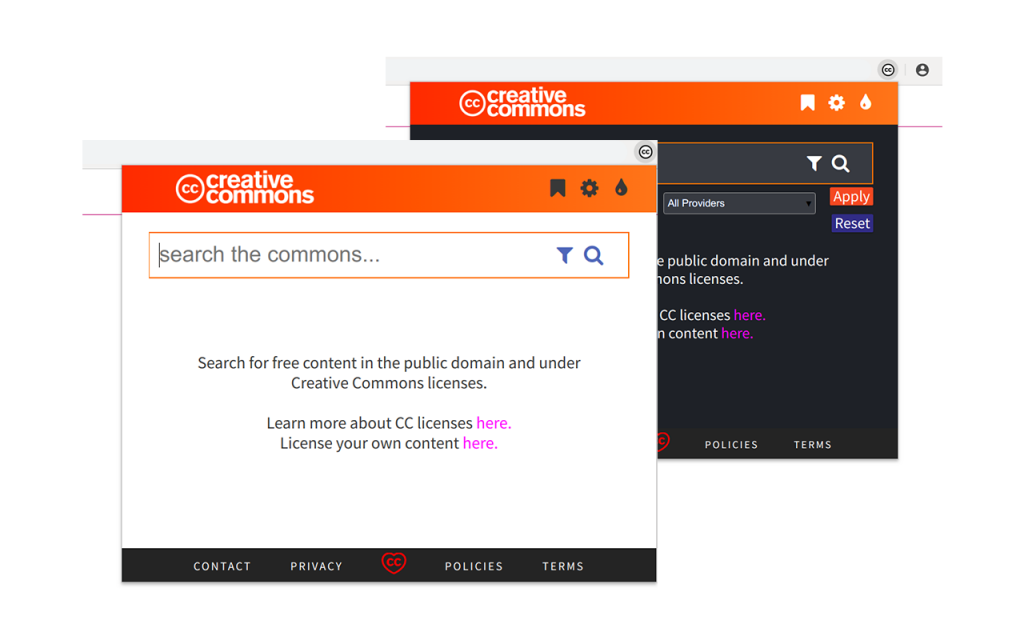
This is part of a series of posts introducing the projects built by open source contributors mentored by Creative Commons during Google Summer of Code (GSoC) 2019. Mayank Nader was one of those contributors and we are grateful for his work on this project. Creative Commons (CC) is working towards providing easy access to CC-licensed…