This post was contributed by Stuart Efstathis for Creative Commons Australia. Image by Sierra_Graphic, CC0 The Australian Productivity Commission has recommended important changes to Australian copyright law that support content creators and users in the digital age. On 29 April 2016, the Commission released a Draft Report on reforms to Australia’s intellectual property laws based…
Masks by Creative Stall licensed under CC BY 3.0 is used to represent Arts & Culture in the featured works on the homepage Search Applications by Rohith M S licensed under CC BY 3.0 is used to represent Use & remix in the quicklinks band on the homepage Justice by Creative Stall licensed…
The toolkit covers the elements for a basic Creative Commons platform integration, including aligning legal terms to CC tools; installing the CC license chooser; displaying CC licensed content with the correct logos and links; and how to communicate CC to your users. Learn More
Law, by Woody Hibbard, CC BY 2.0 Uruguay is in the process of updating its copyright law, and in April a bill was preliminarily approved in the Senate. The law introduces changes that would benefit students, librarians, researchers, and the general public by legalizing commonplace digital practices, adding orphan works exceptions, and removing criminal penalties…
Science! by Alexandro Lacadena, CC BY-NC-ND 2.0 A few weeks ago we wrote about how the European Union is pushing ahead its support for open access to EU-funded scientific research and data. Today at the meeting of the Competitiveness Council of the European Union, the Council reinforced the commitment to making all scientific articles and…
“Arranged Diatoms on Microscope Slides in the California Academy of Sciences Diatom Collection” by california academy of sciences geology is licensed under CC BY-NC-ND 2.0. Empowering open science principles, practices, and policies is essential in meeting our ambitious goal of ensuring all publically funded research outputs are available as open access with a CC license. …
CC Legal’s top priority is to responsibly steward our licenses and public domain tools, ensuring that CC’s existing licenses and legal tools remain relevant, user-friendly, and as effective as possible in service of creators and reusers. Our core activities in support of this priority include: maintaining and updating materials explaining how our legal tools operate,…
1. General Search 1.1 Google Many people start out looking for OER using Google. A general search with Google returns vast amounts of resources, most of which are not openly licensed for reuse. If you want to use Google to search for openly licensed resources we recommend you use Google Advanced Search. Scroll down in…
“Brigham Young University faculty survey seeks to advance open education through academic libraries” by opensource.com is licensed via CC BY-SA 2.0. Opening up and sharing education is necessary if we are going to solve the world’s most pressing challenges! To solve the United Nations Sustainable Development Goals, every person must acquire the knowledge, global citizenship…
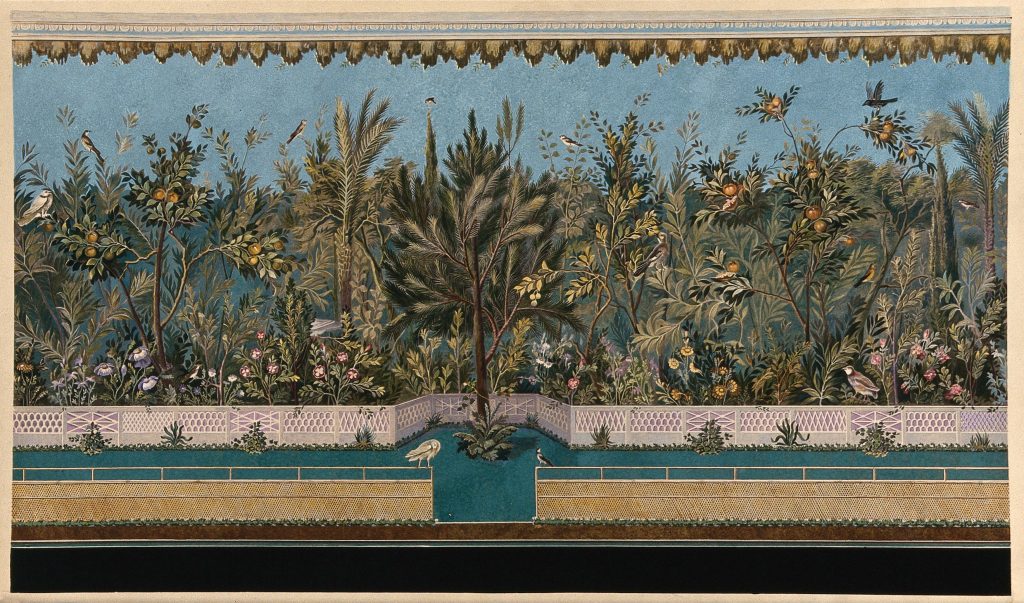
page A border of trees, palms and herbaceous plants from a Roman garden in the 1st century A.D. Coloured photograph.
The power of open culture At Creative Commons, we truly believe in the power of open access to cultural heritage. This type of better sharing helps build and sustain vibrant and thriving societies. Recent open culture news: Read our Open Culture Platform 2024 Year in Review. Cultural heritage gate openers Cultural heritage institutions (CHIs), also…