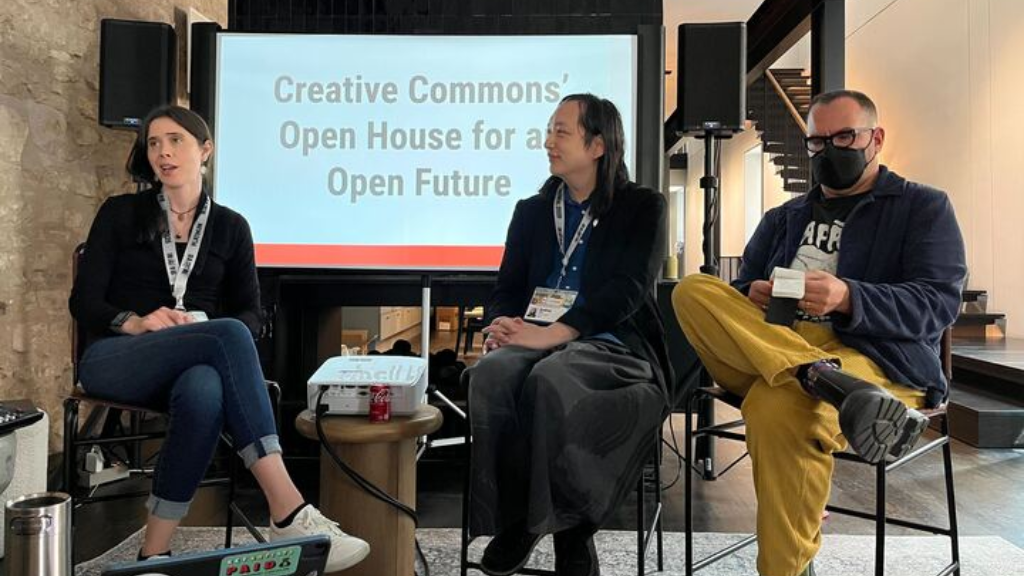
SXSW by Creative Commons is licensed under CC BY 4.0
SXSW by Creative Commons is licensed under CC BY 4.0 If you’ve been following along on the blog this year, you’ll know that we’ve been thinking a lot about the future of open, particularly in this age of AI. With our 2025-2028 strategy to guide us, we’ve been louder about a renewed call for reciprocity…
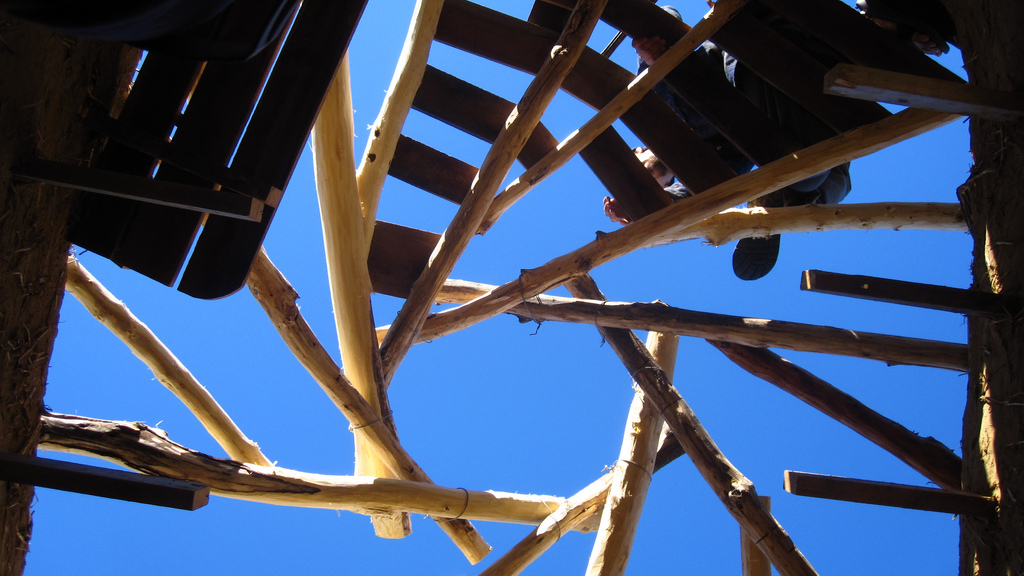
Reciprocal Roof (Shed) by Ziggy Liloia is licensed under CC BY-NC 2.0 A lot has changed in the past few years, and it is high time for Creative Commons (CC) to be louder about our values. Underpinning our recently released strategic plan is a renewed call for reciprocity. Neutrality serves only the status quo and…
CC’s Open Culture work The CC Open Culture Program offers several resources in multiple languages. The OC platform’s Open GLAM Resources working group developed practical resources for the open culture/open GLAM sector, namely a bibliography and glossary. These are essential, foundational resources for greater understanding and capacity building in the open culture community. Learn more…
Sharing your collections and content comes at the last step on the road towards open access, but it is the one that will prove the value of the decision of releasing collections and content. Engaging with the public takes time and work, and it is important that users understand how they can engage with collections…
Among CHIs’ competing priorities, copyright may not be at the top. But copyright is a fundamental part of everyday activities at these institutions, particularly when it comes to digitization and open access projects. Here is a basic overview of some of the important considerations about copyright and digital collections. Big Question / Why It Matters…
Open Culture presents both opportunities and challenges. Understanding them is crucial to making an informed decision on opening collections. This understanding will allow you to take advantage of the positive outcomes and work around the negative ones. Being able to explain the opportunities and plan for the challenges will help you build a strong argument…
The concept of “open” has served different purposes in a variety of fields, from software to scholarly communications, to research and education, to science and culture. Generally speaking, the notion of “open” in these fields often refers to “making something accessible” without financial, technological, or legal restrictions that limit reuse. The cultural heritage sector currently…
Large parts of this course are about creation, both how it works from a legal perspective and more practically, how we learn by making and creating something. In this unit we will explore and practice how to create OER so they can have biggest impact and be used without any legal or technical barriers. Big…
We live in a visual and vibrant culture that requires educators to provide relevant learning resources in the classroom, though finding and reusing others’ great works is not always simple. Librarians play an important role in discovery, development, description, licensing, curation, and sharing of Open Educational Resources (OER), as well as in advocating for and…
Open access content is digital, online, free of charge, and free of most copyright and licensing restrictions on reuse. Open access stands in contrast to the existing “closed” system for communicating scientific and scholarly research. This current approach is slow, expensive, and ill-suited for research collaboration and discovery. And even though scholarly research is largely…