Stay informed. Sign up for CC’s newsletter.
Event Details
Watch the event recording
Twenty-five years ago, Creative Commons gave the world a new vocabulary for sharing through licenses and tools that made openness legible, legal, and actionable. What began as an act of infrastructure became a movement with cultural heritage institutions around the world opening their collections.
In the early 2000s, a handful of trailblazing galleries, libraries, archives, and museums made a radical choice: to digitize their collections and release them freely, without restriction, to anyone in the world. There was no playbook. There was no mandate. There was only a conviction that cultural heritage, the shared memory of humanity, belonged to everyone, and that the internet had made it possible, for the first time, to act on that conviction at scale.
This panel traces that origin story. How did the open culture movement begin? Who were the institutions and individuals willing to go first, and what did they risk? How did CC licenses and public domain tools become the infrastructure that made openness not just a philosophy but a practice? And what did twenty-five years of building this movement teach us about what it takes to change not just institutions, but the systems that govern them?
This is the story of a movement that started with a few courageous institutions and a set of powerful legal tools that grew into a global force for equitable access to our shared human heritage.
Meet the speakers
-
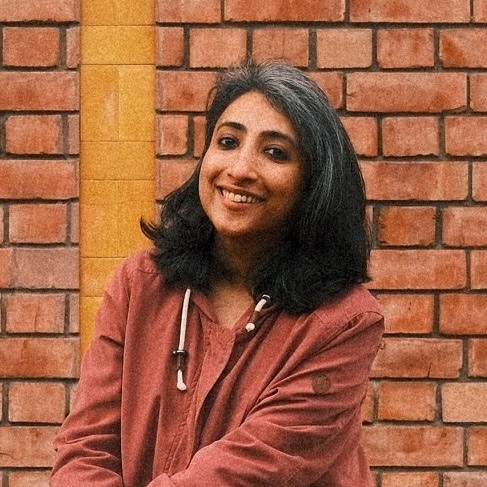
Medhavi Gandhi
Medhavi Gandhi is a cultural practitioner and creator of The Heritage Lab, a platform that engages audiences with archival material in ways that foreground interpretation, context, and close observation. Her work spans writing, research, participatory campaigns, and collaborations with museums, libraries, technology platforms, and cultural organisations across India, Europe, the…
-
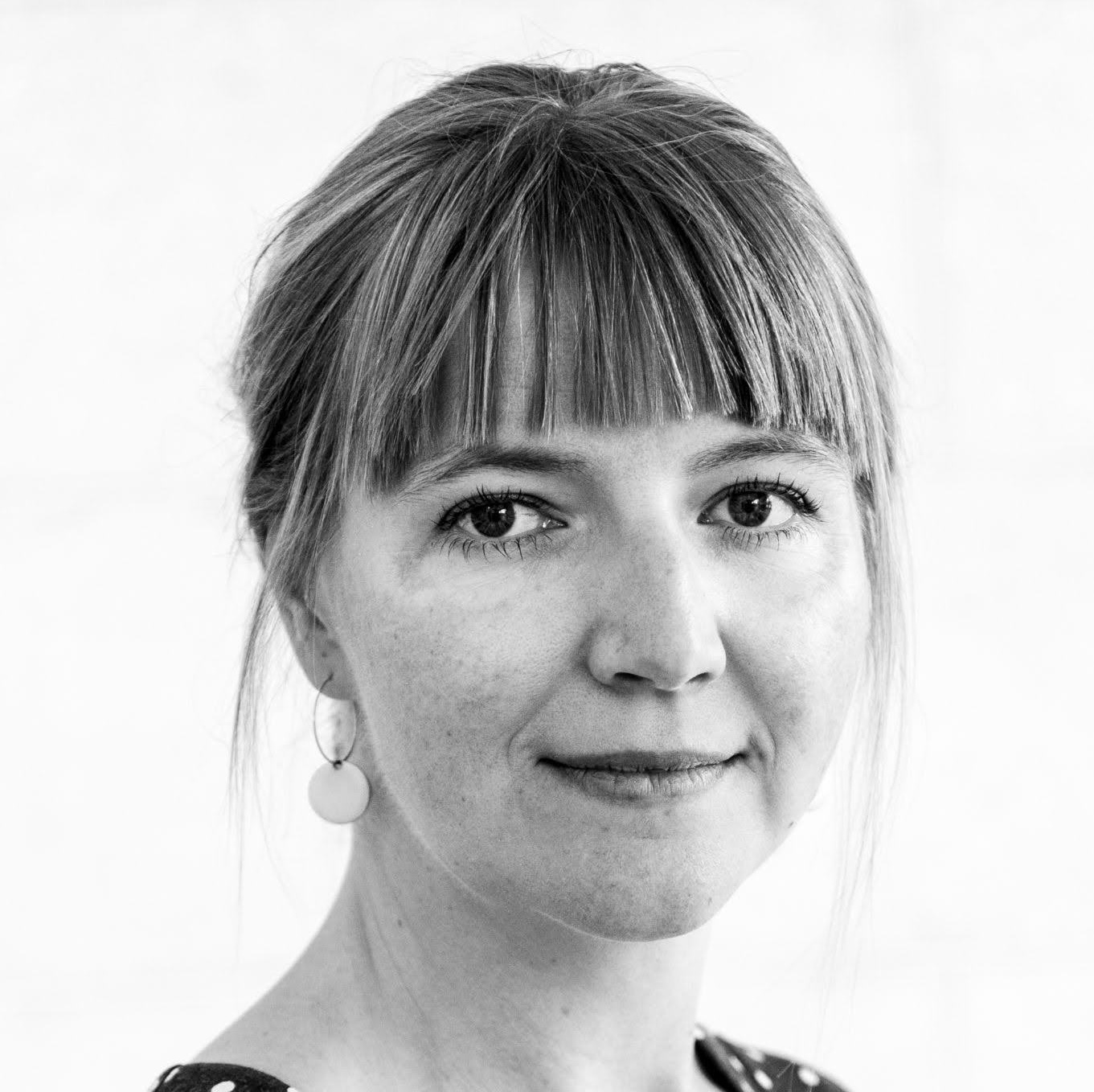
Merete Sanderhoff
Merete Sanderhoff is an art historian working as curator and senior advisor of digital museum practice at SMK, the National Gallery of Denmark. She is part of the team that is responsible for all strategic development and uses of digital technologies across the museum’s operations, keeping a strong focus on…
-
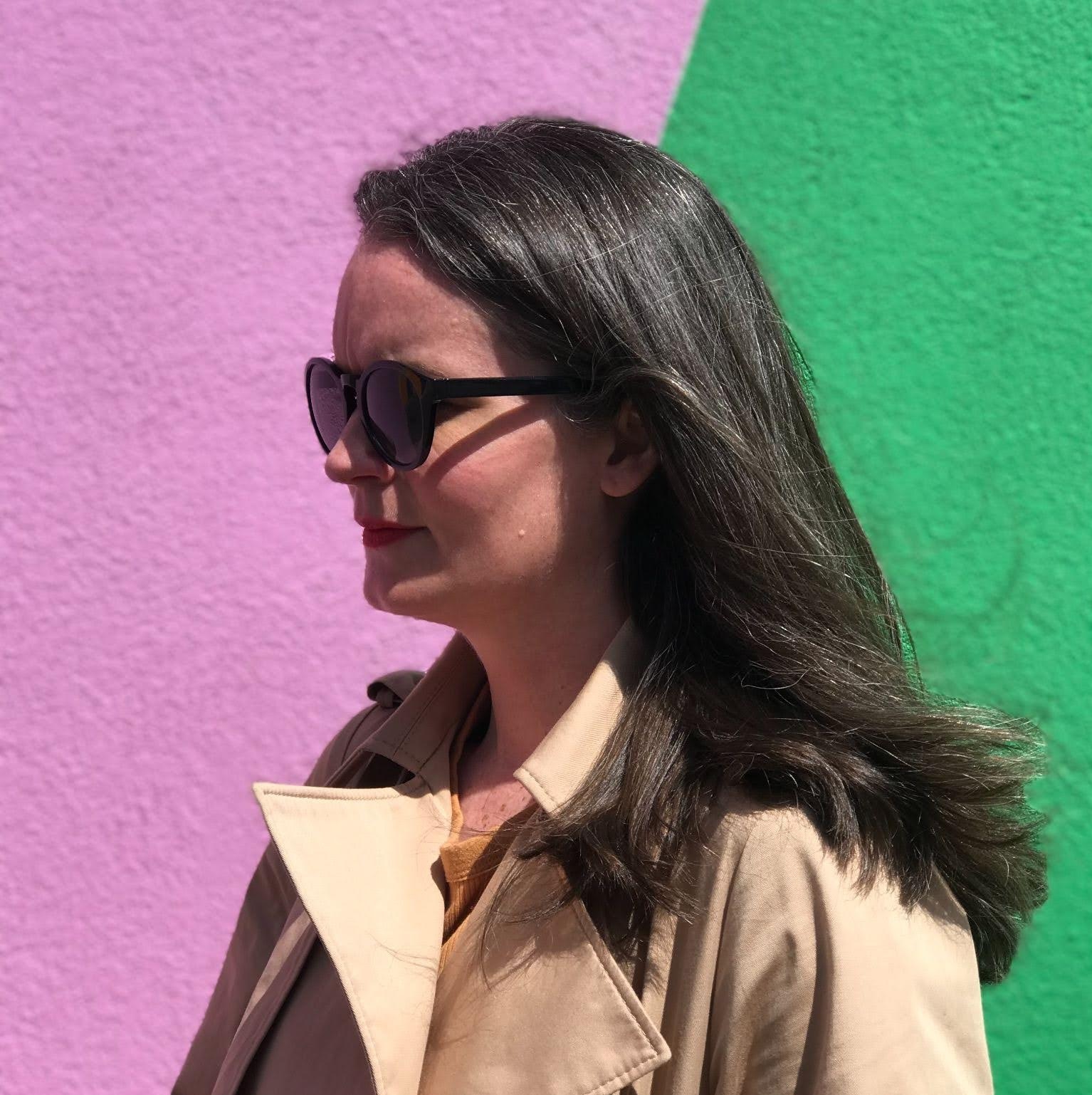
Andrea Wallace
Andrea is Reader in Law at the University of Warwick and UK Director of the GLAM-E Lab. Her research considers the impact of digital technologies on the preservation, interpretation, and dissemination of art and cultural heritage in light of the obstacles and opportunities presented by the digital realm. She regularly…
-
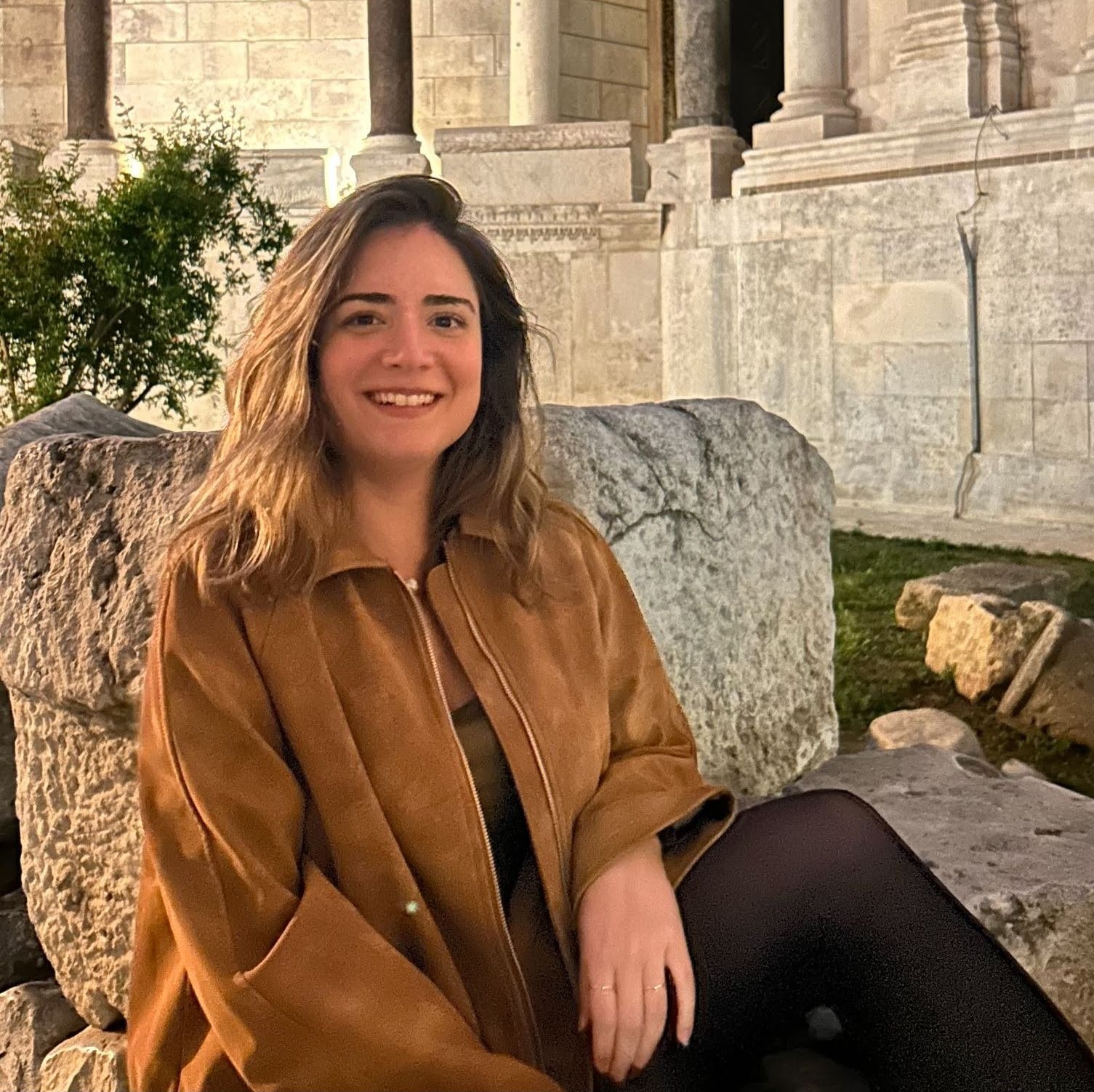
Giovanna Fontenelle
Giovanna Fontenelle is a journalist, historian, and master’s in Social History. She works as a Program Officer at the Wikimedia Foundation, in the Content Enablement team, previously called Culture and Heritage. She’s a member of the Creative Commons Global Network, ICOM Brasil, co-founded WikiMulheres+, and was the general coordinator of…
-
Brigitte Vézina
Director of Policy
Brigitte is passionate about all things spanning culture, arts, handicraft, traditions, fashion and, of course, copyright law and policy. She gets a kick out of tackling the fuzzy legal and policy issues that stand in the way of access, use, re-use and remix of culture, information and knowledge. Before joining CC, she…
attribution: Brigitte Vézina (Photo by Victoria Heath, CC BY)

-
Dee Harris
Director of Communications and Engagement
Dee Harris is a global advocacy strategist and communications leader who has spent her career working in spaces where strategy and story meet, making the case that when they’re aligned, communications become the engine of change. At Creative Commons, she serves as Director of Communications and Engagement, bringing decades of…