Thanks to the CC Open Education Platform community’s time proposing projects and voting on the proposals, we now have five winning ideas to advance open education globally. CC will fund five projects in 2024, spanning Brazil, Ghana, Nepal, and Nigeria. The CC Open Education Platform is also funding ongoing global community work supporting the UNESCO…
As part of the Open Culture Platform’s 2024 work plan, we at Creative Commons are offering funding for community activities. We called for proposals and invited the community to vote on the activities. The projects needed to have a focus on building community through outreach and helping institutions move toward open. Here are the four…
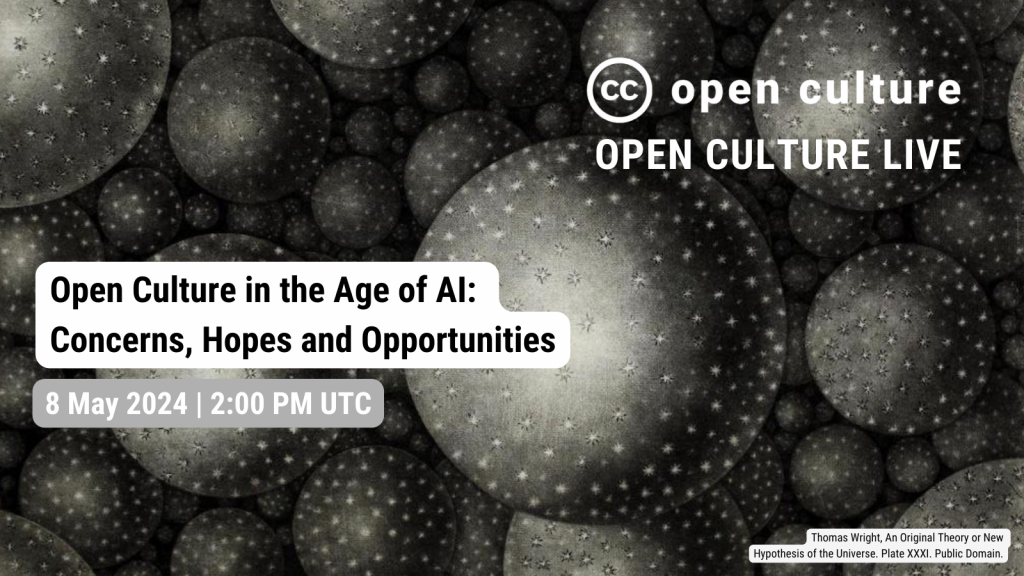
On Wednesday, 8 May 2024, at 2:00 pm UTC, CC’s Open Culture Program will be hosting a new webinar in our Open Culture Live series titled “Open Culture in the Age of AI: Concerns, Hopes and Opportunities.”
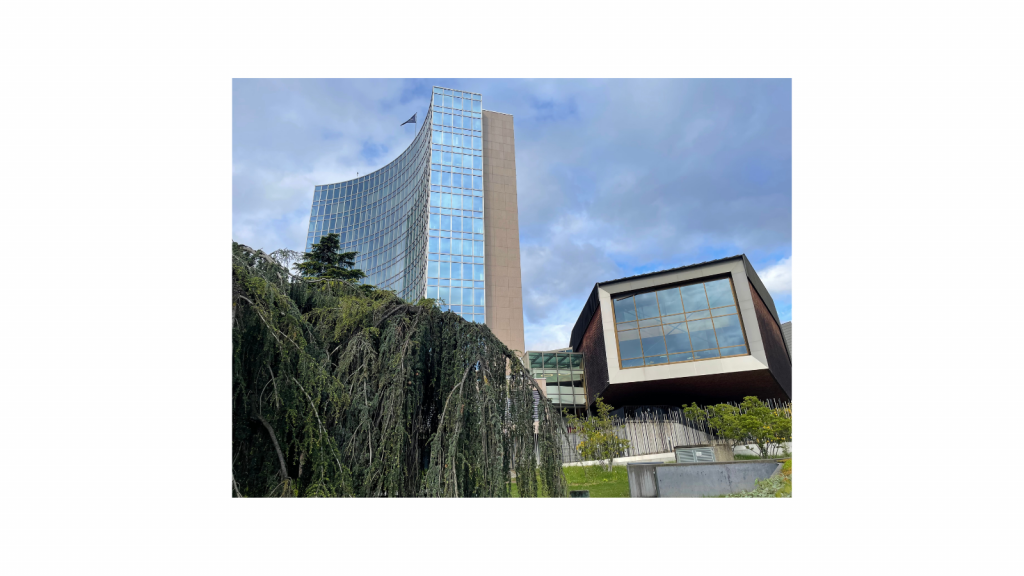
Last week, Creative Commons (CC) participated in the 45th session of the World Intellectual Property Organization (WIPO) Standing Committee on Copyright and Related Rights (SCCR). In this post, we report on the session discussions on exceptions and limitations for cultural heritage institutions (CHIs), a topic of utmost relevance to our Open Culture Program.
We are pleased to present Creative Commons’ 2024 Annual Report. In 2024, we expanded our Open Infrastructure Circle, resourcing our CC license and training work. We advocated for open licensing in the Culture, Science, and Education sectors and consulted with key stakeholders around a possible intervention in service of public interest Artificial Intelligence. We also…
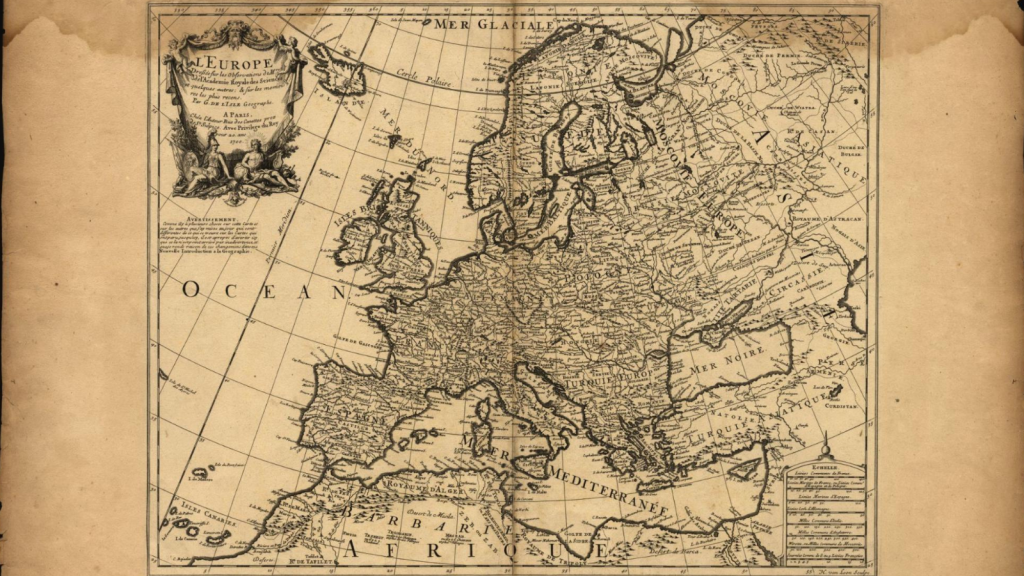
Last month, the European Parliament and Council gave the green light to an important piece of legislation: the European Media Freedom Act (EMFA). In this blog post, we look at the aims of the EMFA and why it matters for Creative Commons (CC) and everyone’s right to access trustworthy information.
Last week, Creative Commons took part in the International Public Domain Day celebration at the Royal Library of Belgium in Brussels. Two engaging roundtables were hosted, delving into copyright issues concerning the public domain and its future. The event united advocates for open access to cultural heritage, featuring presentations on topics like the monetization and decolonization of the public domain, as well as updates on the Europeana Public Domain Charter. Creative Commons introduced new guidelines published in February aimed at encouraging users to reference institutions when utilizing public domain cultural heritage materials.
Creative Commons welcomes the adoption by the European Parliament of the EU’s Artificial Intelligence Act. We engaged intensively with EU policymakers to safeguard the appropriate interplay with EU copyright legislation. The EU must now ensure implementation allows broad, open access to harness the full potential of generative AI whilst enforcing the safeguards provided.