Ever wondered how it must have been for some of the first cultural heritage institutions to embark on their open access journey? Michael Weinberg, Executive Director of the Engelberg Center on Innovation Law & Policy at NYU Law, talked to three major institutions that helped shape the early open GLAM / open culture movement to…
Join Creative Commons, Internet Archive, and many other leaders from the open world to celebrate Public Domain Day 2023. As of January 2023, a treasure trove of new cultural works has become as free as the moon and the stars — at least in the USA and many other countries. And what better way to…
Last Friday (16 December 2022), Creative Commons proudly celebrated twenty years of CC licensing and all the groundbreaking collaboration it has enabled. As we look back on this remarkable journey, time seems to pass more quickly than ever — yet our gratitude for each milestone remains unwavering, as do words of thanks towards everyone who…
Today, Creative Commons (CC) is excited to announce one million US dollars in new programmatic support from the Patrick J. McGovern Foundation (PJMF) to help open large climate datasets. The twelve-month grant will enable CC to conduct key climate data landscape analyses and expand our work, bringing people together to create policy and practices to…
Since its creation in 2001, Creative Commons (CC) has helped release nearly 5 million digital open images of cultural heritage held in cultural heritage institutions using CC tools. We have also been promoting open culture to build a more equitable, accessible, and innovative world, and it is based on this rich experience that our Open…
by
Creative CommonsCopyright
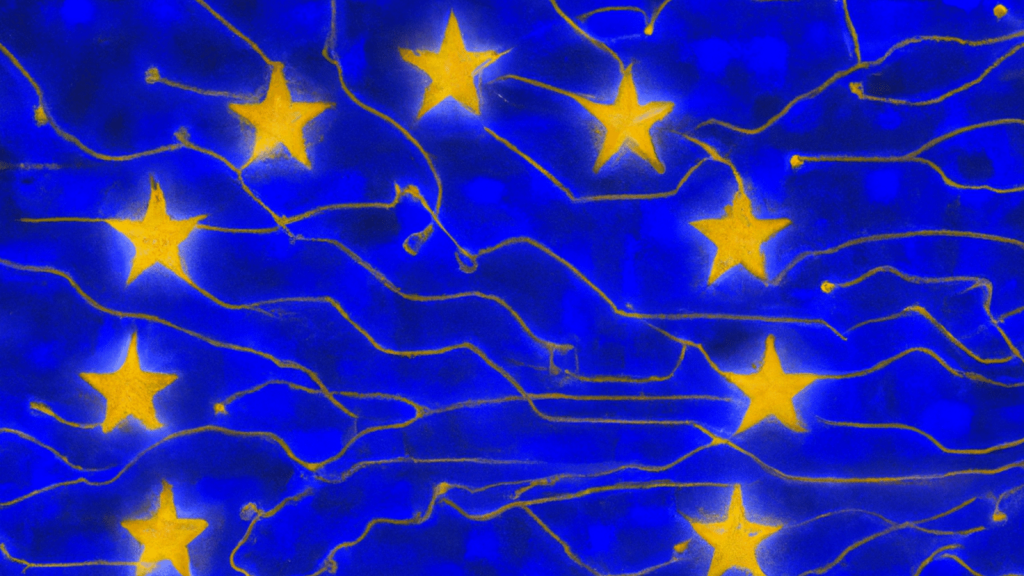
post "EU Flag Neural Network" by Creative Commons was cropped from an image generated by the DALL-E 2 AI platform with the text prompt "European Union flag neural network." CC dedicates any rights it holds to the image to the public domain via CC0.
As we’ve discussed before, the European Union has been considering a new AI Act, which would regulate certain uses of artificial intelligence (AI). In particular, it seeks to ban certain uses of AI, such as broad-based real-time biometric identification for law enforcement in public places, and to ensure that certain precautions are taken before deployment…
As the year comes to a close, we’re spotlighting Creative Commons’ public policy work, recapping what we’ve done and looking ahead to the new year. In this edition, we turn to our work on better sharing of data. The sharing of open data can be incredibly beneficial to society: facilitating enhanced scientific collaboration and reproducibility,…
During 2021–2022, CC has been celebrating the 20th anniversary of our founding in 2001 and the first release of the CC licenses in 2002, successfully concluding an ambitious fundraising campaign to support programs like Open Culture, Open Climate, and Open Education, and to help ensure CC’s ongoing sustainability. In November 2022, CC brought the 20th anniversary celebration to an official…
As the year comes to a close, we’re spotlighting Creative Commons’ public policy work, recapping what we’ve done and looking ahead to the new year. In this edition, we turn to our work on artificial intelligence (AI). Recently, you might have seen the news headline “Art Made With Artificial Intelligence Wins at State Fair,” or…
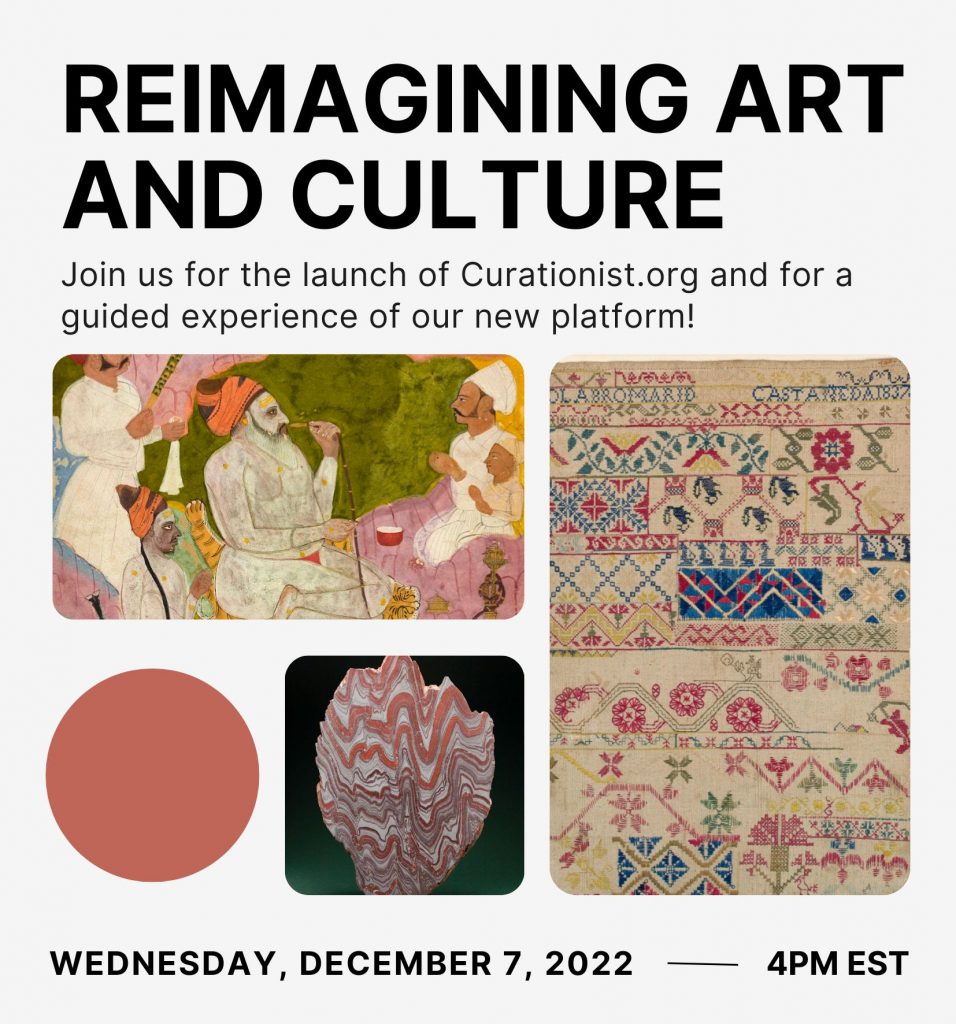
Exciting news — an initiative of the MHz Foundation, Curationist.org, a free-to-use platform that connects users to over 4.4 million digital artworks and cultural objects, recently relaunched with some amazing new features. On 7 December, they will host a guided experience of the new platform, and we hope to see you there. Register now. The…