The EU’s political institutions announced that they have reached a tentative final agreement. While details are still not finalized and many questions remain regarding treatment of certain high-risk systems, the agreement appears promising relative to the recent Parliament text and from the perspective of supporting open source, open science, as well as on copyright.
CC has long been at the forefront of enabling innovation and promoting access to knowledge and creativity. The Creative Commons 2023 Summit brought together creators, academics, technologists, and policymakers from around the world to discuss the future of open culture and how CC can continue to drive positive change. This blog post reflects on the key challenges of the summit and shares the insightful learnings that emerged from these discussions.
Dave talks about how many “institutions are on a mission to expose their collections to the world and make them available for everyone.” Dave sees this as a major evolution from a time not too long ago when it was only those with means who could access collections in any way. Open Culture VOICES is…
In August, the United States Copyright Office issued a Notice of Inquiry seeking public responses to 34 questions (and several sub-questions) about the intersection of copyright law and artificial intelligence. The comment period closed on 30 October with over 10,000 individuals and organizations responding, representing a broad spectrum of interests on how copyright should apply in relation to generative AI. CC joined in the conversation to provide our own thoughts on copyright and AI to the copyright office.
Kyle believes that “the artistic and creative expressions of humanity is the best way to experience our human efforts” and open GLAM makes this a reality for much more than what you can see on a given day in a museum. Open GLAM also helps drive more digitization of collections around the world in an…
CC Licenses make it possible to share content legally and openly. Over the past 20 years, they have unlocked approximately 3 billion articles, books, research, artwork, and music. CC’s Legal Tools are a free and reliable public good. Yet most people are unaware that their infrastructure and stewardship takes a lot of money and work to maintain. That’s why we’re launching the Open Infrastructure Circle (OIC) — an initiative to obtain annual or multi-year support from foundations, corporations, and individuals for Creative Commons’ core operations and license infrastructure.
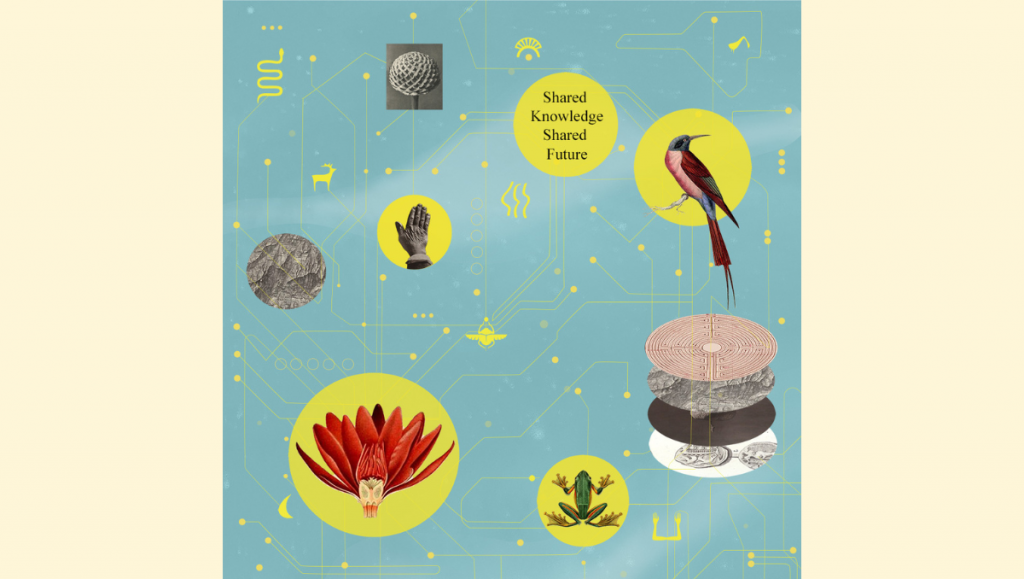
Each month throughout 2023, we will be spotlighting a different CC-licensed illustration from the collection on our social media headers and the CC blog. For November, we’re excited to showcase “Shared Knowledge, Shared Future” by Colombian illustrator, Luisa Brando.
Maarten believes that “Open GLAM is a necessity of a disbalanced copyright framework.” Maarten talks about how open access policies help institutions achieve their public missions. Open access policies in instutions provides good evidence that society and communities need access to cultural heritage to flourish. Open Culture VOICES is a series of short videos…
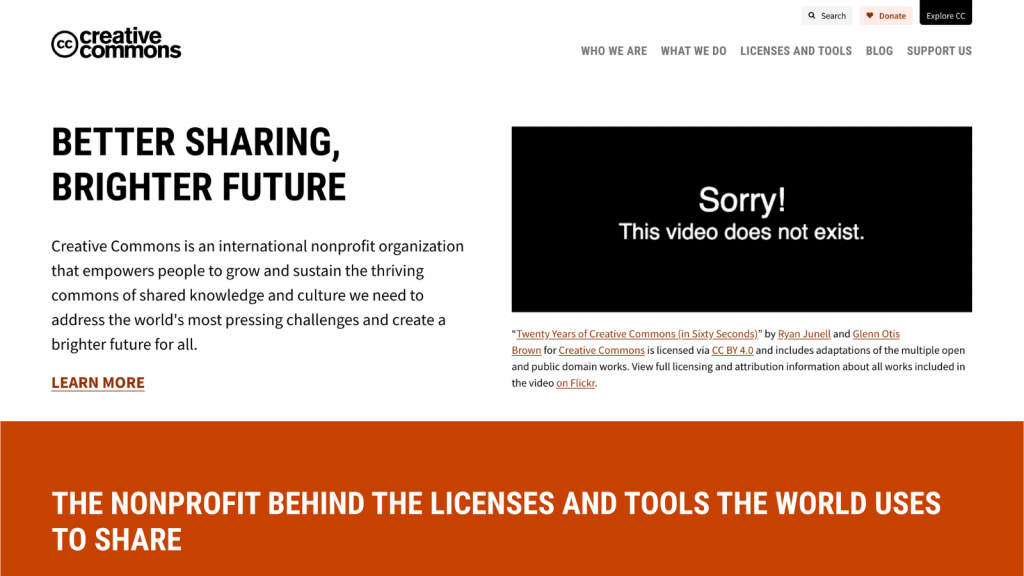
A key video disappeared from the CC home webpage after the video hosting service Vimeo tagged the open work with an invalid automated copyright violation takedown notice. Learn more about what happens when automated copyright filters go wrong.
Marike van Roon shares that “the main benefit of open culture is accessibility” because if you are not fortunate enough to be part of organization that pays for you to have access to collections and you don’t live in city with public collections it’s almost impossible to access a lot of cultural heritage. In this…