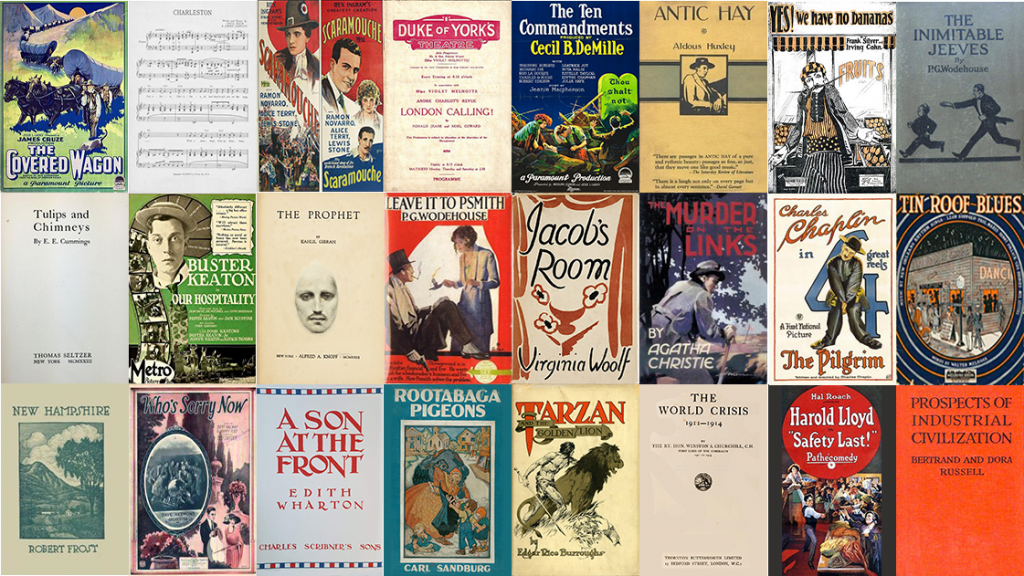
The following is a guest post by Creative Commons community member Sebastiaan ter Burg. In January 2020 there will be events all over the world to celebrate the fact that new works have entered the public domain. The country where a work is published determines when copyright expires. For example, where I’m from in the…
The Creative Commons (CC) Global Network is made up of people like you. People who are attracted to the CC Global Network because of what can be accomplished by building a globally-accessible public commons of knowledge and culture through CC’s tools and products. In 2016, CC released an assessment of the community in the Faces…
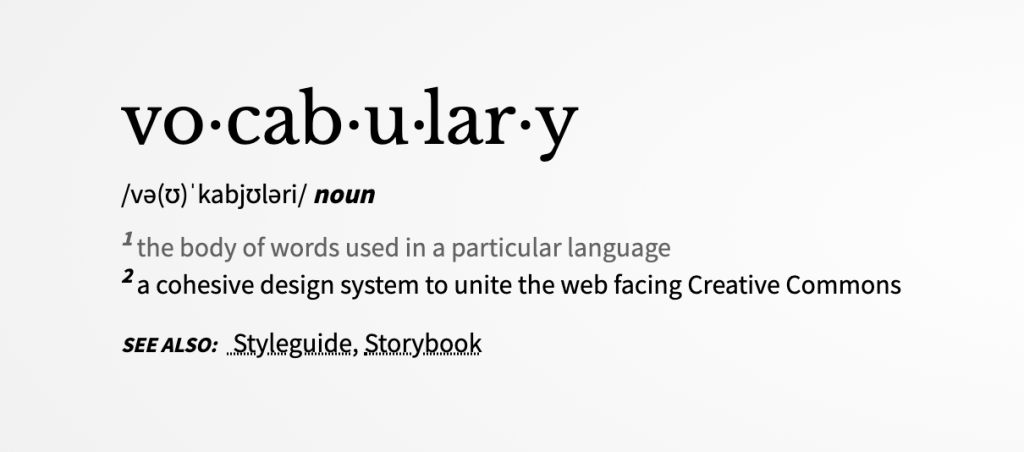
This is part of a series of posts introducing the projects built by open source contributors mentored by Creative Commons during Google Summer of Code (GSoC) 2019. Dhruv Bhanushali was one of those contributors and we are grateful for his work on this project. Over the past few months, we’ve been working on CC Vocabulary,…
After running 26 CC Certificate courses, and certifying hundreds of graduates, CC is exploring the way the courses impact graduates and their communities. In this interview, we highlight one CC Certificate graduate’s work within Connecticut, a #GoOpen state, and celebrate the momentum he’s built in open education. This interview is with Kevin Corcoran. Kevin is the…
We’re happy to announce the selection of our 2020 interns from Outreachy—a remote internship program that “supports diversity in free and open source software.” Over the next three months, these interns will work with several members of the Creative Commons’ team on three different projects related to the CC Vocabulary, the CC License Chooser, and…
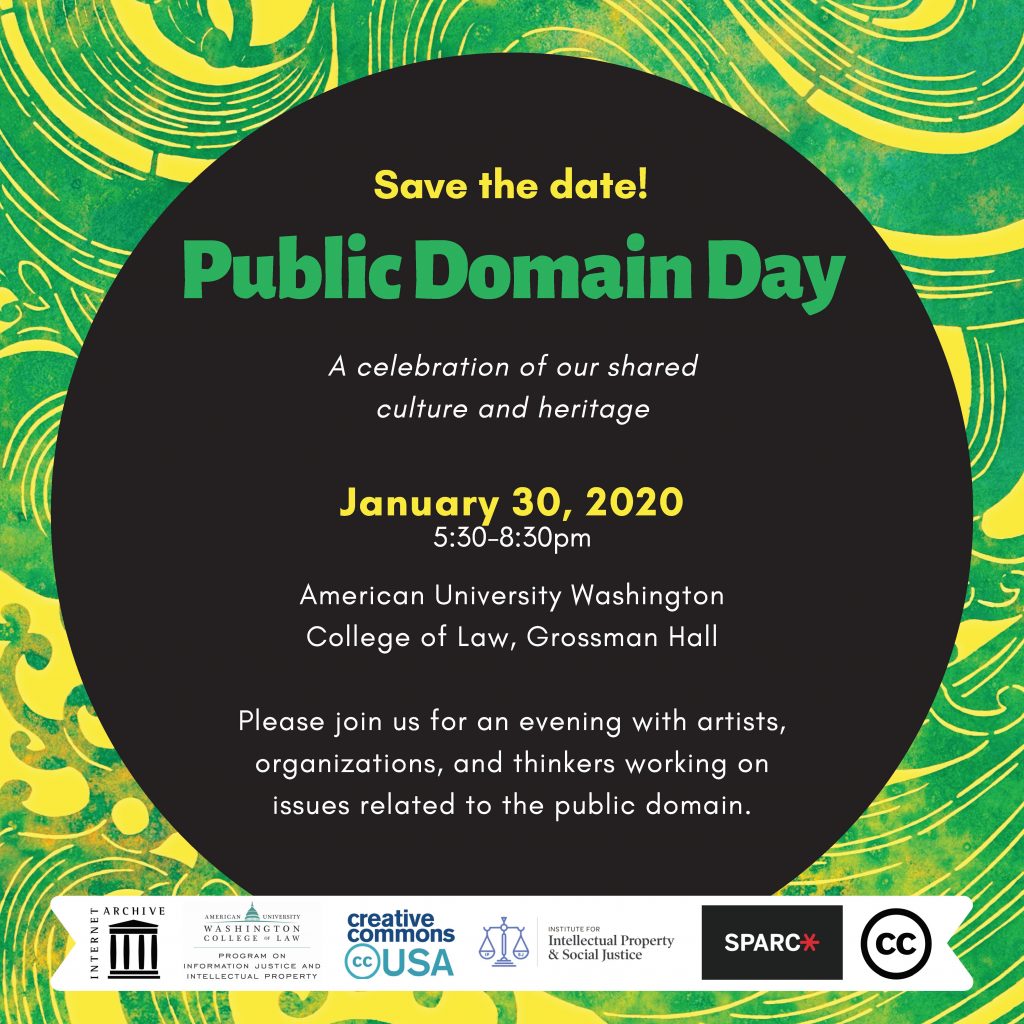
Creative Commons is thrilled to announce that the second Public Domain Day celebration is happening on January 30, 2020 in Washington, D.C. We’re working with our friends at the Internet Archive, the Program on Information Justice and Intellectual Property at American University Washington College of Law, Creative Commons USA, the Institute for Intellectual Property &…
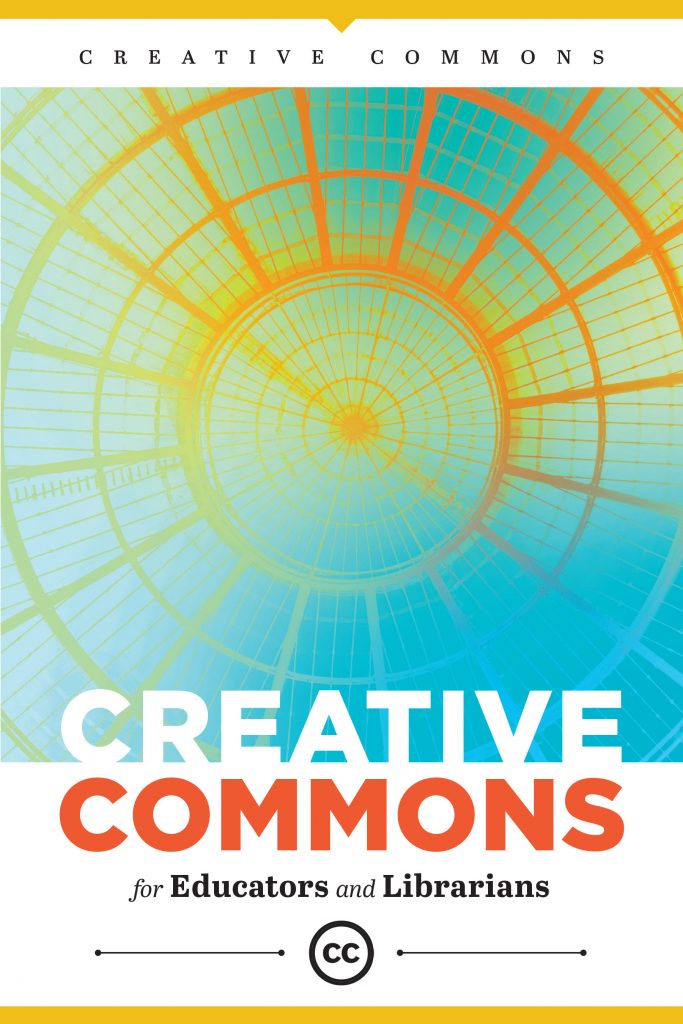
We’re happy to announce that our collaboration with the American Library Association (ALA) to create the print companion to the CC Certificate has finally come to fruition! The book, Creative Commons for Educators and Librarians, is now published under CC BY and offers an additional way to access the openly licensed CC Certificate content. It’s…
In just over a year, we’ll celebrate our 20th anniversary—and although this is the perfect time to reflect on our history, we’re also looking to the future by improving our products and services in order to serve you better. With that in mind, we’re excited and proud to announce that we’ve been awarded an Amazon…
The term “global commons” usually brings to mind the biosphere’s natural resources that everyone shares and benefits from, like water or air. But the global commons is also home to what’s called the noosphere—all the resources and artifacts created by human reason and scientific thought, such as music, art, language, and research. Creative Commons has…
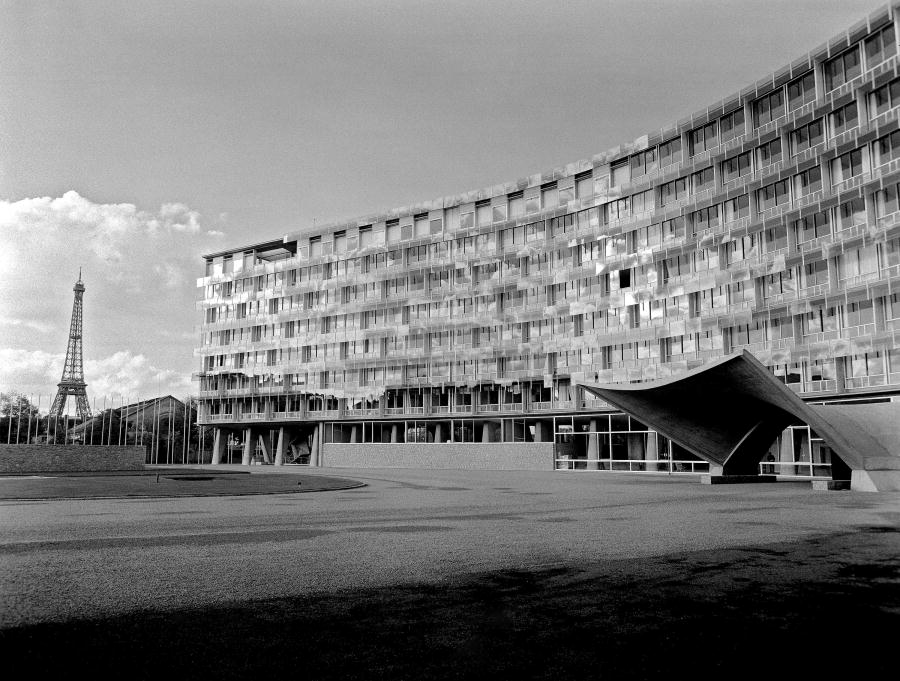
The UNESCO Open Educational Resources (OER) Recommendation was unanimously adopted on November 25 by 193 UNESCO member states at the 40th UNESCO General Conference. This milestone offers a unique opportunity to advance open education around the world. Why does it matter? This Recommendation is an official UNESCO instrument that gives national governments a specific list…