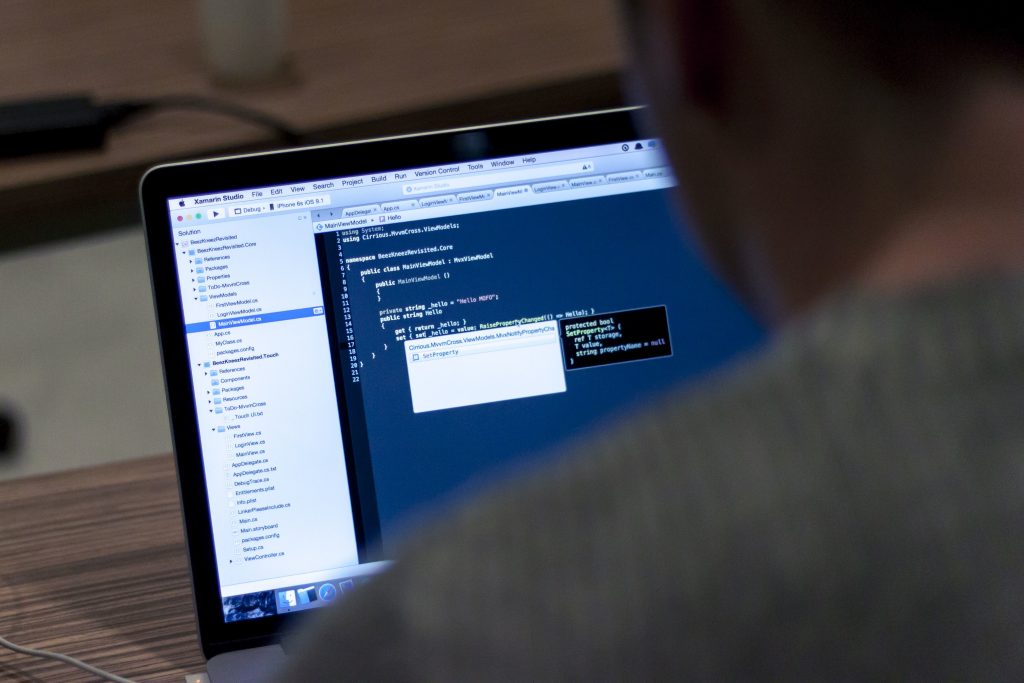
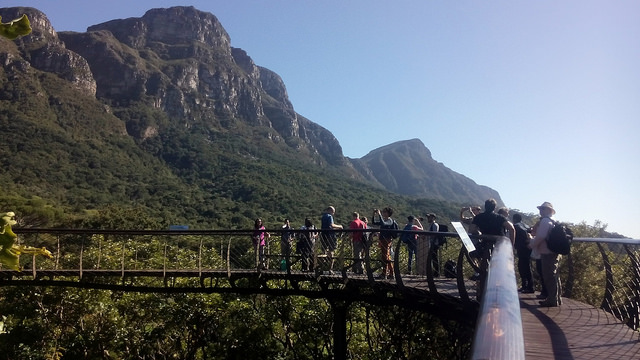
Photo by Tirza van Dijk, CC0. A few weeks ago we submitted comments to the Office of Management and Budget’s (OMB) draft federal source code policy. The purpose of the policy is to improve access to custom software code developed for the federal government, and would require that: (1) New custom code whose development is…
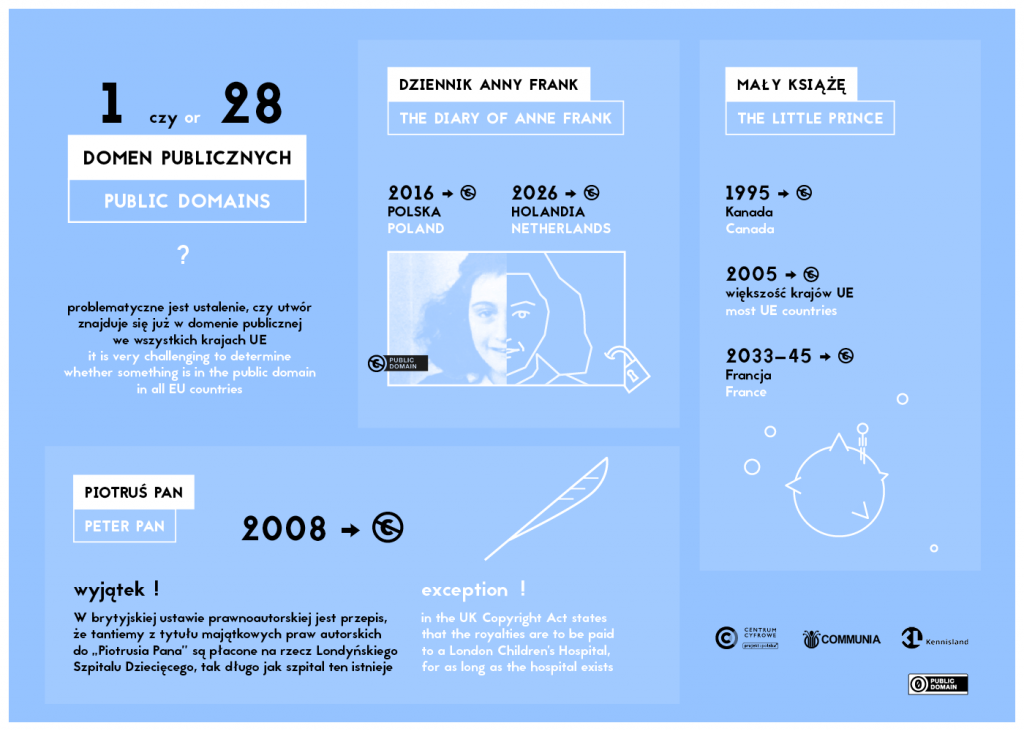
The original writings of The Diary of Anne Frank should have entered the public domain on January 1, 2016. They should have become freely accessible to everyone who wants to read and experience this important cultural work. Instead, the texts remain clogged in the pipes of EU copyright law. In some countries like Poland, the…
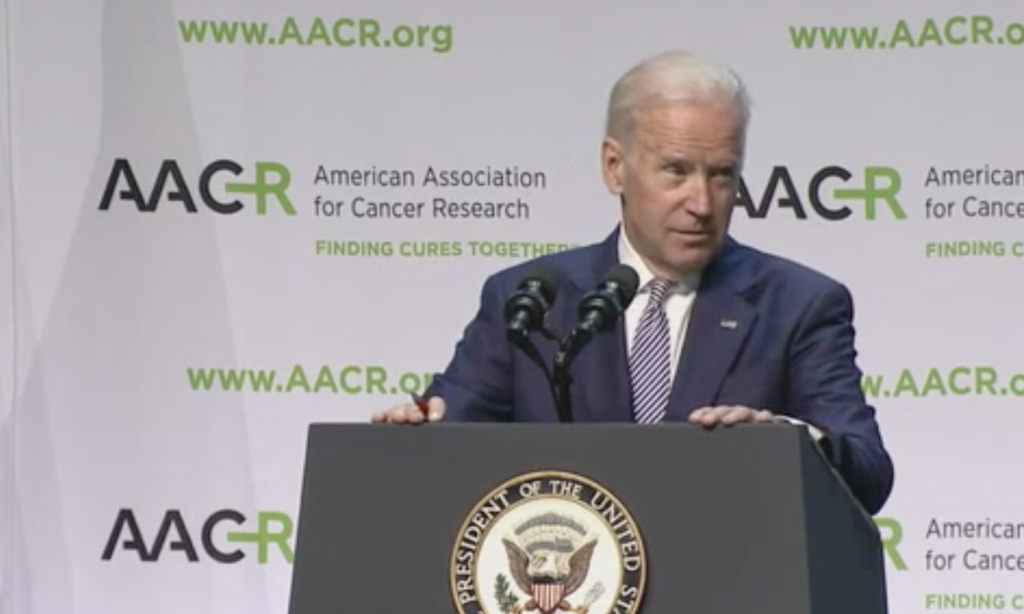
On Wednesday in New Orleans, U.S. Vice President Joe Biden spoke at the convening of the American Association for Cancer Research on the need to speed up scientific research, development, and collaboration that can lead to better cancer treatments. Vice President Biden is leading the National Cancer Moonshot Initiative, which aims to accelerate cancer research…
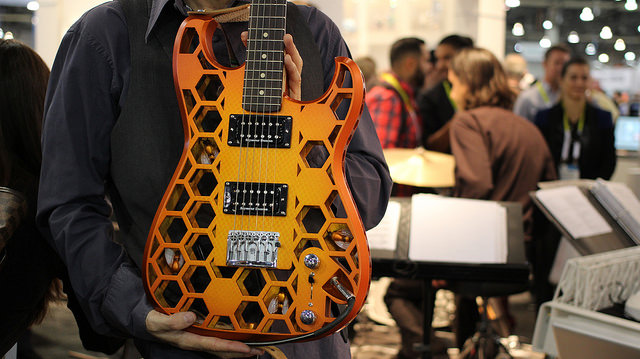
How should we attribute authors of CC-licensed 3D designs once that design has been used to print a 3D physical object? The challenge of attribution, or “view source,” for 3D printed objects, is widespread in the 3D printing community, an active part of CC’s larger network. It is multi-layered and speaks to existing needs by…
In March we hosted the second Institute for Open Leadership, and in our summary of the event we mentioned that the Institute fellows would be taking turns to write about their open policy projects. First up is Amanda Coolidge, Senior Manager of Open Education at BCcampus. I have been in the field of open education…
Earlier this month, the fine folks of Creative Commons Japan hosted a beatmaking event at Bigakko, an innovative art education center in Tokyo. A quartet of up and coming Japanese electronic music producers—Madegg, Metome, Foodman (best name ever), and Canooooopy—were issued a challenge: Create brand new remixes of CC-licensed tracks found online. The musicians had exactly four…
“eBook” (CC BY-NC-ND 2.0) by Jonas Tana This is a guest blog post written by Alek Tarkowski, Director of Centrum Cyfrowe and co-founder of Creative Commons Poland. On April 14, 2016, 60 experts from 30 countries are meeting in Kraków, Poland for the first OER Policy Forum. The goal of the event is to build on the…
A new Open Education Search App is available as part of the U.S. Department of Education’s #GoOpen campaign, a commitment by 14 states and 40 districts to transition to the use of high-quality, openly-licensed educational resources in their schools. The search app pulls in data from the Learning Registry and works within any Learning Tools Interoperability…
FELLOWS’ UPDATES: Alessando Sarretta: Open Practices and Policies for Research Data in the Marine Community Jane Frances-Agbu: Pondering the Future of Open Education in Nigeria Roshan Kumar Karn: Building an Institutional Open Access Policy In Nepal Fiona MacAlister: Cultivating a Culture of Knowledge Sharing Juliana Monteiro: Creative Commons and Museu da Imigração: notes on a Brazilian experience Katja…
Over 2.5 billion CC-licensed works exist across millions of websites. The majority are hosted on content platforms that provide CC license options for their users. Platforms that support CC licenses make it easy for users to discover and collaborate on images, video, music, research and educational texts. This page highlights some of the best known…