From CC Macedonia (via Metamorphosis): “Creative Commons Content Portal for Macedonia published Macedonian translations of eleven Shakespeare plays as downloadable e-books, made available by the renowned storyteller and translator Dragi Mihajlovski. The e-books have been published in weekly batches of two to three PDF-files between the 8th of February and the 20th of March 20,…
During last week’s Senate hearing on the Broadcast Flag, Senator Ted Stevens revealed that his daughter had recently bought him an iPod — and that he enjoys using it to listen to ripped CDs. In turn, IPac has launched a drive to collect money to buy iPods for other senators who work on technology legislation.…
In the spirit of fuller liner notes and proper attribution, I’d like to take a few minutes to point out a few things I am particularly grateful for — specific accomplishments of specific Creative Commoners that may not have yet been attributed fully enough to them. (I tried to start doing this a few months…
by
Anna TumadóttirAbout CC
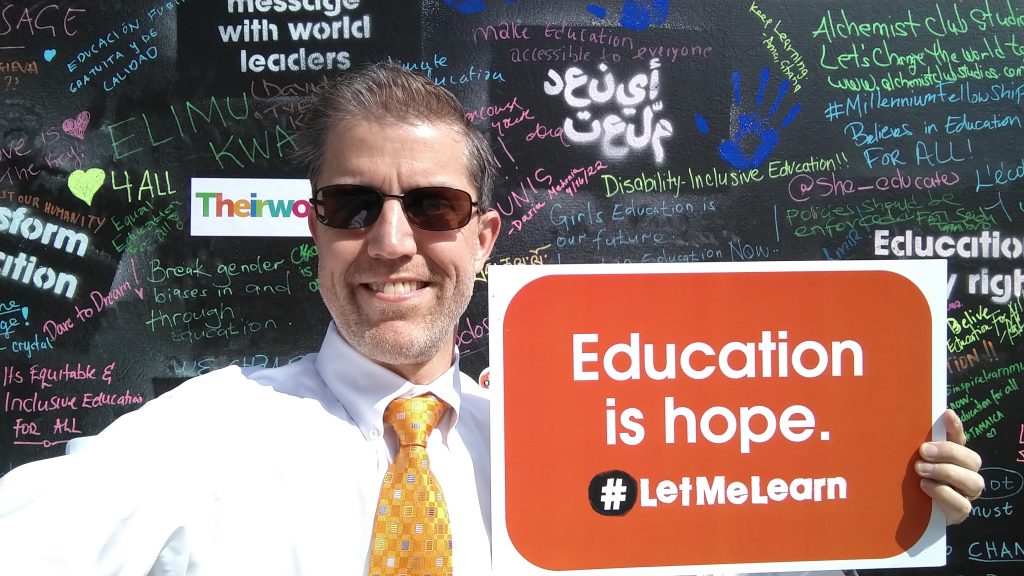
post "Kaleidoscope 2" by Sheila Sund is licensed under CC BY 2.0, remixed by Creative Commons licensed under CC BY 4.0
This year marked the first year of a new strategic cycle for Creative Commons, and it began amid profound change. The ground beneath the open internet continues to shift. Powerful technologies, driven largely by multibillion-dollar companies, are reshaping how knowledge and creativity are shared online, concentrating power in the hands of a few and testing long-standing assumptions about openness and access.
As we look back on 2025, it’s clear that the internet as we know it is changing. Information is being removed from the web or locked away. We are experiencing a crisis in the commons, driven in part by current AI development practices. New systems are emerging in response—from content monetization schemes and licensing agreements designed to protect large rightsholders, to the ongoing morass of lawsuits about how AI services are using content as data. We are in the midst of a major reconfiguration of how we share and reuse content on the web.
As we’ve discussed before, the rise of large artificial intelligence (AI) models has fundamentally disrupted the social contract governing machine use of web content. Today, machines don’t just access the web to make it more searchable or to help unlock new insights; they feed algorithms that fundamentally change (and threaten) the web we know. What once functioned as a mostly reciprocal ecosystem now risks becoming extractive by default.
At Creative Commons, we’ve long believed that binary systems rarely reflect the complexity of the real world—nor do they serve the commons very well. The internet, like the communities that built it, thrives on nuance, experimentation, and shared stewardship. That’s why we’re continuously working to introduce choice where there has been little, and to advocate for systems that acknowledge the diversity of values and needs across the web.
by
Brigitte Vézina,
Dee HarrisOpen Culture, Open Heritage
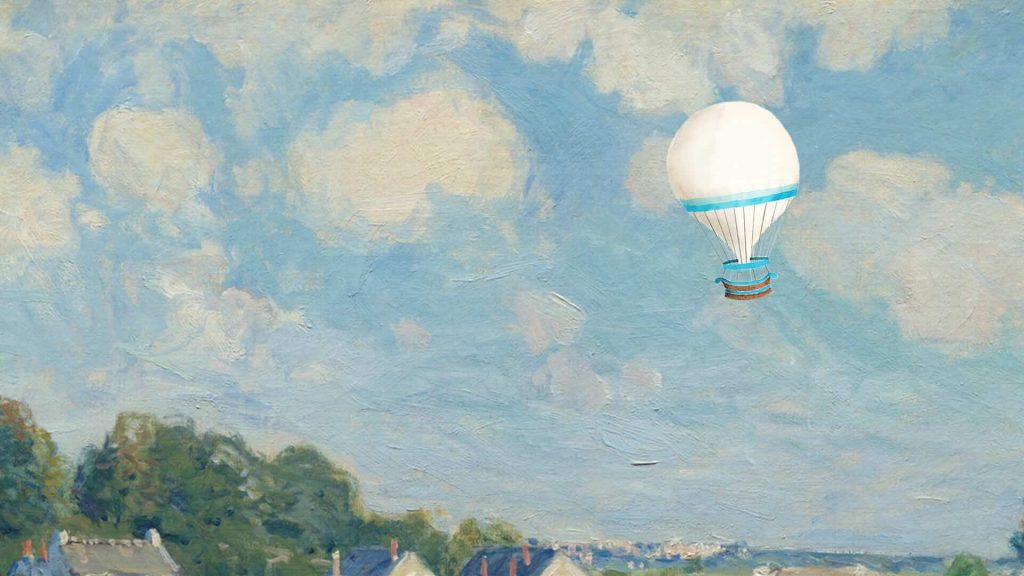
post "Watering Place at Marley" by Alfred Sisley, 1875, CC0, Art Institute of Chicago, remixed with "TAROCH balloon" by Creative Commons/Dee Harris, 2025, CC0.
Creative Commons and the TAROCH Coalition (Towards a Recommendation on Open Cultural Heritage) announce the launch of the Open Heritage Statement, now open for signature by governments, organizations, and institutions worldwide. Developed by more than 60 organizations across 25 countries within the Coalition, the Statement defines shared values, highlights key challenges, and sets action-oriented priorities for closing the global gap in equitable access to heritage in the public domain.
by
Brigitte Vézina,
Dee HarrisOpen Culture
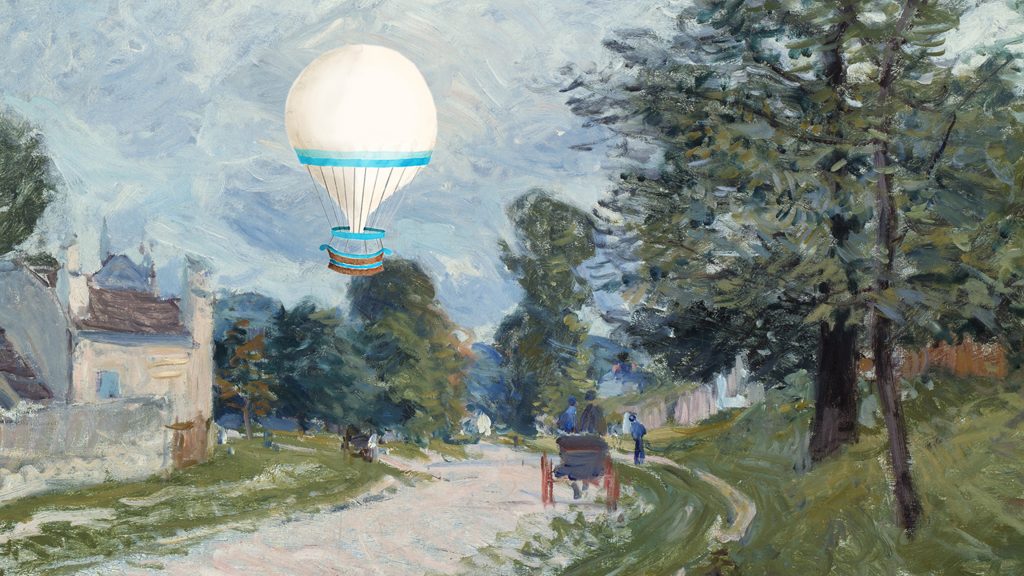
post "A Turn in the Road" by Alfred Sisley (1873), CC0, Art Institute of Chicago, remixed with "TAROCH balloon" by Creative Commons/Dee Harris, 2025, CC0.
“A Turn in the Road” by Alfred Sisley (1873), CC0, Art Institute of Chicago, remixed with “TAROCH balloon” by Creative Commons/Dee Harris, 2025, CC0. The (Under-Realized) Potential of Open Heritage To understand our present, we need to know our past: our memories, our history, our heritage. Over the last two decades, pioneers of open heritage…