For centuries, cultural heritage institutions have been undertaking the work to document and catalog objects in their collections — sometimes this work suffers from a legacy of colonialism and discrimination in the way their collections are labeled and categorized. Some institutions are working to update these labels with more respectful terminology. Hear more from some of the changemakers working to update labels and metadata with more respectful terminologies during this CC panel.
In August, the United States Copyright Office issued a Notice of Inquiry seeking public responses to 34 questions (and several sub-questions) about the intersection of copyright law and artificial intelligence. The comment period closed on 30 October with over 10,000 individuals and organizations responding, representing a broad spectrum of interests on how copyright should apply in relation to generative AI. CC joined in the conversation to provide our own thoughts on copyright and AI to the copyright office.
A key video disappeared from the CC home webpage after the video hosting service Vimeo tagged the open work with an invalid automated copyright violation takedown notice. Learn more about what happens when automated copyright filters go wrong.
Josh Elkes is the CEO and co-founder of Harbour, a digital contracting platform for the creator economy. Businesses use Harbour’s fast and modern e-signature and contract management tools to securely work with creators at scale. Prior to Harbour, Josh spent 10 years at Viacom, Downtown Music, and Getty Images, Josh’s focus has always been to empower…
As part of Creative Commons’ ongoing community consultation on generative AI, we have engaged with a wide variety of stakeholders, including artists and content creators, about how to help make generative AI work better for everyone. Certainly, many artists have significant concerns about AI. At the same time, artists are not homogenous, and many others…
Many wonder what role CC licenses, and CC as an organization, can and should play in the future of generative AI. The legal and ethical uncertainty over using copyrighted inputs for training, the uncertainty over the legal status and best practices around works produced by generative AI, and the implications for this technology on the…
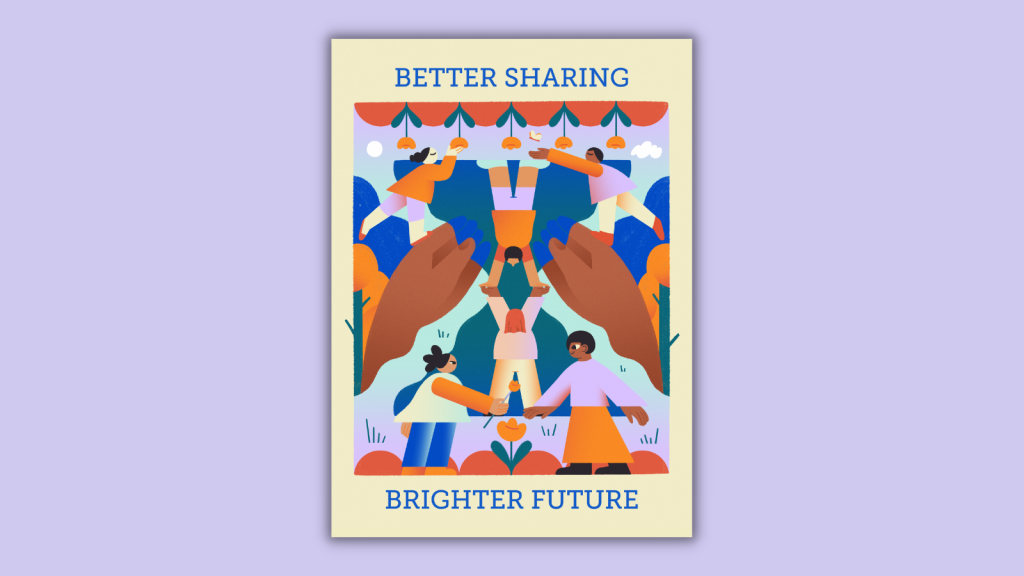
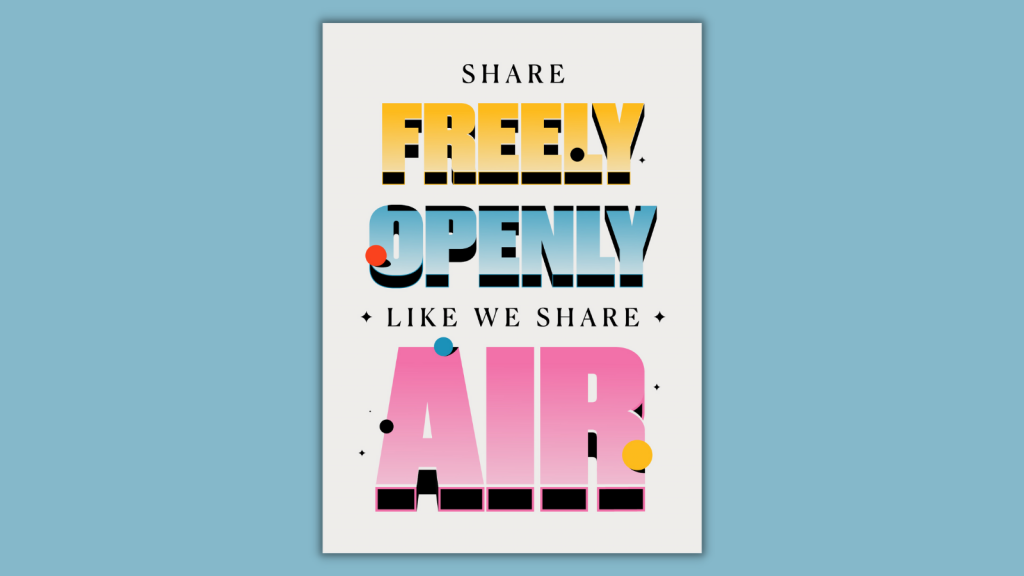
As part of our #20CC anniversary, last year we joined forces with Fine Acts to spark a global dialogue on what better sharing looks like in action. Our #BetterSharing collection of illustrations was the result — we gathered insights from 12 prominent open advocates around the world and tasked 12 renowned artists who embrace…
As part of our #20CC anniversary, last year we joined forces with Fine Acts to spark a global dialogue on what better sharing looks like in action. Our #BetterSharing collection of illustrations was the result — we gathered insights from 12 prominent open advocates around the world and tasked 12 renowned artists who embrace openness…
by
Creative CommonsEvents
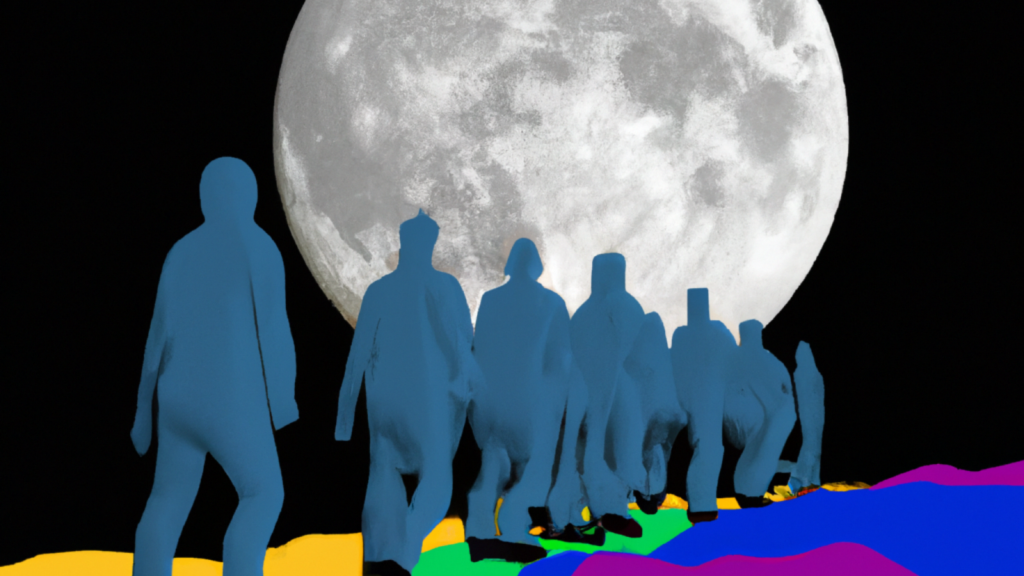
post “Humans walking together” by Anna Tumadóttir for Creative Commons was generated by Dall-E with the text prompt “a group of individual faceless humans in all different colors walking on the lunar surface in three dimensions.” CC dedicates any rights it holds to the image to the public domain via CC0.
Join us on 14 June at ‘Disruption: Creator Edition’ as we explore the profound influence of generative AI on creativity across multiple industries. CC has long focused on the ways that artificial intelligence (AI) can build on, contribute to, and exploit the commons and impact sharing of knowledge and creativity. The rapid rise of generative…
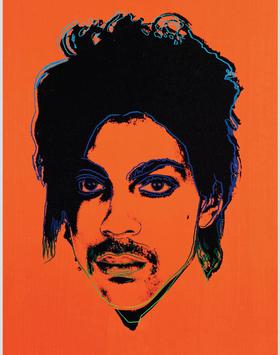
The United States Supreme Court released its opinion today in Andy Warhol Foundation v. Goldsmith. While it’s hard to predict the full ramifications of this decision at this point, our initial opinion is that this decision is not ideal, but also not the death knell for transformative fair use that many feared it could have…