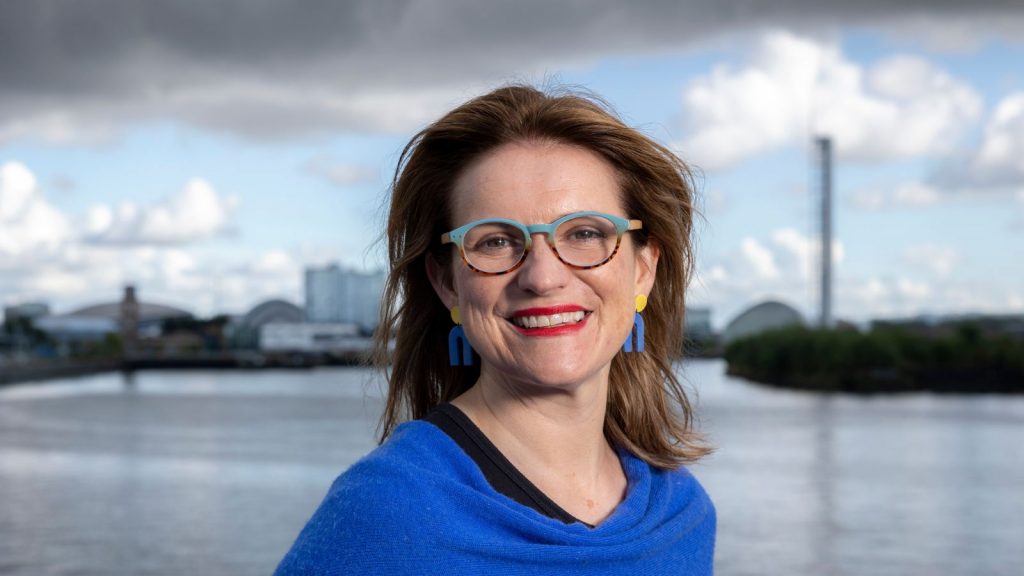
My name is Catherine Stihler, and I’m the CEO of Creative Commons. As a nonprofit dedicated to supporting the sharing and reuse of creativity and knowledge, we strongly support the Internet Archive in its defense of Controlled Digital Lending. Free, equitable, and open access to all knowledge stimulates creativity, is essential for research and learning,…
Brigitte Vézina, the Director of Policy and Open Culture, has facilitated the CC Copyright Platform for the past three years since the Platform’s relaunch in 2020. This year, the CC legal team—Kat Walsh and Yuanxiao Xu—is taking over the facilitator role for the Copyright Platform. The Creative Commons Copyright Platform is a collaborative space for…
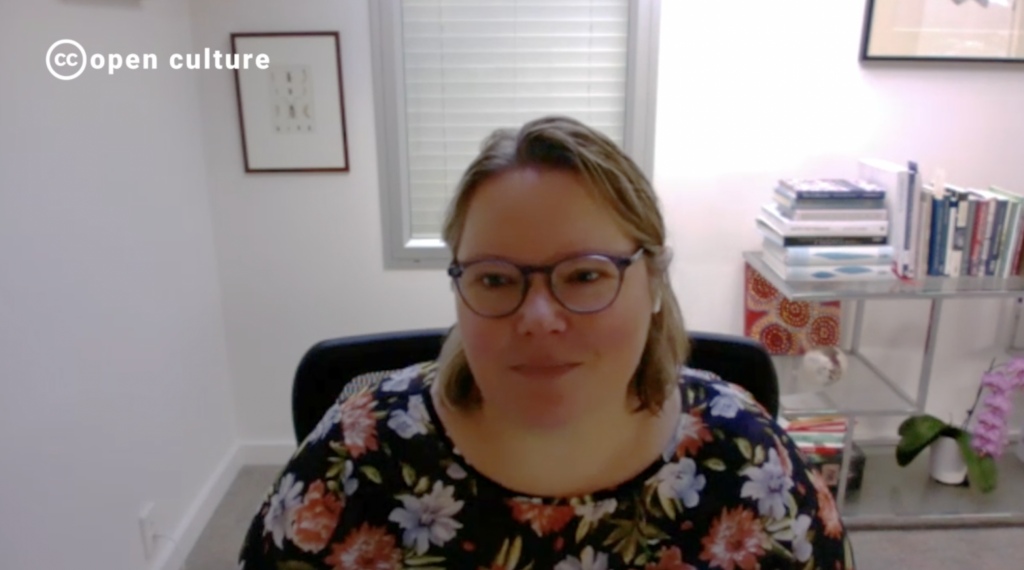
“Open Culture gives joy!” What a great message from Siobhan. In this episode we learn about Open Culture in public institutions in New Zealand, how public works are reused in a variety of ways, and what governments can do to promote open policies and copyright laws around the world. Open Culture VOICES is a series…
Open Education Week offers a global festival of open education efforts. As we take stock of the offerings, it’s heartening to look at how individual efforts can feed into larger system’s change. In our Open Education Week 2023 blog post, we highlight community members’ approaches and tools, opening access to education and knowledge. Below, we…
Over the last year, innovation and use of generative artificial intelligence (AI) has proliferated, providing new ways for people to create content from art to zines, and everything in between. At CC, we’ve been watching these experiments in creativity while considering what it all means for what we call better sharing: sharing that is contextual,…
Angie shares that “…if memory does not pass from one person to another then it is forgotten.” In this episode we learn about the unique barriers faced by institutions and organizations in an Argentinian and South American context as well as the unique ways Wikimedia Argentina supports efforts to open up collections of cultural heritage…
We are thrilled to announce that the Creative Commons 4.0 License Suite and deeds have been officially translated into two new languages: Danish and Frisian, bringing the total number of official translations of the legal codes to 30! This achievement wouldn’t have been possible without the dedication and hard work of our community volunteers. We…
As we gear up for Open Education Week 2023 (6 – 10 March), Creative Commons wants to recognize the contributions of our open education and related open communities. In the past several months, our community members have shared their knowledge and inquiry through lightning talks, panel discussions, presentations, and working groups. The list below offers…
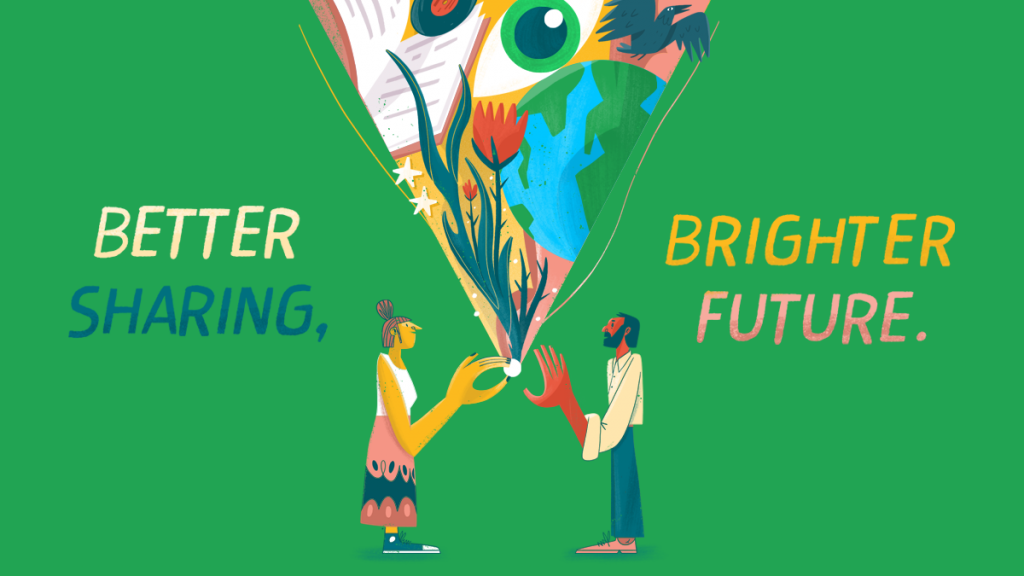
As part of our #20CC anniversary, last year we joined forces with Fine Acts to spark a global dialogue on what better sharing looks like in action. Our #BetterSharing collection of illustrations was the result — we gathered insights from 12 prominent open advocates around the world and tasked 12 renowned artists who embrace openness…
Charles shares that “open access [in cultural heritage] allows institutions to shine a light on lesser known works” that would otherwise go unnoticed. In this episode we get to learn about how a major French cultural institution creates value by making incredibly detailed data of collections available to the public online. Open Culture VOICES is…