Katherine Maher, Ruth Okediji, Chris Bourg to Keynote Creative Commons Global Summit
Events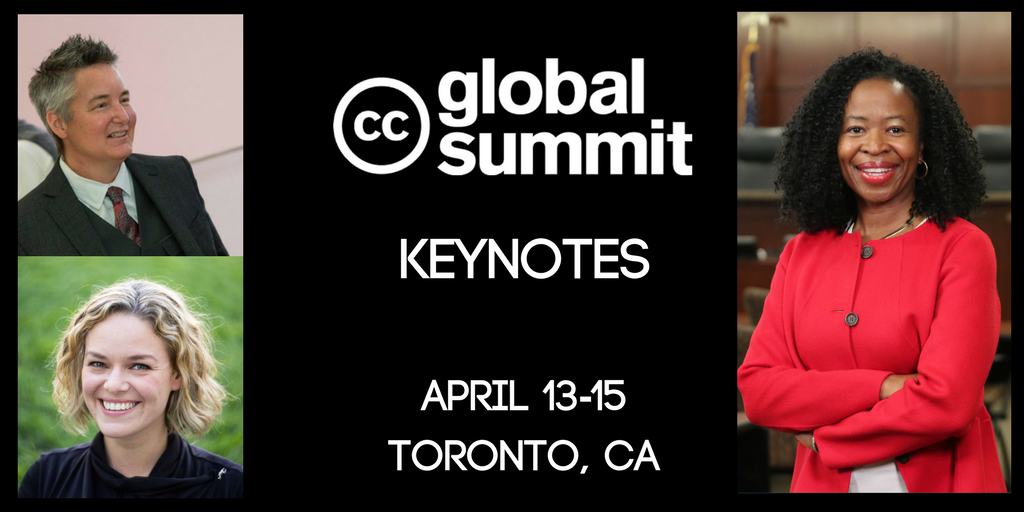
We’re super excited to announce our keynote speakers for the 2018 CC Global Summit from April 13-15 in Toronto.
Help us protect the commons. Make a tax deductible gift to fund our work. Donate today!
We’re super excited to announce our keynote speakers for the 2018 CC Global Summit from April 13-15 in Toronto.

Over the next few months, we will be talking to users and creators of CC images, text, and data as part of updating the usability of CC tools in 2018. For our purposes, we are defining CC usability as both enhancing the experience of sharing and collaborating with CC’s current toolset, and conceiving of new…
The Call for Proposals for the Creative Commons Global Summit is now open! The deadline for submissions is January 23, 2018 at 11:59PM
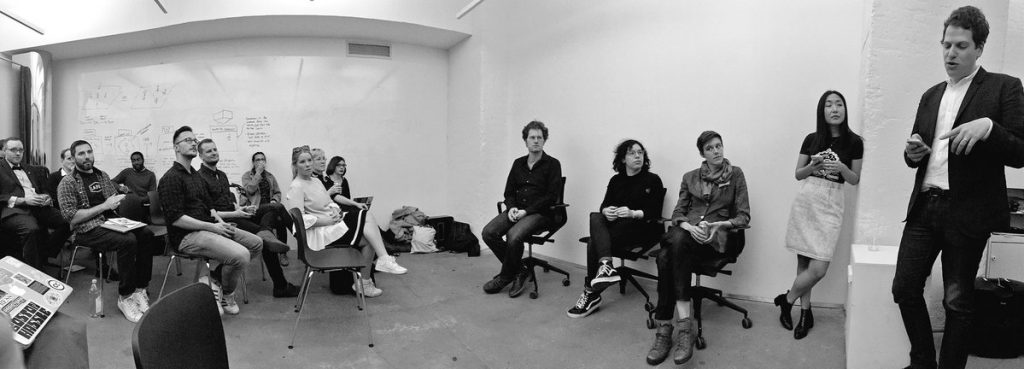
We’ve been thinking about the role of Creative Commons in 2017, an era where much of digital sharing culture exists within walled garden platforms, with liking and commenting on insta-photos and sharing playlists that can only be streamed. In other words, the web has changed since CC initially launched in 2001, and we are grappling…
We are proud to announce that the 2018 CC Summit will be in Toronto, Canada from April 13-15.
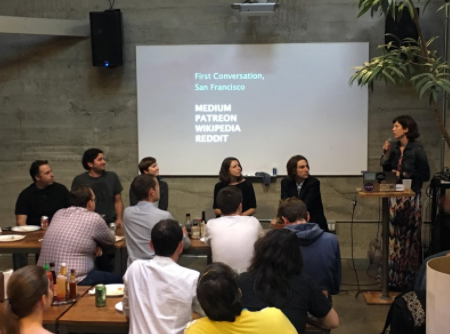
As part of our effort to build a more vibrant and usable commons, CC is trying to hone in on what makes sharing truly meaningful.
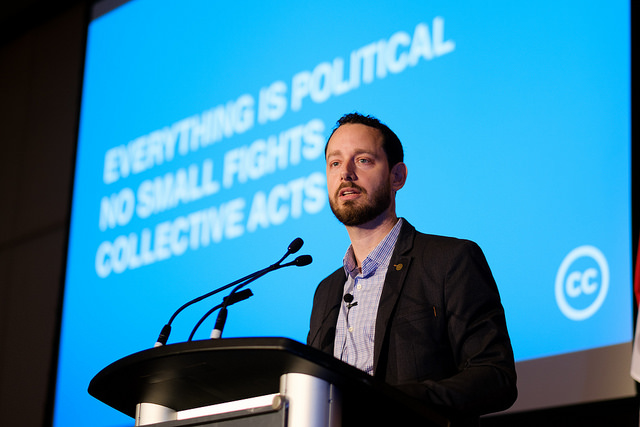
It was my first time at the global Creative Commons summit, and though I knew a bit about Creative Commons, this was my first adventure into meeting and learning from the community.
As a Copyright and Digital Scholarship librarian, I spend a lot of time talking to people about the rights they have to the things they create, and as an active member of the open community, I often find myself encouraging others to apply Creative Commons licenses to their work.
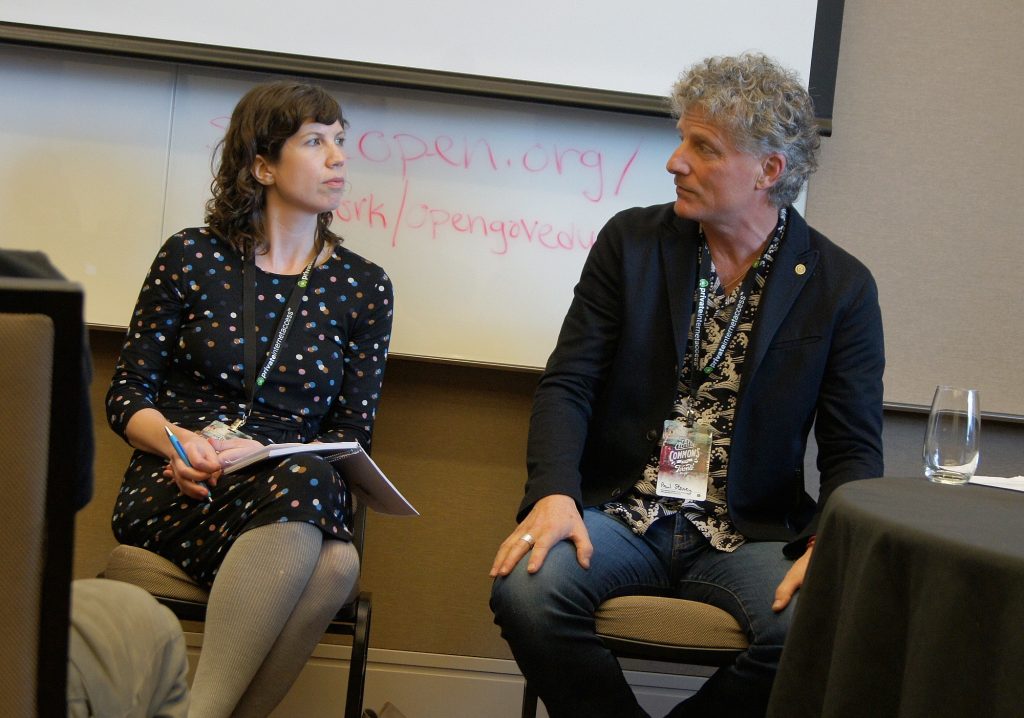
With each question igniting long conversations, and the discussions ultimately illustrating shared objectives and processes behind the three books, we all walked away happy to have the lively dialogues recorded, if not on our computers, at least in our memories.

From April 28-30, nearly 400 commoners gathered in Toronto, Canada in support of the commons for three days of connecting, collaboration, and debate.