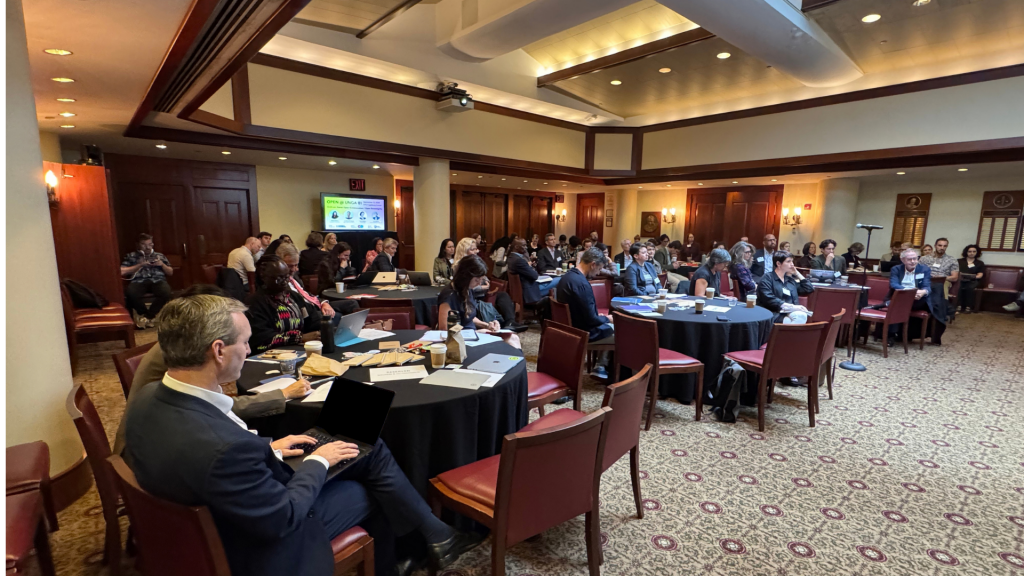
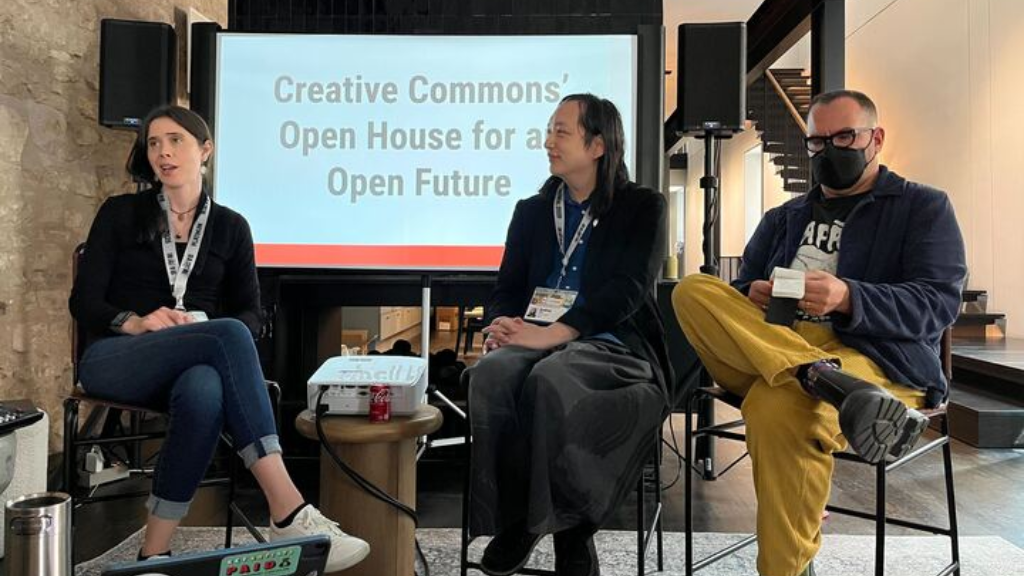
On September 21st, Creative Commons convened leading experts, practitioners, and builders for a day of conversation about the collaborative underpinnings of openness, investigating all the layers of the stack for a better, shared understanding of what openness can—and cannot—do to help communities and nations drive towards digital sovereignty.
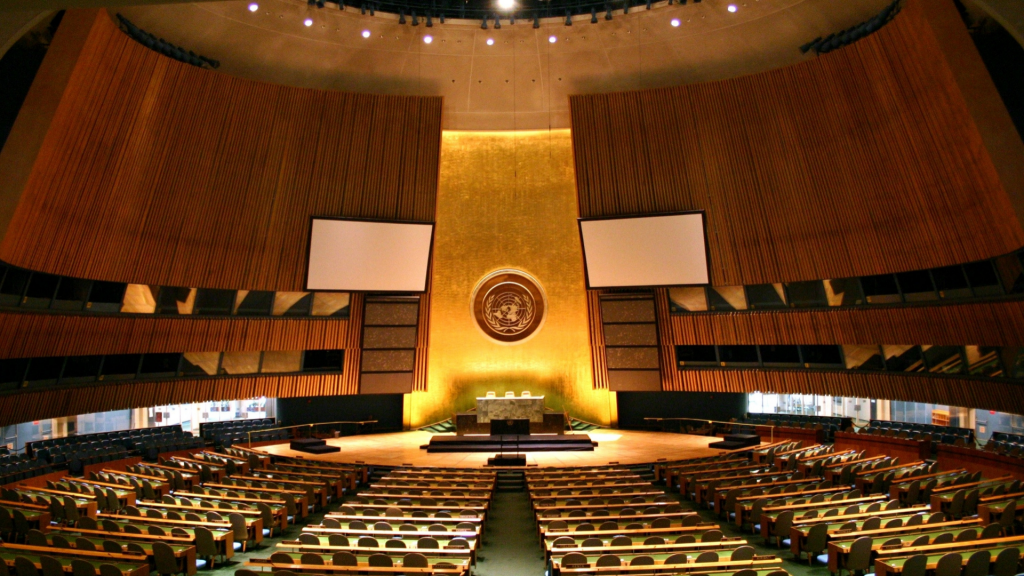
As the United Nations General Assembly (UNGA) convenes its 81st session in New York in September, Creative Commons is bringing together leading civil society and digital rights organizations for “A Conversation on Collaboration,” a day-long symposium examining how to balance digital sovereignty with open collaboration.
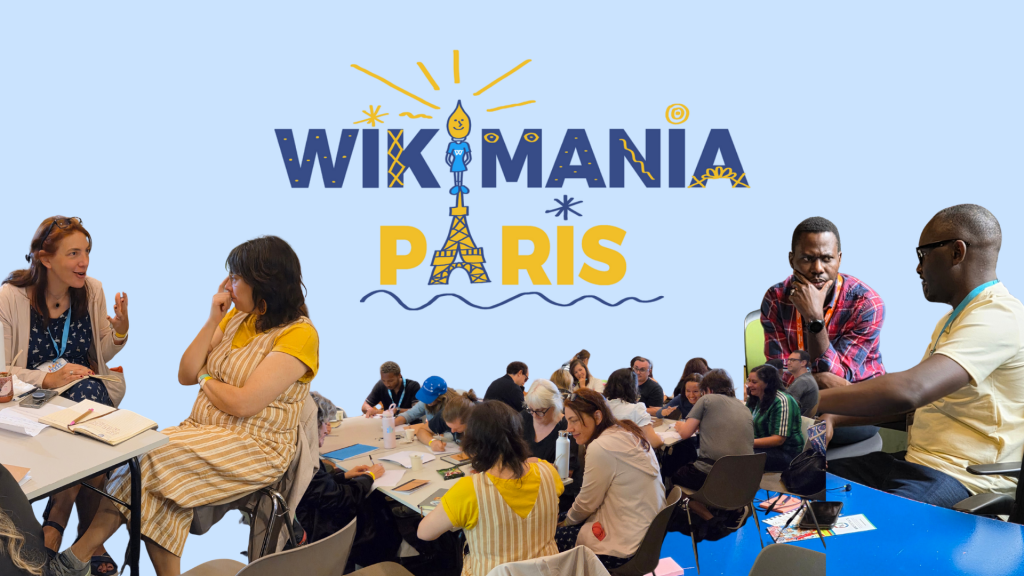
With both Wikipedia and Creative Commons turning 25 this year, our participation in Wikimania 2026 felt especially meaningful. A quarter-century in, both organizations have evolved from scrappy experiments to global infrastructure. Our community has grown through a shared commitment to openness, access, and knowledge. The weeklong conference reaffirmed that commitment as AI is reshaping how we access knowledge and share online.
Over the past 25 years, Creative Commons has helped transform openness from an aspiration into a global practice. Through open licensing, communities around the world have built new models for sharing. The Legacy Of series reflects on four interconnected movements—Open Access, Open Education, Open Science, and Open Culture—and the people who helped shape them.
Twenty-five years ago, a small group of people made a bet. They believed that if you gave creators a simple set of tools and licenses in language that a lawyer, a machine, and a human could all read, millions of people might choose to share their work with the world instead of locking it down.
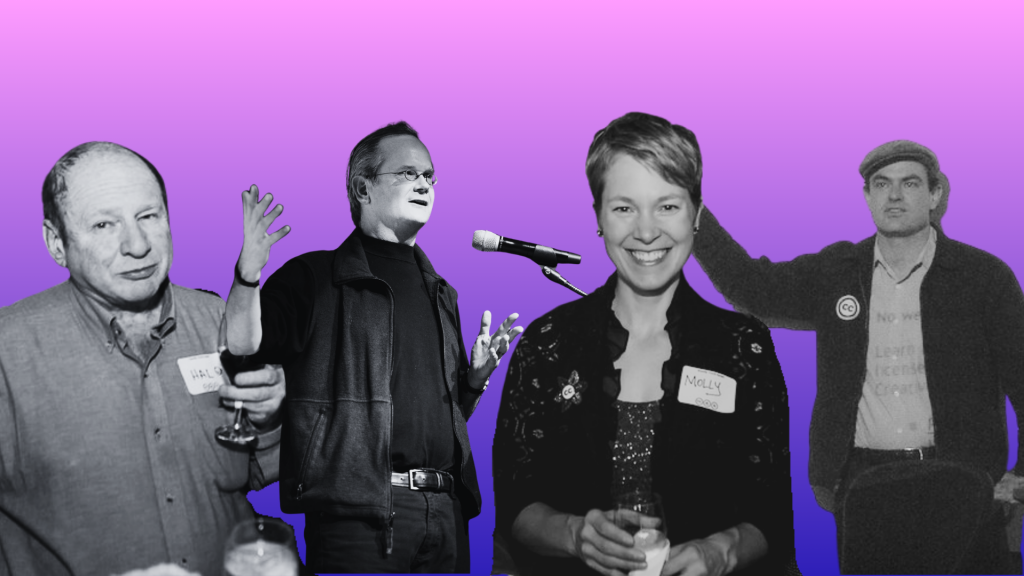
“We said, oh gosh, if a million people use these licenses, that would be amazing,” Hal Abelson recalled, laughing at how small that ambition sounds now. Today the number “starts with a B.” Hal’s quote was one of many memorable moments during Creative Commons’ Founders Fireside Chat, a special benefit event for CC’s 25th anniversary.
This month, CC will be represented at the AI Impact Summit in Delhi, an international gathering shaping the future of AI policy and practice. The 2026 Summit follows the AI Action Summit in Paris in February 2025, where CC underscored a simple but essential truth: without civil society, there can be no public interest.
SXSW by Creative Commons is licensed under CC BY 4.0
SXSW by Creative Commons is licensed under CC BY 4.0 If you’ve been following along on the blog this year, you’ll know that we’ve been thinking a lot about the future of open, particularly in this age of AI. With our 2025-2028 strategy to guide us, we’ve been louder about a renewed call for reciprocity…
The Conciergerie, Paris by Mustang Joe is marked with CC0 1.0. On February 10 and 11, 2025, the government of France convened the AI Action Summit, bringing together heads of state, tech leaders, and civil society to discuss global collaboration and action on AI. The event was co-chaired by French President Macron and Indian Prime…
This report maps current threats and opportunities facing the open movement, based on the ongoing work of the organizations behind the Common(s) Cause event, which took place in Katowice, Poland, as a pre-conference event for Wikimania 2024 on August 6, 2024. The meeting was organized by Creative Commons, Open Knowledge Foundation, Open Future, and Wikimedia…
“Eagle Traffic Signals – 1970s” by RS 1990 is licensed via CC BY-NC-SA 2.0.. At the intersection of rapid advancements in generative AI and our ongoing strategy refresh, we’ve been deeply engaged in researching, analyzing, and fostering conversations about AI and value alignment. Our goal is to ensure that our legal and technical infrastructure remains…