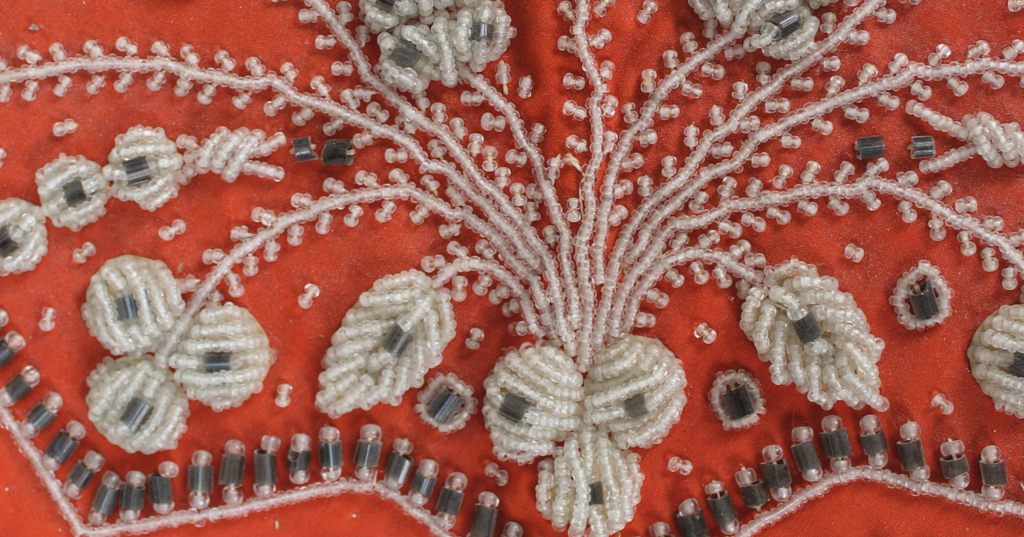
Creative Commons (CC) is happy to announce the launch of a new publication entitled Guidance for Indigenous Collections and Indigenous Data: Recommendations from Creative Commons and Local Contexts. This publication is the result of a collaboration with Local Contexts, as both organizations share commitments to equitable knowledge sharing, proper attribution, and respect for diverse cultural and community protocols. It aims to support cultural heritage institutions (CHIs) in navigating the complex legal, ethical, and cultural issues regarding open access to Indigenous heritage and associated data.
Since 2002, Creative Commons (CC) licenses have served as legally enforceable tools for digital sharing. Beyond their functionality, they also signal a commitment to open sharing in the public interest. CC’s general guidance has been to acknowledge and support all valid uses for each of our current six licenses and two public domain tools.
Attribution has always been a cornerstone of working with other people’s creativity and knowledge. As Creative Commons reminds us, practicing attribution serves many important functions, from providing verifiable evidence of a claim, to paying respect to the work of others, and creating pathways for traffic and financial value to flow. Despite the importance of attribution, many of today’s AI systems fail to acknowledge the sources of knowledge and creativity that make them possible.
The Creative Commons Open Heritage Companion is a practitioner’s guide developed to help cultural heritage institutions navigate the journey from closed to open collections. Grounded in the legal, policy, and ethical questions institutions face along the way, the Companion brings together resources, tools, and examples that guide practitioners from their first questions about openness to leading the field.
by
Brigitte Vézina,
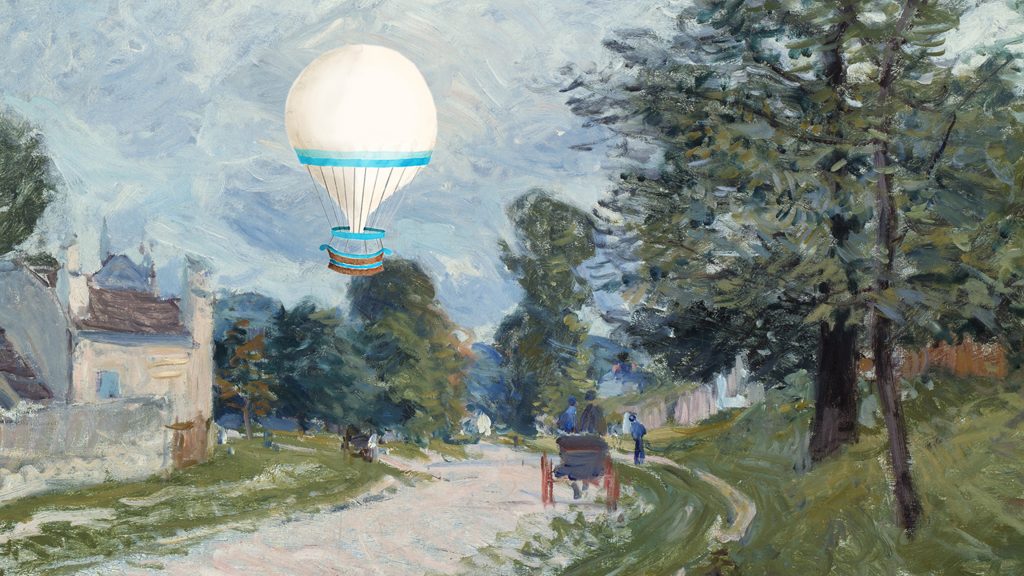
Dee HarrisOpen Culture"A Turn in the Road" by Alfred Sisley (1873), CC0, Art Institute of Chicago, remixed with "TAROCH balloon" by Creative Commons/Dee Harris, 2025, CC0.
“A Turn in the Road” by Alfred Sisley (1873), CC0, Art Institute of Chicago, remixed with “TAROCH balloon” by Creative Commons/Dee Harris, 2025, CC0. The (Under-Realized) Potential of Open Heritage To understand our present, we need to know our past: our memories, our history, our heritage. Over the last two decades, pioneers of open heritage…
by
Brigitte Vézina,
Dee HarrisOpen Culture"Watering Place at Marley" by Alfred Sisley, 1875, CC0, Art Institute of Chicago, remixed with "TAROCH balloon" by Creative Commons/Dee Harris, 2025, CC0.
“Watering Place at Marley” by Alfred Sisley, 1875, CC0, Art Institute of Chicago, remixed with “TAROCH balloon” by Creative Commons/Dee Harris, 2025, CC0. Open Heritage and Contemporary Creativity Apollo or Venus in your living room? This is the proposition made by Denmark’s Statens Museum for Kunst (SMK) upon openly sharing its vast collection of 3D…