Open-Source Medical Hardware: What You Should Know and What You Can Do
You’ve heard the stories: engineers 3D printing face shields in their basements; do-it-yourself hobbyists sewing face masks; and fashion designers crafting personal protection gowns.
Globally, people are trying to help fill the medical supply gap caused by the COVID-19 pandemic through open-source medical hardware. It’s a heartwarming display of global ingenuity, innovation, and collaboration. In this post, we answer your questions about open-source medical hardware and provide some insight into what you can do to help.
Open-source hardware: the designs of physical objects that are openly licensed so they can be modified, created, and distributed without restrictions.
Why is open-source medical hardware important?
It’s easy to forget, with such a flurry of increased activity, that open-source medical hardware is not new. In fact, it has been instrumental in providing medical devices and equipment to under-resourced healthcare workers and facilities for years—a need that predates the COVID-19 pandemic. For example, following the H1N1 pandemic, medical professors at Swansea University published open-source instructions for a low-cost emergency ventilator.
In a 2010 report titled, “Managing the Mismatch,” the World Health Organization (WHO) stated, “Research is making rapid progress within the development of sophisticated medical technologies…Yet despite this progress, the majority of the world’s population has little or no access to many of these innovations.” In particular, the WHO detailed a significant “mismatch” in the availability of relevant, effective medical devices for localized public health needs, highlighting that “70–90% of all medical devices donated to the developing world never function as intended.” Four important components of correcting this “mismatch” are availability, accessibility, appropriate(ness), and affordability—this is where open-source medical hardware comes in, as Dr. Gerrit Niezen et. al. explained in a 2016 research article:
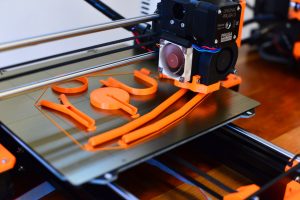
A 3D printer builds a stethoscope using The Glia Project’s open-source design. Source: The Glia Project (CC BY-SA)
“Making the hardware design available under an open source license allows anyone to improve and contribute to the device design, leading to very rapid innovation compared to traditional methods. It also enables the design to be modified for very specific uses, and makes the devices easy to repair…This has great potential for making medical devices more accessible in the developing world, where devices can also be designed as open-source and built for specific use cases, instead of having to depend on donated equipment.”
A clear example of a medical device “mismatch” is the cost of a stethoscope compared to its necessity. Although stethoscopes are one of the most important tools for healthcare workers, on the market, a reliable stethoscope costs between $90.00 – $200.00 USD and is almost impossible to come by in low-resource settings. After noticing this issue while working in Gaza, Dr. Tarek Loubani, an emergency room physician in Canada and recipient of the 2020 Bassel Khartabil Fellowship, created an open-source design for stethoscopes in 2018 that can be 3D printed for around $3.00 USD. Through his charity, The Glia Project, Dr. Loubani now creates and releases open-source designs for stethoscopes, tourniquets, and otoscopes so that they can be produced cheaply by anyone with a 3D printer. The charity not only creates these designs, they also train people in under-resourced and conflict-ridden areas to use 3D printers and deploy these medical devices in the field. “The Glia Project is first and foremost a project about independence,” explained Dr. Loubani in a 2019 interview.
Just recently, in response to the pandemic, the organization turned to creating face masks for Canadian health workers. “That’s been my promise to my colleagues,” Dr. Loubani recently told the CBC, “And soon that will be my promise to all health-care workers in Canada.”

Creating open-source medical hardware during the COVID-19 pandemic
Dr. Loubani is not alone in using open-source hardware to mitigate the medical supply and equipment shortage due to COVID-19. The Helpful Engineering Group on Slack is filled with thousands of engineers crowdsourcing ideas for medical devices and tools, and the Open Source COVID-19 Medical Supplies (OSCMS) group on Facebook has over 50,000 members doing the same. Alongside these somewhat ad hoc and loosely organized efforts are initiatives by research institutions and labs, such as the MIT Emergency Ventilator (E-Vent) project and the Just One Giant Lab OpenCovid19 Initiative.
What’s the manufacturing process?
The process of identifying an open-source hardware design and manufacturing a final product differs depending on a variety of factors, such as design complexity, resource allocation, safety requirements, delivery needs, etc. In some cases, once an open-source design is created in-house, or identified elsewhere, the manufacturing process can be relatively quick. “The most important thing is to test the settings, optimize, adapt the design to your local resources, and test with professionals at hospitals. If it works, then you proceed,” said André Rocha, assistant professor at the Escola Superior de Educação de Lisboa, co-coordinator of FabLab Benfica, and an active member of CC Portugal.
“The most important thing is to test the settings, optimize, adapt the design to your local resources, and test with professionals at hospitals.”
For example, a face shield—an important component of personal protection equipment (PPE)—is very “fabricatable,” meaning it’s easy to design and manufacture with a 3D printer, taking around 20 minutes to an hour. Due to the global shortage of face shields, there are many people utilizing open-source designs to manufacture and deliver these to healthcare workers. This includes Darrell Currington, who runs the Rapid Prototyping Centre at OCAD University in Toronto, Canada. “We’re currently working on the production of 3D printed visors which are used to make face shields for hospitals,” he explained over email, “With the university closed down, we weren’t able to run the facility as we normally would. So I decided the best thing we could do was to take what equipment we could, and distribute it among our staff, and faculty that would be most familiar with the technology.”
Although 3D printing is a low-cost and quick way to create PPE components like face shields, there are instances in which it’s better to use other technologies like laser cutting to manufacture more reliable and effective devices—this is especially true for more complex devices like a positive pressure helmet (PPH). A PPH supplies filtered and precise airflow to the wearer. “Imagine an inflatable bubble on your head,” André explained. These have been used in hospitals where COVID-19 cases have overwhelmed the healthcare system, such as Italy. PPHs can relieve the pressure on ventilators and prevent sick people from contaminating the air in crowded hospitals. The process of designing and manufacturing a PPH is more complex than a face shield, requiring more collaboration with industrial companies and medical experts, more materials, and more tests to ensure the hardware is safe and reliable. Therefore, the pace of production and delivery is relatively slow.
André is currently tracking a PPH project launched by the Fab Foundation. The open project’s documentation can be tracked here and the repository is located here.
How are requests received and delivered?
Again, this varies widely depending on the specific context. In some cases, requests are formally channeled through government officials and/or hospital administrators and delivered by established organizations. In other cases, the requests are made informally by healthcare workers and hand-delivered through small volunteer groups or individuals, like Coronavirus Makers in Madrid, Spain. André’s group in Lisbon, Portugal receives PPE supply requests directly from local healthcare workers. “All the help and requests are informal,” he explained, “We [the volunteers] meet remotely almost every day to prepare next day donations to hospitals, police squads, and next developments.”
Unfortunately, volunteer groups and individual efforts suffer from limited capacity and resources—thus, they’re unable to scale their efforts. André and his group are hoping to overcome these challenges by “developing cutting stamps for printing houses that can deliver a few thousand [face shields] in a couple of hours.” However, localized challenges, like a scarcity of the necessary materials to manufacture the supplies, are more difficult to solve. “The effort here is to create versions for different materials, thicknesses, and production processes based on available resources,” he explained.
Are these devices safe?
The landscape of open-source hardware feels a bit like the “wild wild west” due to the urgency and desperation of the current situation. However, ensuring that open-source hardware is safe and reliable is imperative. The devices developed by The Glia Project and their production site, for example, are approved by Health Canada. However, that approval process takes time and resources—neither of which are readily available during a crisis like the COVID-19 pandemic.
In many countries, safety information and regulations around medical devices are publicly available and should be followed.
Therefore, it’s important that manufacturers (even those do-it-yourself hobbyists sewing face masks) do their due diligence in ensuring their products are safe. But how? “I think the most basic level is to test solutions with local health professionals,” emphasized André, “Another is to be extremely careful during fabrication. Everything should be validated by professionals before usage…In projects that represent higher complexity, I believe that [public health] authorities should be involved and contacted.” Darrell’s group, for example, checked with Michael Garron Hospital in Toronto for a tested and approved 3D printed face shield design before starting their efforts. “The hospital had worked with a designer named Shawn Lim, they tested his design, and found they could sanitize the visor and it would be safe for use in their hospital,” Darrell explained, “They then posted the design on their website and asked for anyone with a 3D printer to contribute…As of this evening [April 9] we should have just under 1000 units ready for drop off at the hospital on Tuesday.”
In many countries, safety information and regulations around medical devices are publicly available and should be followed. For example, the United States Federal Drug Administration (FDA) lists regulatory standards for a variety of devices on their website, and in response to COVID-19, they’ve curated specific information on ventilators and PPE.
Where can I find open-source initiatives and designs?
There are hundreds, if not thousands, of different open-source hardware initiatives that you can contribute to and designs that you can utilize. There are a few repositories that you can search through, including Appropedia, Wikifactory, and Public Invention’s “Evaluation of Open Source Ventilators,” as well as loosely organized social media groups to join, including the aforementioned Helpful Engineering Group on Slack and Open Source COVID-19 Medical Supplies (OSCMS) on Facebook. Just One Giant Lab (JOGL) has also launched several projects under their OpenCovid19 Initiative. There are also more country-specific initiatives and designs, such as Breath4Life (Belgium), Un Respiro (Argentina), Fast Jungle Face Shield (Panama), Make4Covid (USA), VentilAid (Poland), Open Source Ventilator (Ireland), OxyGen (Spain), Open Source Against COVID-19 (Belgium).
According to André, it’s important to distinguish ‘pirate’ initiatives that “reverse-engineer medical equipment” from other initiatives developing new designs through more official collaborations and/or partnerships by universities, companies, and research centers. “Information about the latter is unclear because it is hard to distinguish the nature of the initiative,” he emphasized, “We don’t always know if patents will be filed later on or if they are universally available open-source designs.”
 In order to avoid intellectual property (IP) issues, and make it clear the results of these collaborations are open source, Creative Commons is urging individuals, companies, and research institutions to clearly utilize an open-source license or sign the Open COVID Pledge—which grants the public free, temporary access to IP rights in support of solving the COVID-19 crisis, removing obstacles to knowledge and inventions that could save lives and limit suffering.
P.s. You don’t need to know how to operate a 3D printer, laser cutter, or sewing machine to help out. You can donate materials, money, or your time to each initiative. Just take a look at their websites!
What’s next?
The current situation is not ideal. The explosive growth of open-source hardware over recent weeks is the direct result of devastating medical supply shortages across the world—and unfortunately, current efforts are relatively ad hoc, difficult to scale, and loosely organized. Therefore, it’s impossible to predict what will happen to all of the open-source hardware developed in reaction to COVID-19. Will these designs become legitimate alternatives to those found on the market once the pandemic is over? Will they be used to correct the “mismatch” of medical devices globally? Or will they simply be relegated to the digital archives of history? These are important questions that will need to be examined in the coming months.
For now, let’s get to work. ??
If you have a question regarding CC Licenses and how they apply to hardware designs or the Open COVID Pledge, please feel free to contact us at info@creativecommons.org.
? Stop the spread of COVID-19 by taking these steps outlined by the WHO, including washing your hands for at least 20 seconds and social distancing.
Update to CC’s Policy on Legal Code Corrections
Creative Commons is changing its legal code correction policy for official translations of the Version 4.0 licenses and the CC0 public domain dedication. In order to maintain the integrity of our firm commitment to honor official translations as legal equivalents of the original English 4.0 version and the original English CC0 1.0, CC will correct published official translations when any type of error is identified.
Creative Commons is committed to maintaining canonical, stable, and unchanged versions of the legal code of its licenses and public domain tools. This policy applies to every legal tool stewarded by CC, including ported versions of the licenses, which are versions adapted both to the particular local language and law of a given jurisdiction, as well as deprecated tools, such as the Developing Nations and Sampling licenses. When errors to those legal tools have been identified, they have either resulted in new versions of the tools or been documented as minor errors on the Legal Code errata page.
Creative Commons has made the decision to adapt this policy with respect to official translations of the 4.0 licenses and CC0 1.0. By way of background, starting with the release of the Version 4.0 license suite in 2013*, CC ceased porting its legal tools because it was no longer necessary given the internationalization efforts surrounding 4.0. We instead committed to creating official linguistic translations of the original English version, without making any adjustments based on local law. While respecting the international reach of CC licenses, English was the language in which CC worked with its global community to negotiate and finalize terms of the 4.0 license suite (as well as our public domain tools), and so, as a community, we must recognize English as the original for purposes of official translation. That said, CC and our community are committed to the idea that all official translations are legal equivalents much like official instruments of the United Nations are negotiated, translated, and treated as equivalents. In other words, CC’s official translations are not separate licenses.This background is useful to understanding why Creative Commons has made the decision to adapt its policy for official translations.
To be clear, CC’s legal code correction policy will remain the same for Version 3.0 and prior versions of the licenses, including ports. The policy will also remain unchanged for the Version 4.0 English legal code and the CC0 English legal code. For those, CC will continue to maintain static versions of the legal code, even when errors are identified. All such corrections will be cited in a footer on the relevant legal code and publicly documented in full on the Legal Code errata page.
To date, after six years of overseeing the publication of official translations of 4.0 and CC0, CC has identified only one official translation with known material errors. Upon discovery, this translation was immediately hidden from public view with the consent of the translation team in order to avoid confusion by reusers. CC will be publishing corrected versions of that translation pursuant to this modified policy and process shortly. In response to these errors, CC has also revisited its legal code translation policy and processes to increase quality control and documentation.
We remain committed to ensuring the integrity of our legal code for licensors and licensees, and we believe this modified policy best accomplishes these goals. Please direct any questions to legal@creativecommons.org.
* This policy change was made, in part, as a result of the structure of the Version 4.0 licenses, which are designed to take effect according to applicable copyright law wherever the licensed work is used. Given this international design and operation, it is no longer necessary to adapt the legal code to the laws of particular jurisdictions. CC0 has never been ported, only officially translated.
Open COVID Pledge: Removing Obstacles to Sharing IP in the Fight Against COVID-19
Creative Commons has joined forces with other legal experts and leading scientists to offer a simple way for universities, companies, and other holders of intellectual property rights to support the development of medicines, test kits, vaccines, and other scientific discoveries related to COVID-19 for the duration of the pandemic. The Open COVID Pledge grants the public free, temporary access to IP rights in support of solving the COVID-19 crisis, removing unnecessary obstacles to dissemination of the knowledge and inventions that could save lives and limit suffering.
The Pledge, developed by a coalition of scientists, lawyers, and entrepreneurs, gives broad permission to anyone to use technology and content otherwise inaccessible in its absence, in most cases, replacing the need for a costly license or royalty agreement.
Intel has joined the effort as a founding pledgor, along with Unified Patents and Fabricatorz Foundation.
Over the past couple of weeks, I’ve been working with these experts with the goal of creating a tool that allows the development of diagnostic tools, treatment, and preventative solutions—possibly even a cure or vaccine—to halt the spread of this disease. Although developed quickly due to exigent circumstances, Creative Commons looks forward to working closely with the many talented international legal and policy experts in our Global Network on next steps to make this Pledge an impactful reality.
“Intellectual property rights are intended to encourage creativity and invention for the ultimate benefit of humanity. It’s fitting and inspiring that many intellectual property owners recognize that at this moment humanity needs all of the intellectual resources we can muster right now—from educational resources for online learning, to designs for protective equipment, to patented pharmaceuticals” – Molly Shaffer Van Houweling; Chair, CC Board of Directors
The Pledge has received public expressions of support from organizations around the world including Creative Commons; Mozilla; Unified Patents; the Idea Laboratory for Intellectual Property in Bogota, Colombia; Universities Allied for Essential Medicines; The Neuro (Montreal Neurological Institute-Hospital); and the Program on Information Justice and Intellectual Property at American University Washington College of Law, among others.
CC is proud to support the Open COVID Pledge, and the many other efforts directed at accelerating the pace of discovery during the pandemic and thereafter, including pushing for Open Access policies, especially for publicly-funded research.
Please support the effort by encouraging your company, university, or research team to support the pledge. Visit opencovidpledge.org to learn how you can contribute and read our full press release for more info.
Bassel Khartabil Fellowship Awarded to Tarek Loubani—Using Open Access to Combat COVID-19

Photo courtesy of Tarek Loubani (CC BY)
We are thrilled to announce today that Dr. Tarek Loubani has been awarded the 2020 Bassel Khartabil Fellowship. Loubani is the medical director of Glia, a project focused on using Open Access manufacturing and distribution in order to provide lower costs and vastly increase the accessibility of urgently needed medical supplies and gear.
The Fellowship award will allow Loubani to Combat COVID-19 through the release of Open Access plans for medical hardware, so that vital equipment may be produced cheaply by anyone with commonly available 3D printers. Loubani’s approach enables high quality devices to be made available during periods of global supply chain disruption, and in areas with limited access. Glia has released face shields already being used in the battle against COVID-19, as well as other hardware including stethoscopes, tourniquets, and otoscopes. Additional devices including pulse oximeters, electrocardiograms, and dialysis products are currently in development. See the full press release for more information about Loubani’s work and how the fellowship will support his efforts.
The Bassel Khartabil Fellowship is a project of Fabricatorz Foundation, with partnership and support provided by Creative Commons and Mozilla Foundation. The fellowship honors the work and legacy of our friend Bassel Khartabil, a Palestinian-Syrian technology innovator, artist, open source advocate, and Creative Commons community leader who was “disappeared” in 2012 then executed by the Syrian regime in 2015. The fellowship provides funding, mentorship, and general support to individuals and teams whose work embodies the ideals of free culture and Open Access—ideals that Bassel dedicated his life to.
Education in Times of Crisis and Beyond: Maximizing Copyright Flexibilities
The global health crisis is crystalizing the need for policies that support universal access to learning resources.
The COVID-19 pandemic has wreaked havoc on over a billion learners’ lives—half of the world’s student population have seen their schools or universities close to slow the spread of the virus. As a result, many educational institutions are shifting to online learning. While some educators can post their existing learning materials online for their students, for others, the move to online requires access to, and the legal rights to perpetually use and adapt materials developed by others. This brings into focus the essential need for both broad access to Open Educational Resources (OER) and broad limitations and exceptions (L&E) for educators and learners to freely and legally use copyright works for educational purposes.
Open Educational Resources (OER) are teaching, learning, and research materials that are either (a) in the public domain or (b) licensed in a manner that provides everyone with free and perpetual permission to engage in the 5R activities (retain, reuse, revise, remix, redistribute).
Limitations and Exceptions (L&E) for Education make it possible to use protected works for educational purposes without the authorization of the copyright holder (with or without payment of compensation). L&E exist to maintain an appropriate balance between the interests of rights holders and users of protected works. Education-related L&E vary across jurisdictions and generally permit certain specific uses linked to study, teaching, private or personal use, and quotation. In some countries, these uses are allowed under the doctrine of fair dealing or fair use. They usually apply in relation to the rights of reproduction, publication, performance, and communication (including online communication), as well as to the implementation of technological protection measures. Certain laws provide for compulsory licenses for reproduction and adaptation for educational purposes. Users and authors alike stand to gain from the application of L&E and of policies that aim to leverage copyright for education.
Guided by its mission to build a more equitable, accessible, and innovative world, Creative Commons has long been advocating for open education as well as providing the legal infrastructure to support the creation, sharing and use of OER. We have also advocated for broadening limitations and exceptions to copyright materials for educational use.
When access to education is a daily struggle
For many learners and educators, especially in low-income countries, access to educational materials is a daily struggle, even in normal times. Because of a myriad of barriers, such as the prohibitive cost of learning resources, or the legal maze of convoluted copyright rules and exceptions, many learners are denied their fundamental human right to education.
On many levels, the current health emergency and the disruptions it creates around learning opportunities is a wake-up moment. Librarians are calling for a generous interpretation of fair use, educators and institutions are generously sharing OER, and commercial publishers are making some of their educational materials available for free for a limited time.
Helping teachers and learners legally access effective learning resources is certainly useful during a global health crisis; it is similarly required after the crisis. Open education is not a short-term fix to a passing problem—it is a long-term solution to ensuring equitable, inclusive access to effective educational resources and learning opportunities.
In the same way open science is better science (the world is sharing COVID-19 research to create a vaccine), open education is better education. While the crisis didn’t make this so, it does remind us that we all need to be smarter and more responsible with the limited resources we have so we can add resilience to the education systems on which the world’s children depend.
Now is the time for governments to adopt open education policies and limitations and exceptions for education
There is an opportunity in this crisis to collectively realize and acknowledge that public education systems globally can do better.
Open education policies ensure the content created or procured with public money is either CC licensed or dedicated to the public domain, so the public that paid for the educational resource has access to the resource. The UNESCO OER Recommendation calls on governments to:
- develop and implement policies and/or regulatory frameworks which encourage that educational resources developed with public funds be openly licensed or dedicated to the public domain as appropriate, and allocating financial and human resources for the implementation and evaluation of policies;
- develop mechanisms to support and incentivize all stakeholders to publish source files and accessible OER using standard open file formats in public repositories; and
- embed OER policies into national policy frameworks and strategies and aligning them with other open policies and guiding principles such as those for Open Access, Open Data, Open Source Software and Open Science.
Creative Commons has joined the Dynamic Coalition for the UNESCO OER Recommendation and a network of open education NGOs to support national governments in creating, adopting and implementing these and other open education policies.
Broad limitations and exceptions allow educators and learners to legally access and use copyright resources for educational purposes, without authorization from the rights holders.
At the international level, the WIPO Standing Committee on Copyright and Related Rights is the forum where discussions on substantive issues in the field of copyright and related rights take place. L&E have been on the SCCR agenda since 2004 and, in addition to educational activities, discussions on L&E focus on libraries and archives as well as disabled persons, particularly visually impaired persons (as recognized under the 2013 Marrakesh Treaty). Creative Commons is actively involved in WIPO-related work and has presented an official statement to the SCCR on L&E.
Through our policy work at CC, we support legal and policy initiatives (global, regional and national) that aim to adapt an obsolete copyright system to the digital environment. That involves making sure users can benefit from broad and clear L&E for online uses, and, specifically in the context of online education, that educators and learners can take advantage of the possibilities offered by digital technologies to have a positive educational experience without undue impediments imposed by unwarranted, outdated, or unfit copyright rules.
How can you learn about open education and increase access to effective learning resources?
Up your open licensing skills with free, CC BY licensed CC Certificate OER, or register for the online facilitated course to get “CC Certified.”
? Stop the spread of COVID-19 by taking these steps outlined by the WHO, including washing your hands for at least 20 seconds and social distancing.
Dr. Lucie Guibault on What Scientists Should Know About Open Access
In response to the global health emergency caused by COVID-19, we’ve seen an array of organizations, publications, and governments make COVID-19 related research open access. For example, the U.S. National Library of Medicine recently released the COVID-19 Open Research Dataset (CORD-19)—a machine-readable coronavirus literature collection with over 29,000 articles available for text and data mining (TDM).
These actions are not surprising given the urgency of the current situation. In our previous post, “Now Is the Time for Open Access Policies—Here’s Why” we explain that rapid and unrestricted access to scientific research and educational materials is necessary to overcome this crisis. However, while we applaud the recent moves by organizations, publishers, and governments to open access to scientific research related to COVID-19, we believe the same level of sharing should be applied to all scientific research. Not only for the public good but also for the good of science. Science can only function properly if results, data, and insights are made openly available. “Universality is a fundamental principle of science,” explains the open access consortium cOAlition S, “only results that can be discussed, challenged, and, where appropriate, tested and reproduced by others qualify as scientific.”
Put simply, open science is the best way to do science. This is why CC has consistently recommended the following best practices for sharing research openly:
- Zero embargo period so the public has immediate access
- CC BY on the article so it’s available for TDM
- CC0 on the research data so other scientists can scrutinize the conclusions, replicate the study, and advance the science
In order to examine this issue further, as well as provide some guidance for scientific researchers and organizations specifically, we reached out to intellectual property and copyright law expert Dr. Lucie Guibault, an associate professor at the Schulich School of Law and associate director of the Law & Technology Institute at Dalhousie University.
Our conversation below is slightly edited for clarity and length.
CC: Why does open access to scientific research and data matter in moments of crisis?
Dr. Guibault: When time is of the essence, like now with the COVID-19 pandemic, scientific research results must be made available as soon as possible so that other scientists, policymakers and the general population can rely on sound scientific data in their decision-making process. Contrary to the traditional publishing model, which puts scientific publications behind a paywall or puts a 6 to 12-month embargo on self-archiving (depositing scholarly research in an online repository or open archive), open access allows for immediate, worldwide access to scientific and scholarly publications. Actions based on new findings can be immediate. For example, open access to a broad corpus of articles can certainly help reduce duplication of work, but most of all it enables easy text and data mining (TDM) which leads to new insights and knowledge. Through TDM scientists can make predictions on where a virus will emerge, when it might peak, what drug might work, etc.
CC: Why do you think organizations are adopting open access policies and actions in response to this crisis?
Dr. Guibault: It must be because, in their line of activity, these organizations have discovered the tremendous advantage of having immediate, free access to current, replicable, reliable, verifiable scientific results upon which they can base sound and informed decisions. This would most likely not be possible if the vital research results were not made available under open access conditions, as the alternative is either to pay for access, to wait for the expiration of the embargo period, or to base their decision on less reliable sources.
CC: If an organization is interested in adopting an open access policy, what are the steps they need to take?
Dr. Guibault: Institutions should become more familiar with open access policy documents before making decisions about it. Administrators should read on and about the Berlin Declaration on Open Access to Knowledge in the Sciences and Humanities, the Budapest Open Access Initiative and the San Francisco Declaration on Research Assessment. Once they know more about the issue, they should consider adhering to these three declarations. The next step is to develop a realistic implementation strategy.
CC: What advice would you give to researchers who are unaware or unsure about open access?
Dr. Guibault: Individual researchers who are unaware or unsure about open access should try to become familiar with the advantages and drawbacks of open access. Of course, it’s easier for a researcher if their institution has adhered to the San Francisco Declaration on Research Assessment because it guarantees that the researcher’s individual efforts in publishing articles and releasing data under open access conditions will be rewarded. When the institution employing the researcher has no clear open access policy, researchers may be more hesitant to publish in open access journals, especially if high author processing charges are involved. Nevertheless, they should at least endeavor to always self-archive their publications.
CC: What impact do you think the COVID-19 crisis will have on open access policies?
Dr. Guibault: Open access is in itself such a worthwhile goal that it shouldn’t need a catastrophe like the COVID-19 virus to push it forward. But if it did, it would be a very small consolation.
For guidance on implementing an open access policy or using the CC License Suite, please contact us at info@creativecommons.org—we’re here to help.
? Stop the spread of COVID-19 by taking these steps outlined by the WHO, including washing your hands for at least 20 seconds and social distancing.
Collaborate With Us as a Google Summer of Code or Outreachy Participant
We are proud to announce that Creative Commons (CC) will once again be participating as a mentoring organization for Google Summer of Code (GSoC) and Outreachy.
GSoC and Outreachy are both programs focused on introducing open-source software development to a wider audience. They provide stipends to work on a 3-month project for the open source community. GSoC is open to all university students whereas Outreachy recruits anyone who faces under-representation, systemic bias, or discrimination in the technology industry of their country.
 CC has had great success with GSoC and Outreachy in the past. We’ve mentored for GSoC in eight previous years, and with the help of last year’s interns, we were able to release our WordPress plugin, the CC Search browser extension, The Linked Commons, and Vocabulary, as well as rewrite our license chooser tool. Our interns from Outreachy’s December 2019 to March 2020 round just wrapped up their work, making improvements to the new version of the license chooser and Vocabulary, and creating a new version of our Platform Toolkit.
We’ve compiled a list of project ideas for students to choose from when submitting their work proposal. These range from improvements to CC Search and adding sources to CC Catalog, to building on previous projects like Vocabulary and the Linked Commons. There is room for creativity—the project ideas are defined in broad terms and applicants may choose to submit a proposal for an original idea.
If you’d like to stay updated on the work we’re doing, please join our developer community or follow our technical blog. And of course, we encourage you to read our applicant guide and submit a proposal if you’re eligible! It’s a great way to get an introduction to open source software, build real-world skills, work on interesting technical challenges, and help advance CC’s mission.
The deadline to apply for Google Summer of Code is March 31 and the deadline to apply for Outreachy is April 7.
To stay up-to-date on the latest tech developments and resources, follow @cc_opensource on Twitter and visit the CC Open Source website!
Now Is the Time for Open Access Policies—Here’s Why
Over the weekend, news emerged that upset even the most ardent skeptics of open access. Under the headline, “Trump vs Berlin” the German newspaper Welt am Sonntag reported that President Trump offered $1 billion USD to the German biopharmaceutical company CureVac to secure their COVID-19 vaccine “only for the United States.”
In response, Jens Spahn, the German health minister said such a deal was completely “off the table” and Peter Altmaier, the German economic minister replied, “Germany is not for sale.” Open science advocates were especially infuriated. Professor Lorraine Leeson of Trinity College Dublin, for example, tweeted, “This is NOT the time for this kind of behavior—it flies in the face of the #OpenScience work that is helping us respond meaningfully right now. This is the time for solidarity, not exclusivity.” The White House and CureVac have since denied the report.
Today, we find ourselves at a pivotal moment in history—we must cooperate effectively to respond to an unprecedented global health emergency. The mantra, “when we share, everyone wins” applies now more than ever. With this in mind, we felt it imperative to underscore the importance of open access, specifically open science, in times of crisis.
Why open access matters, especially during a global health emergency
One of the most important components of maintaining global health, specifically in the face of urgent threats, is the creation and dissemination of reliable, up-to-date scientific information to the public, government officials, humanitarian and health workers, as well as scientists.
Several scientific research funders like the Gates Foundation, the Hewlett Foundation, and the Wellcome Trust have long-standing open access policies and some have now called for increased efforts to share COVID-19 related research rapidly and openly to curb the outbreak. By licensing material under a CC BY-NC-SA license, the World Health Organization (WHO) is adopting a more conservative approach to open access that falls short of what the scientific community urgently needs in order to access and build upon critical information.
All publicly funded organizations should: 1) Adopt open access policies that require publicly funded research to be made available under an open license (e.g. CC BY 4.0) or dedicated to the public domain. In practice, this means research articles and data can be freely reused by others, thereby enhancing collaboration among scientists and accelerating the pace of discovery. 2) Ensure all educational resources (such as videos, infographics and other media tools) are also openly licensed to facilitate dissemination of reliable, practical information to the public.
The current race to find a vaccine for COVID-19 exemplifies why rapid and unrestricted access to scientific research and educational materials is vital in the most open terms possible. Due to the very nature of the illness, including the fact that it was completely unknown to scientists before the outbreak and is now global, it’s impossible for just one organization, institution, and/or government to tackle this crisis alone. In fact, current global efforts to find a vaccine for COVID-19 wouldn’t be possible without Chinese health officials and researchers initially sharing critical information on the nature of the virus in early January 2020.
We find ourselves at a pivotal moment in history—we must cooperate effectively to respond to an unprecedented global health emergency. The mantra, “when we share, everyone wins” applies now more than ever.
With cases of COVID-19 quickly surpassing 200,000 globally, there is a growing urgency for the entire scientific community to work together with health officials worldwide to find and make available treatments and vaccines. On March 13, government science advisors from 12 countries published an open letter asking publishers to make scientific research and data on COVID-19 open access. “Given the urgency of the situation,” the letter said, “it is particularly important that scientists and the public can access research outcomes as soon as possible.” Additionally, educational materials made available by intergovernmental organizations such as the WHO should be made openly available without any restrictions—this is not only necessary in this global emergency, but is consistent with their public mission and mandate.
Before this open letter was published, many scientists had already begun making their work and data open access using preprint platforms like bioRxiv, ArXiv, and Gisaid. This past week, the nonprofit organization Free Read received over 32,000 signatures on its petition to “unlock coronavirus research.” In response, publishers like Elsevier, Oxford University Press, Springer Nature, and The Lancet began removing paywalls from COVID-19 related articles. Media outlets across the world, including the New York Times, Bloomberg, The Atlantic, Clarin, Publico, Globo, and Folha are also removing paywalls from their COVID-19 content. Individual scientists, in collaboration with media outlets, have even started to release informative graphics communicating complex scientific concepts under open licenses. For example, this GIF by infectious disease expert Dr. Siouxsie Wiles illustrating how we can “flatten the curve” was released under a Creative Commons Attribution Sharealike license (CC BY-SA 4.0) and has been translated into over 10 different languages!
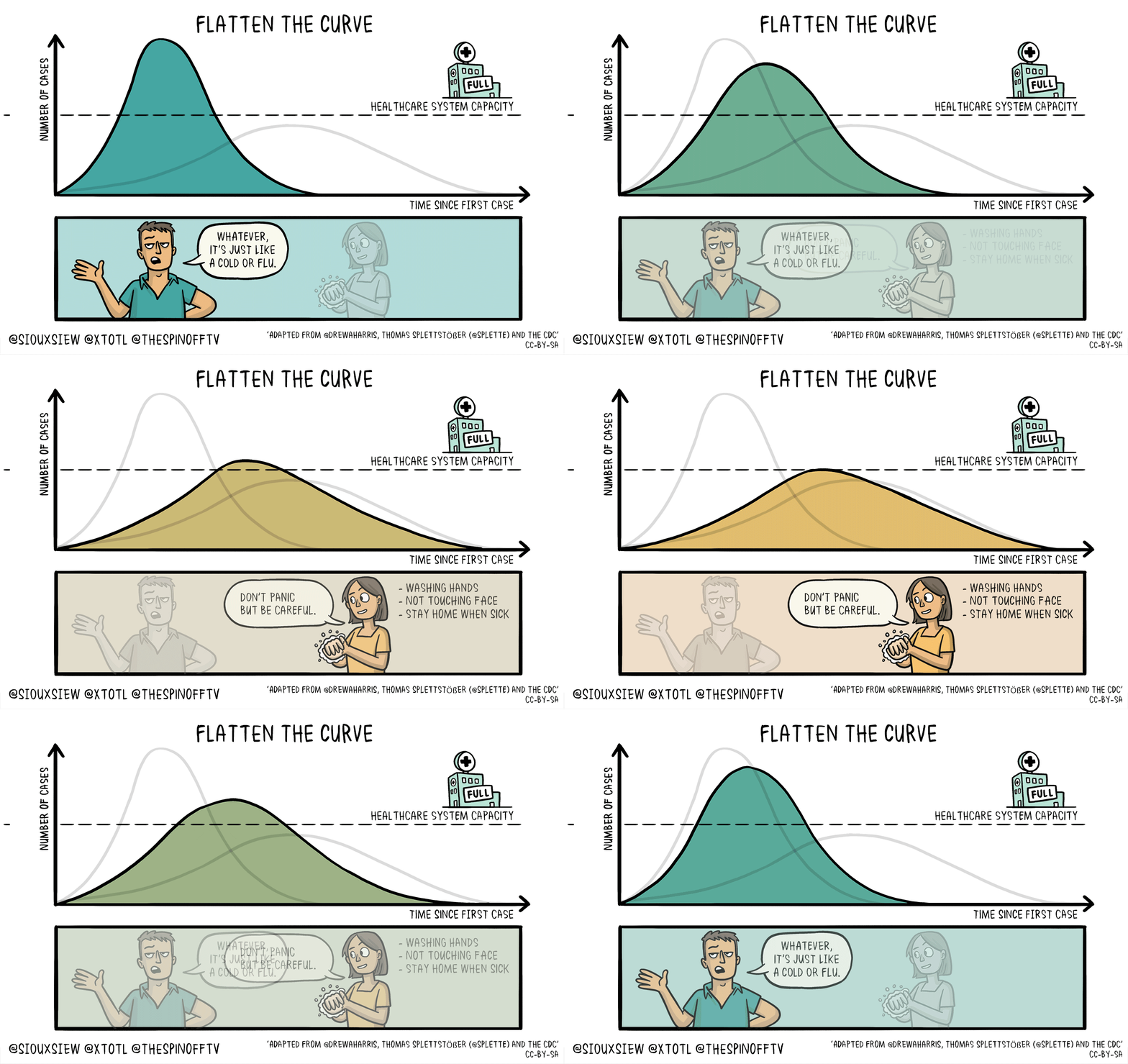
“Flattening the curve” by Siouxsie Wiles and Toby Morris licensed CC BY-SA.
Many open science advocates applaud these efforts to open access to scientific research on COVID-19, but they argue this is something we should’ve been doing all along. Michael Eisen, a biologist at UC Berkeley and editor of the open-access science journal eLife told WIRED, “Of course this should be the default for ALL science, not just COVID-19 science, and it should have been the default for the past 25 years. But I’m glad to see this happening now.”
On its website, Plan S argues that paywalls withhold a “substantial amount of research results from a large fraction of the scientific community and from society as a whole.” This, in turn, “hinders the scientific enterprise in its very foundations and hampers its uptake by society.” For example, researchers examining the 2014 Ebola outbreak in West Africa found that access to vital knowledge about the virus and the risk factors prior to the outbreak was inhibited by publisher paywalls. They wrote, “Although access to knowledge would not of itself have prevented or averted the Ebola epidemic, better-informed health officials might have taken timely preventive measures and been better equipped to mitigate risks during and after the outbreak.”
Now’s the time to implement and improve open access policies
For these reasons, Creative Commons (CC) has urged the adoption of open access policies by organizations and governments, such as UK Research and Innovation (UKRI). CC is preparing comments to inform UKRI’s consultation process on its proposed open access policy and will soon be sharing similar comments in response to the U.S. Federal Register’s request for information on “Public Access to Peer-Reviewed Scholarly Publications, Data, and Code Resulting From Federally Funded Research.”
CC Licenses have become the international standard in open licensing, and after supporting successful efforts in the creation, adoption, and implementation of open access policies with various governments and institutions, we continue to strongly advocate for open access for the benefit of researchers, industry and the general public. This includes making all information funded by international organizations or national governments available for the broadest reuse. Additionally, CC embraces efforts to clarify how fair use applies in these exceptional circumstances, such as the Public Statement of Library Copyright Specialists: Fair Use & Emergency Remote Teaching & Research. This resource was recently published by a group of expert copyright librarians from colleges and universities across the U.S., including the Massachusetts Institute of Technology.
Thanks to members of our community at CC Uruguay, CC Brazil, and CC Italy this article has been translated into Español, Português, and Italiana.
For guidance on implementing an open access policy or using the CC License Suite, please contact us at info@creativecommons.org—we’re here to help.
? Stop the spread of COVID-19 by taking these steps outlined by the WHO, including washing your hands for at least 20 seconds and social distancing.
The Unicode Standard Now Includes CC License Symbols
Last week, the Unicode Consortium released the latest version of the Unicode Standard—the universal character coding system used in computer processing (which includes the international emoji portfolio ?). We’re thrilled to announce that Creative Commons (CC) license symbols were included in this new release.
The latest Unicode Standard adds 5,930 characters, including 4 new scripts, 55 new emoji characters, and the following CC license symbols:
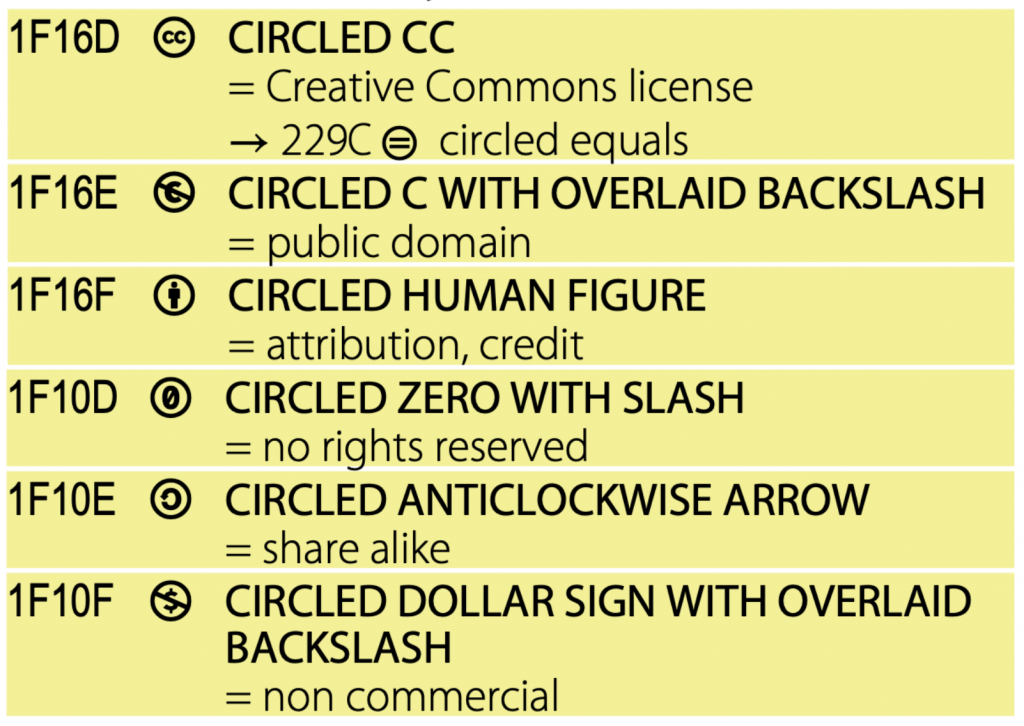
Graphic from Emojipedia. Read their great overview of the new Unicode release.
This is the result of years of hard work by several members of CC’s staff, including our former Director of Product and Research Jane Park who submitted our initial proposal in October 2016 and our second proposal in July 2017.
What is Unicode?
Unicode is the standard for encoding characters into text. Typical examples of encoded characters that we use every day are @, $, &, #, and %. Other examples are writing scripts, like Arabic (العربية) or Devanagari (देवनागरी). Due to the nature of the internet, more characters are created every day—like the mechanical arm emoji ?—so the Unicode Standard must be regularly updated.
Put simply, the Unicode Standard enables virtually all text-based editing platforms and tools (e.g. WordPress, Gmail, Twitter, etc.) to use the same characters and symbols.
Why we proposed adding CC license symbols to Unicode
Way back in 2017, we surveyed more than 700 people to understand how they marked their works with CC licenses. We found that more than half (62%) use the CC license icons or buttons, which must be downloaded from our website or made accessible via an external plugin (e.g. CC WordPress Plugin). However, many more (96%) said they would like to be able to place the CC license symbols directly in their text to indicate the particular CC license being applied—hence the need for our proposal.
Font developers—please be sure to include the CC symbols in your fonts! With the CC license symbols being added to the Unicode Standard, you can help make it much easier for people to mark their work with a CC license.
Announcing the CC Catalog API, Version 1.0
The Creative Commons Catalog Application Programming Interface (CC Catalog API) gives developers the ability to create custom applications that utilize CC Search, a rich collection of 330 million and counting openly licensed images. We have spent the last two years gathering this data from a diverse set of 28 sources, ranging from curated collections assembled by the Met Museum to user-generated content on Flickr.
Integrating the API into your application will give your users access to the largest collection of openly licensed images ever released on the internet.
While the API has been publicly available for some time now, the release of CC Catalog API, Version 1.0 marks a new milestone in the stability and reliability of the tool and a guarantee that we will not change the existing interface without ample warning and a long sunset period. It’s also important to note that the API is open source and the code is available under the MIT license on GitHub.
Applications of the CC Catalog API
One of the best ways to understand what capabilities can be enabled by the API is to look at already existing applications. For example, every time you visit CC Search and type something into the search box, your browser is talking directly to the API to fulfill your request!
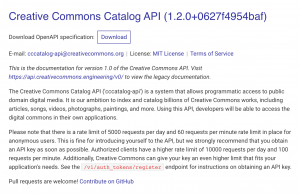 An exciting milestone for us was seeing Google Summer of Code participant Mayank Nader implement his excellent CC Search Browser Extension, which uses the API to put CC Search at your fingertips via your browser. Other community-built applications include the CC Search WordPress plugin by the Greek School Network and Curationist by the MHz Foundation.
We think there are ample opportunities to integrate the API into your own applications. For example, CC Search could be particularly useful for content management systems to help users find images they can use royalty-free. Another possible application is in image editing programs, which would give users easy access to images where derivative works are allowed.
How to use the CC Catalog API
The API is free to use and open to the public. Anybody can visit the API homepage and start making HTTP queries. Still, we strongly encourage you to follow the instructions for signing up for an API key, which will impose fewer restrictions on your use of the API and give us a way to increase your rate limit if needed. We may impose stricter rate limits on anonymous consumers in the future, but registered users will always have preferential access.
We’d love to hear any feedback you have about the API and about the applications you are building using it. Please email us at cccatalog-api@creativecommons.org.
Deprecation of the pre-release version of the API
If you have already started building on the API, that’s great! However, if you are making any calls without “v1” in the URL, you need to update your application to use the new version. Starting in July 2020, we will be sunsetting the pre-release version of the search API. The Version 1 release is largely compatible with the original pre-release version; see the release notes for a full list of breaking changes.
To stay up-to-date on the latest tech developments and resources, including new versions of the CC Catalog API, follow @cc_opensource on Twitter and visit the CC Open Source website!
As the nonprofit organization behind CC Search and the CC Catalog API, please consider donating to Creative Commons so that we can continue building the open access tools and platforms the world uses to share. Thank you!