After introducing the CC Italy Chapter to you in July, the CC Netherlands Chapter in August, CC Bangladesh Chapter in September, and CC Tanzania Chapter in October, we are now traveling to Asia again to introduce the CC India Chapter! The Creative Commons Global Network (CCGN) consists of 45 CC Country Chapters spread across the…
Over 300 million images are uploaded to Facebook a day. Yes, just Facebook. Once other social media and photo-sharing platforms like Flickr, Unsplash, Instagram, etc. are taken into account, that number quickly grows into the billions. A lot has changed since the dawn of photography in the 19th century—when Nicéphore Niépce (a.k.a. the “Father of…
In theory, publishing publicly funded television content under open licenses should be a no-brainer. As with publicly funded research, open licenses improve distribution, allow for remix creativity, and unlock access to popular free knowledge platforms such as Wikipedia. In practice, however, advocates of open licenses in the realm of public-service media face several hurdles, such…
You’ve heard the stories: engineers 3D printing face shields in their basements; do-it-yourself hobbyists sewing face masks; and fashion designers crafting personal protection gowns. Globally, people are trying to help fill the medical supply gap caused by the COVID-19 pandemic through open-source medical hardware. It’s a heartwarming display of global ingenuity, innovation, and collaboration. In this…
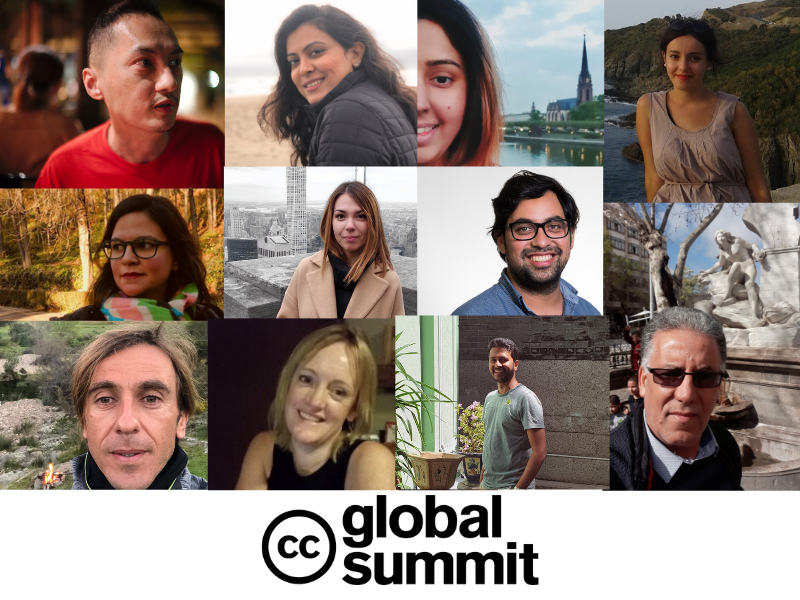
Every year, Creative Commons invites community members from around the world to join us at our Global Summit. It is crucial that we come together as a community, celebrate each other, light up the commons, and collaborate.
In the last year, #wocintechchat has provided Twitter chats, community dialogue, scholarships, and partnerships to provide more opportunities for women of color working in technology.
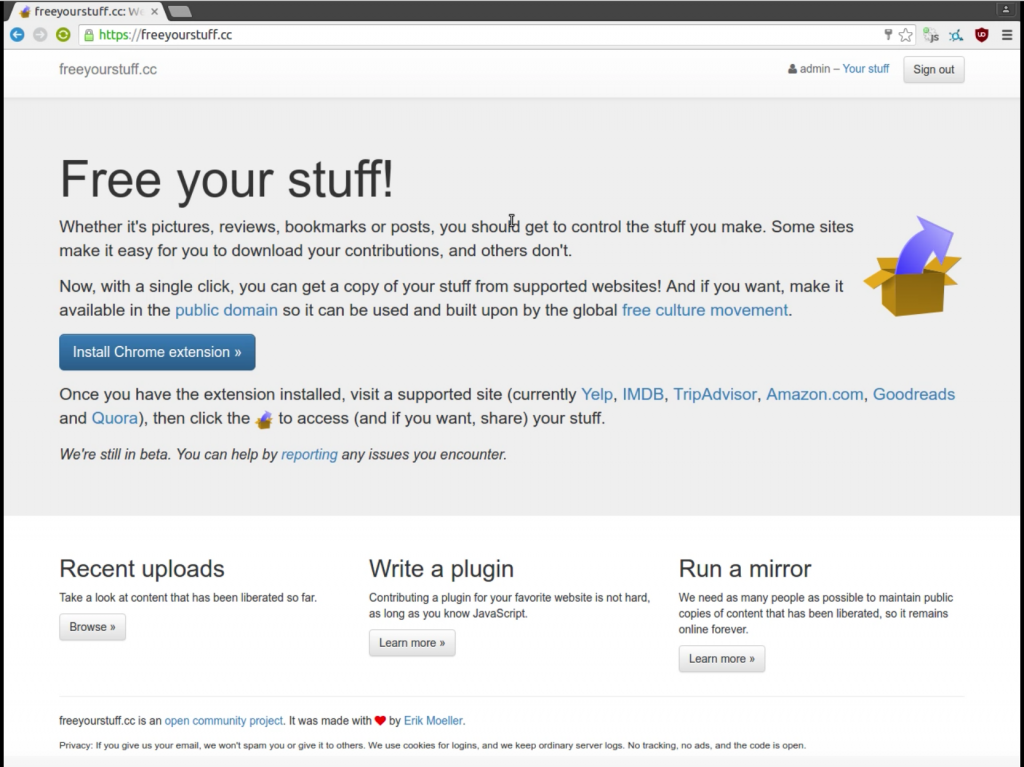
Thanks to the free culture movement, vast knowledge repositories like Wikipedia and StackExchange allow content to be re-used freely and built upon, and many major sites offer Creative Commons licensing as part of their user interfaces.
The delightfully quirky sewing site Make my Pattern.com is the work of self-proclaimed “sewcialist” Joost de Cock, a Belgian designer with a flair for fashion. When he started Make my Pattern, de Cock set out to solve a major issue for amateur sewers: patterns fit best when hand-drafted, but hand-drafting is inaccessible to most hobbyists.…