by
Sarah Hinchliff PearsonPolicy
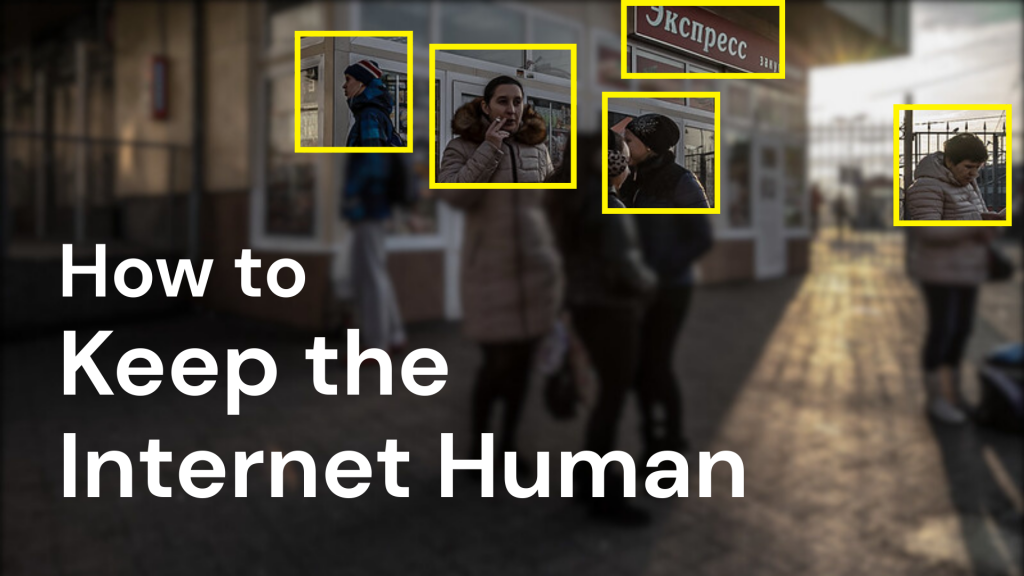
post Photo by Dmitry Ryzhkov, 2014, licensed with CC BY-NC-SA 2.0, Flickr, remixed by Creative Commons, 2026, CC BY 4.0.
I like to say I am a “writer who lawyers”. I begin here because I want to name my biases up front. I am a lawyer, but I come to this work first and foremost as a writer thinking about the conditions that will allow us to continue to share knowledge publicly. And in spite of—or perhaps because of—the fact that I am a lawyer, I have a healthy skepticism about the power of legal terms and conditions. The law will play a role, but the challenge of keeping the internet human will ultimately be navigated by the stories we imagine and tell. We need new stories.
In 2026, Creative Commons will continue to ensure that technological change strengthens, not erodes, the commons and improves the acts of sharing and access that are part of our everyday lives. We do this by applying first principles, practical strategies, and lessons learned from decades of advancing the commons. Sharing of research, educational materials, heritage, and creative works are acts of generosity—these are the gifts people give to the commons. Access to these same shared resources enables collaboration, innovation, and understanding. Together, this is how we improve access to knowledge and build a more equitable future.
At Creative Commons, we’ve long believed that binary systems rarely reflect the complexity of the real world—nor do they serve the commons very well. The internet, like the communities that built it, thrives on nuance, experimentation, and shared stewardship. That’s why we’re continuously working to introduce choice where there has been little, and to advocate for systems that acknowledge the diversity of values and needs across the web.
by
Brigitte Vézina,
Dee HarrisOpen Culture
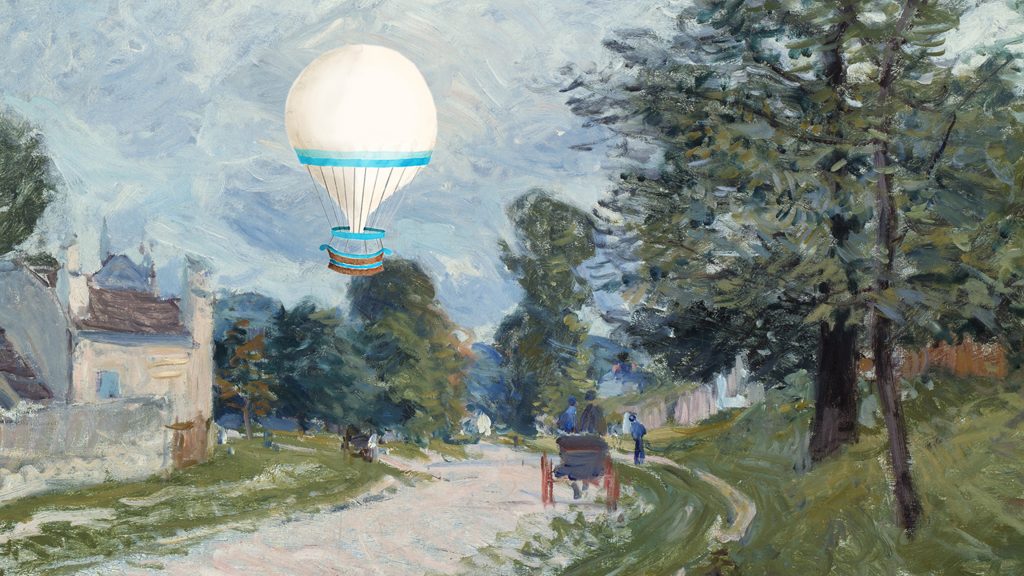
post "A Turn in the Road" by Alfred Sisley (1873), CC0, Art Institute of Chicago, remixed with "TAROCH balloon" by Creative Commons/Dee Harris, 2025, CC0.
“A Turn in the Road” by Alfred Sisley (1873), CC0, Art Institute of Chicago, remixed with “TAROCH balloon” by Creative Commons/Dee Harris, 2025, CC0. The (Under-Realized) Potential of Open Heritage To understand our present, we need to know our past: our memories, our history, our heritage. Over the last two decades, pioneers of open heritage…
Last updated June 12, 2025 Our Commitment Creative Commons (CC) is an organization and global community that champions openness, sharing, and creativity. We are committed to fostering a safe, inclusive, respectful, and harassment-free environment for everyone—regardless of age, ability, disability status, ethnicity, gender identity and expression, level of experience, nationality, personal appearance, race, religion, or…
The application of copyright law to AI training is complex. Around the world, there are varying exceptions and limitations to copyright that permit AI training. Jurisdictions also often consider the specific uses of the copyrighted work within AI training and outputs. *Reminder* CC licenses are copyright licenses. That means that applying CC licenses to AI…
Reciprocal Roof (Shed) by Ziggy Liloia is licensed under CC BY-NC 2.0 A lot has changed in the past few years, and it is high time for Creative Commons (CC) to be louder about our values. Underpinning our recently released strategic plan is a renewed call for reciprocity. Neutrality serves only the status quo and…