by
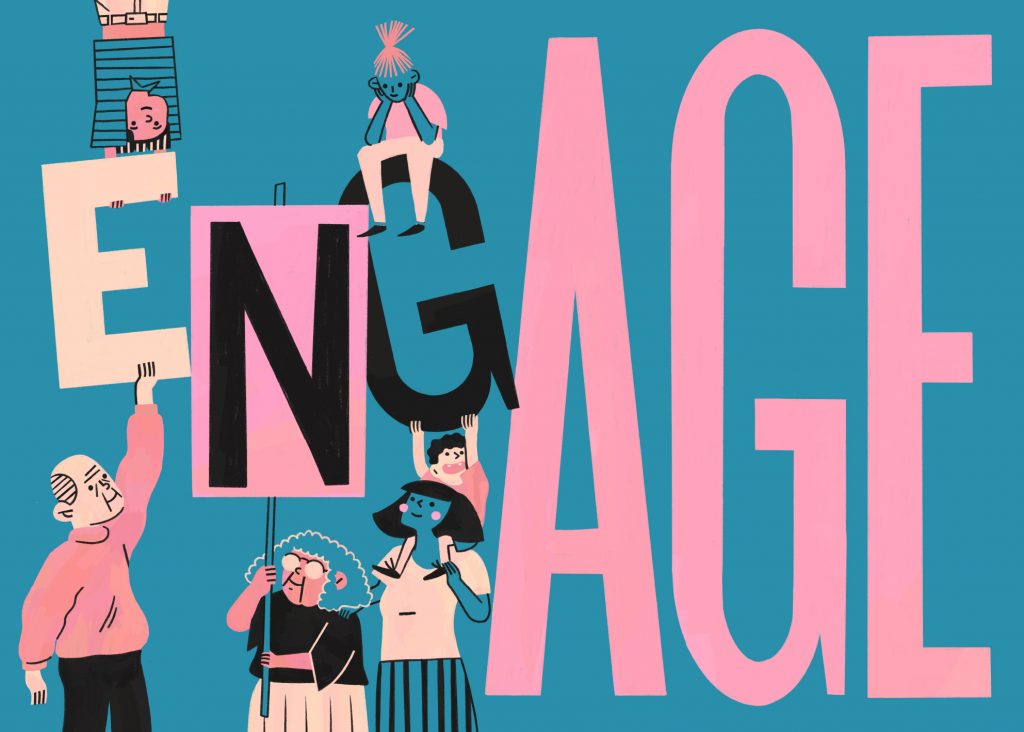
Jocelyn MiyaraCommunityWork by Teo Georgiev for CoGenerate x Fine Acts, licensed with CC-BY-NC-SA 4.0
Over the past year, Creative Commons communities around the world have continued to show what’s possible when people come together around shared values of openness, collaboration, and care. In 2025 we were focused on gathering feedback on our ongoing preference signals explorations, creating and gathering feedback on new governance frameworks for future implementation, streamlining community communication channels, and transitioning to an open source chat platform for community collaboration.
by
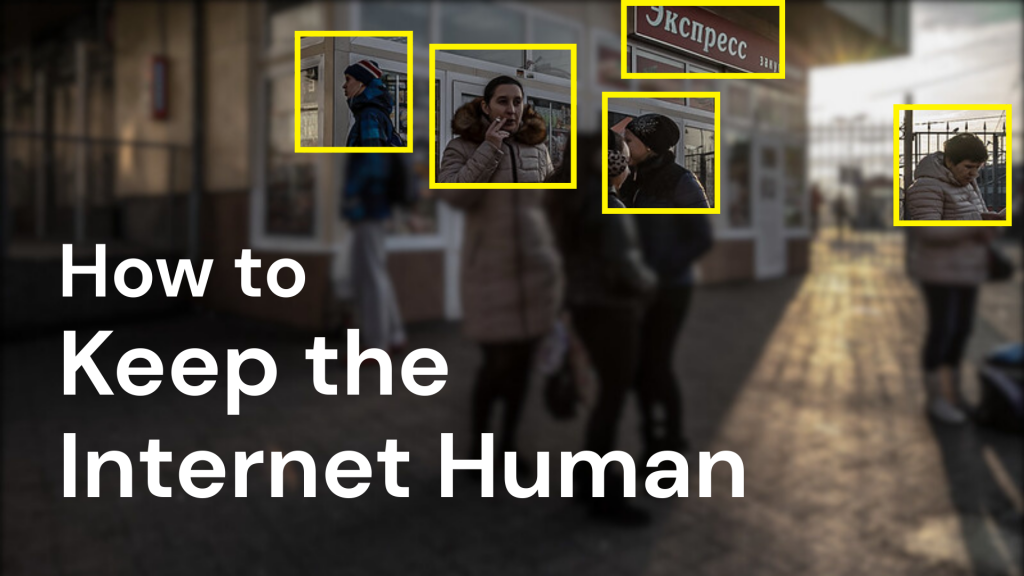
Sarah Hinchliff PearsonPolicyPhoto by Dmitry Ryzhkov, 2014, licensed with CC BY-NC-SA 2.0, Flickr, remixed by Creative Commons, 2026, CC BY 4.0.
I like to say I am a “writer who lawyers”. I begin here because I want to name my biases up front. I am a lawyer, but I come to this work first and foremost as a writer thinking about the conditions that will allow us to continue to share knowledge publicly. And in spite of—or perhaps because of—the fact that I am a lawyer, I have a healthy skepticism about the power of legal terms and conditions. The law will play a role, but the challenge of keeping the internet human will ultimately be navigated by the stories we imagine and tell. We need new stories.
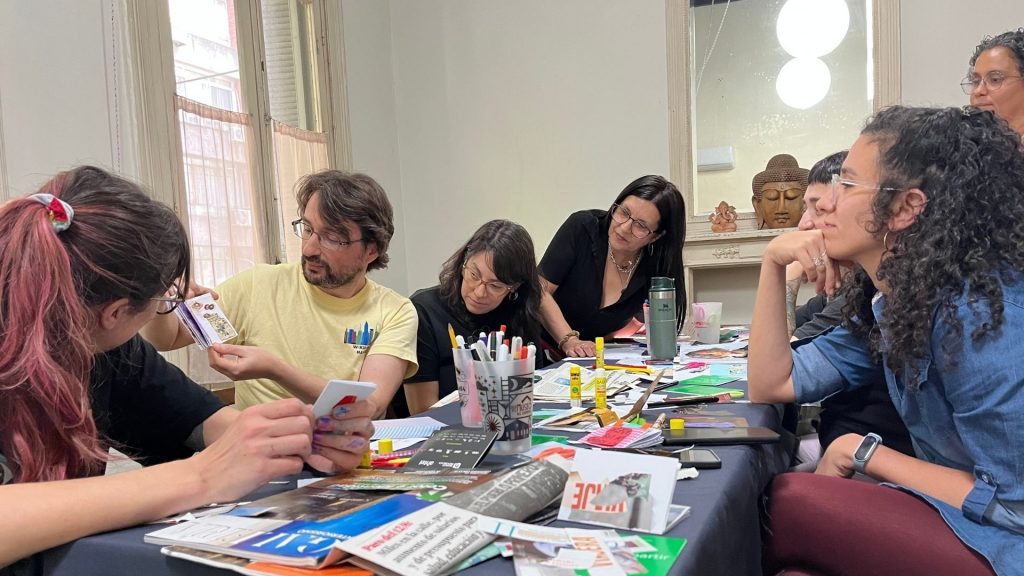
In November 2025, we had the privilege of supporting and participating in Semana de la Cultura Libre (Open Culture Week) in Montevideo, Uruguay: a week-long celebration of open culture organized by CC Uruguay. Through panels, workshops, concerts, and conversations, the week offered a powerful reminder that free culture is not an abstract idea but a living practice shaped by local communities, histories, and needs.
This month, CC will be represented at the AI Impact Summit in Delhi, an international gathering shaping the future of AI policy and practice. The 2026 Summit follows the AI Action Summit in Paris in February 2025, where CC underscored a simple but essential truth: without civil society, there can be no public interest.
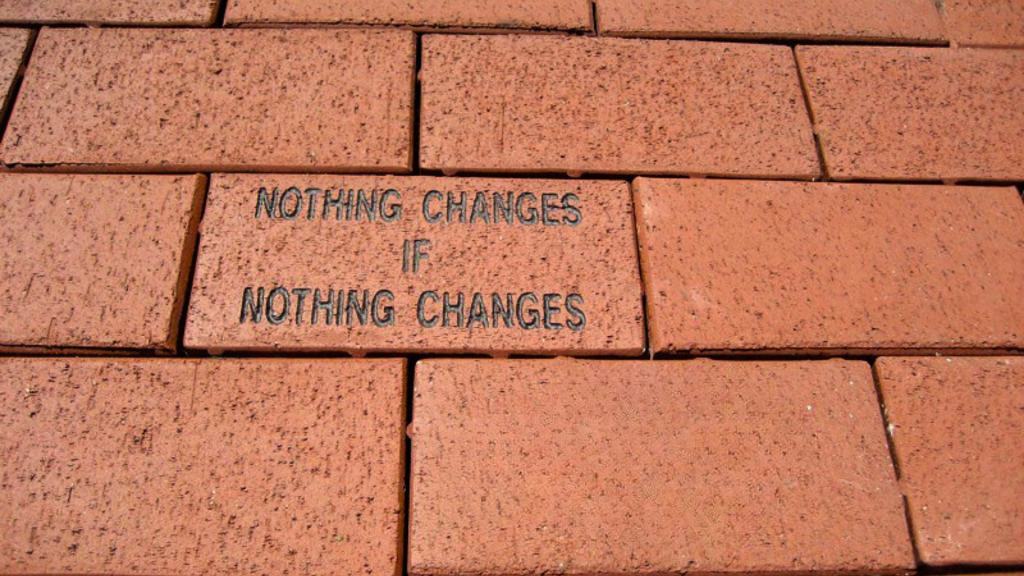
In 2026, Creative Commons will continue to ensure that technological change strengthens, not erodes, the commons and improves the acts of sharing and access that are part of our everyday lives. We do this by applying first principles, practical strategies, and lessons learned from decades of advancing the commons. Sharing of research, educational materials, heritage, and creative works are acts of generosity—these are the gifts people give to the commons. Access to these same shared resources enables collaboration, innovation, and understanding. Together, this is how we improve access to knowledge and build a more equitable future.