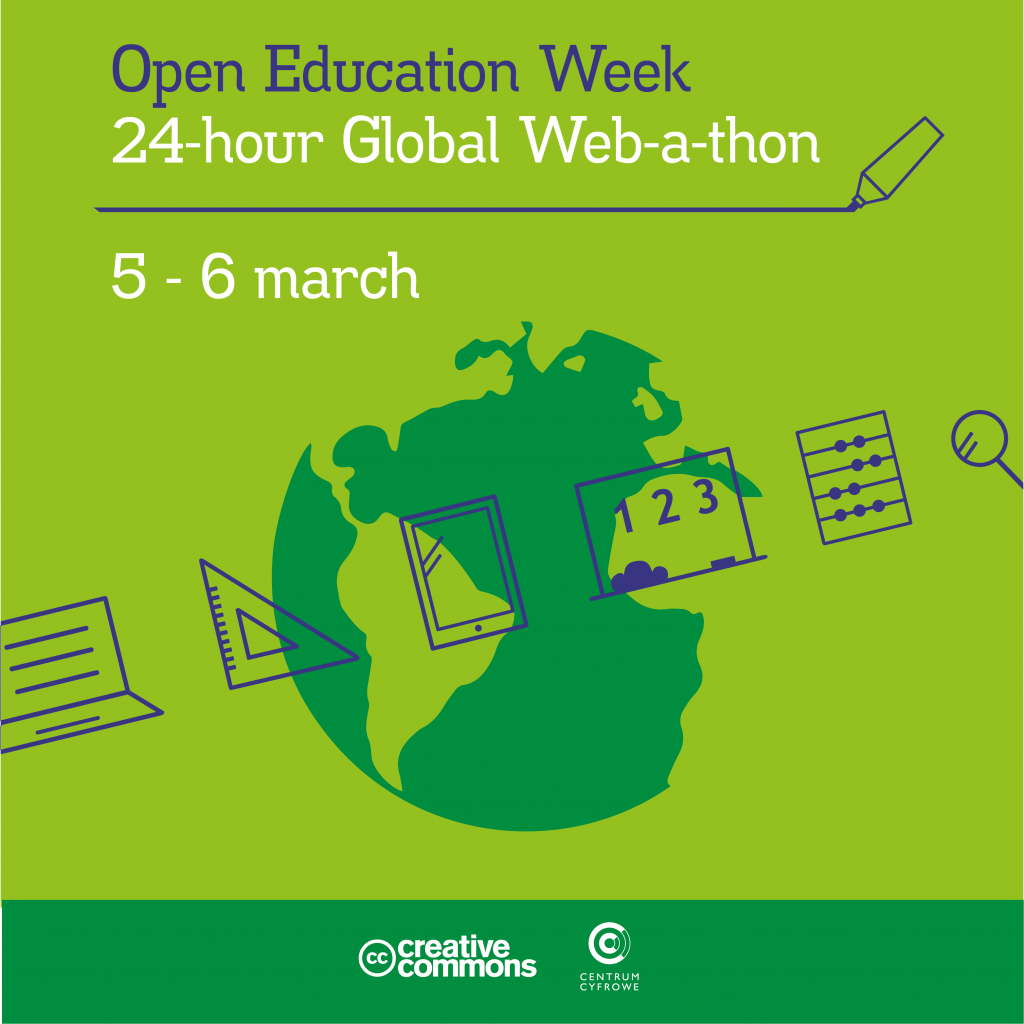
Open Education Week is an annual convening of the global open education movement to share ideas, new open education projects, and to raise awareness about open education and its impact on teaching and learning worldwide.
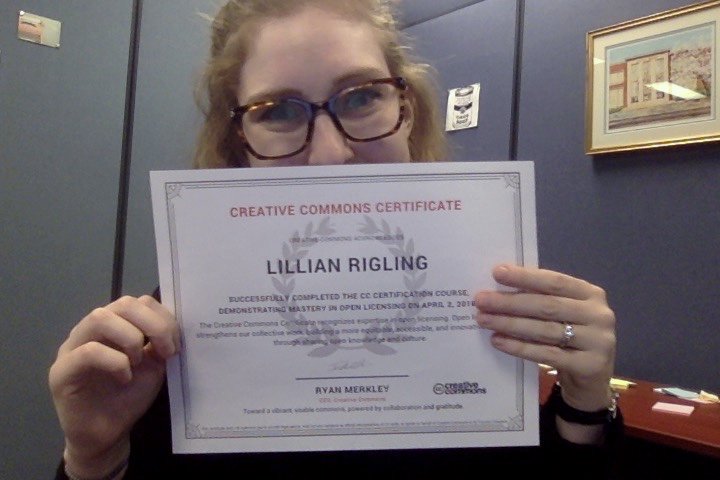
12/6/18 UPDATE: January 2019 courses have only seven tickets left! Background: The CC Certificate provides an-in depth study of Creative Commons licenses and open practices, developing participants’ open licensing proficiency and understanding of the broader context for open advocacy. The course content targets copyright law, CC legal tools, values and recommended practices of working…
Creative Commons (CC) has asked a U.S. appeals court for permission to file an amicus brief in a lawsuit brought by Great Minds against Office Depot, to aid the court in its proper interpretation of the CC BY-NC-SA 4.0 license.
While the EU copyright reform teeters on the edge of turning into a complete disaster, last week the European Commission published a proposal for a revision of the Directive on the reuse of public sector information (PSI Directive), and a recommendation on access to and preservation of scientific information. Both of these documents are…
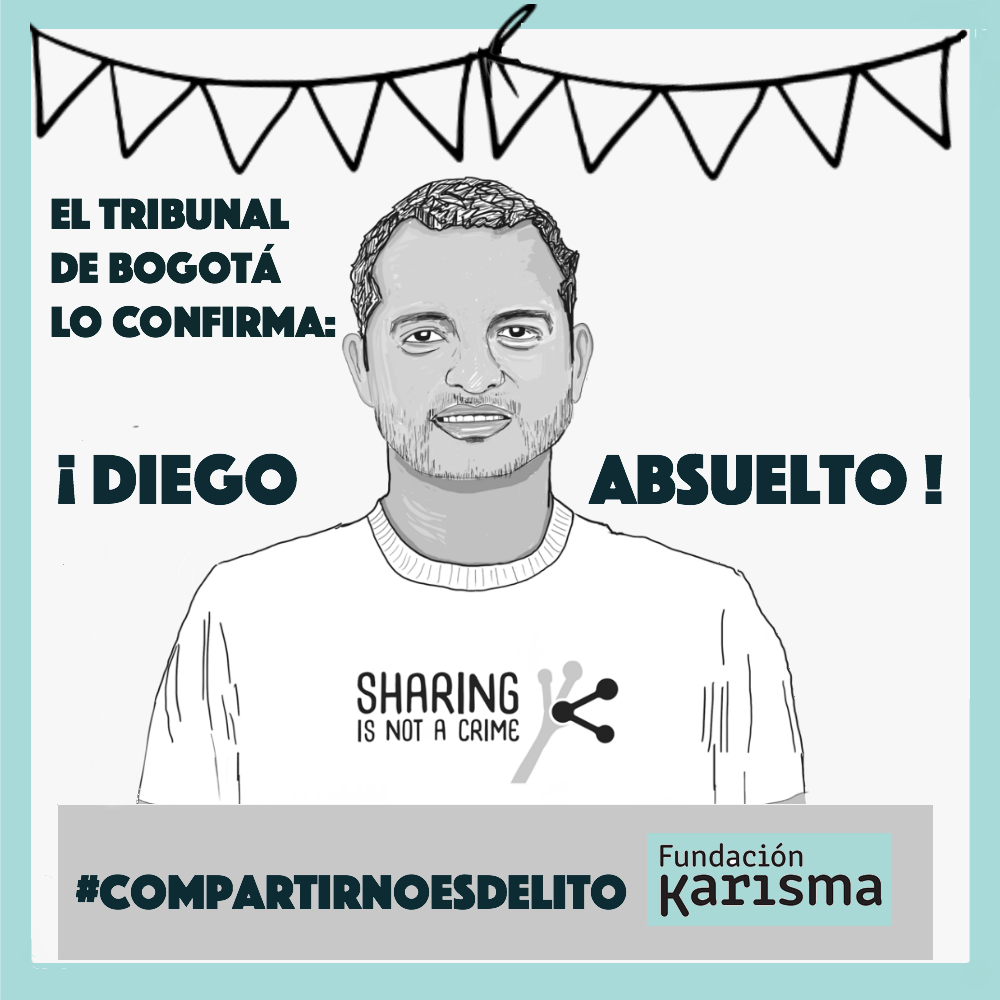
In December Diego Gómez was finally cleared of the criminal charges levied against him for sharing an academic research paper on the internet. The Tribunal de Bogotá—the Colombian appellate court—affirmed the lower court’s acquittal. Gómez is a scientist from Colombia who had been criminally prosecuted for the last three years for sharing an academic paper…
Yesterday we learned that the Tribunal de Bogotá—the Colombian appellate court—has affirmed the lower court’s acquittal of Diego Gómez. Gómez is a scientist from Colombia who has been criminally prosecuted for the last three years for sharing an academic paper online. When Diego was a student in conservation biology in Colombia, he had poor access…
Education is a fundamental human right and essential for the exercise of all other human rights. Because we can share digital open educational resources (OER) for near $0, I believe we have a moral and ethical obligation to do so.